3kW Solar System Price in Pakistan
Updated 2 August 2026 · By SolarNevs Research Desk, Dealer surveys + verified sources · 3 sources · Method ↗
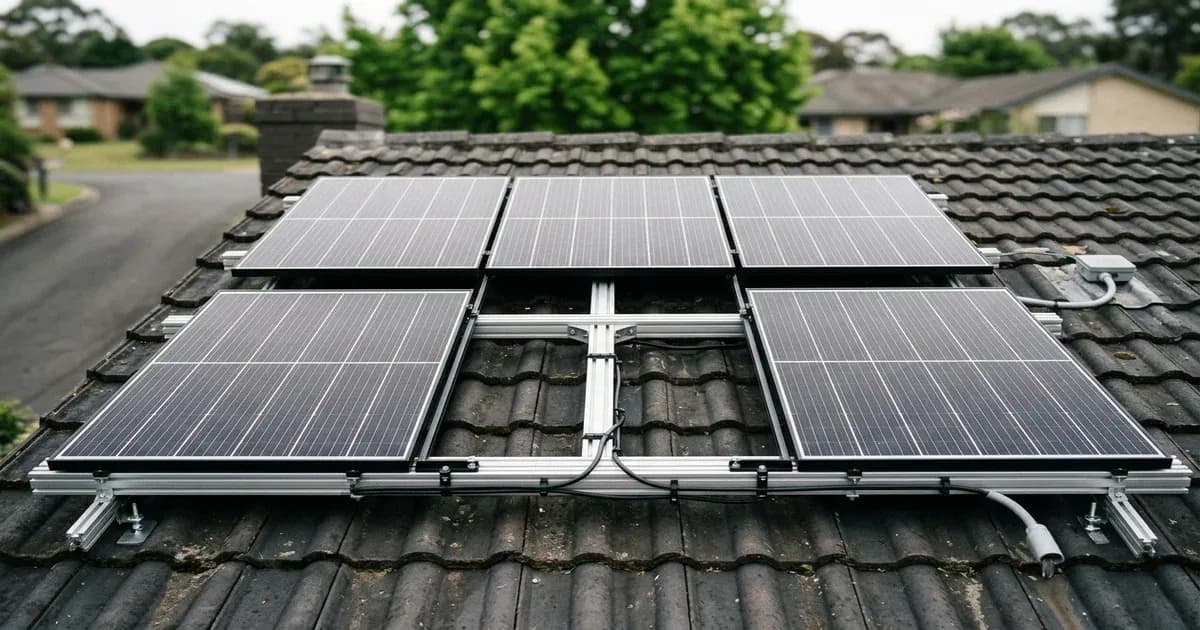
3kW Solar System Price in Pakistan
{/* visual_plan. stat_block */}
Key Takeaways
- A 3kW on-grid solar system costs around Rs 380,000 (July 2026) in Pakistani markets.
- A 3kW hybrid solar system with battery backup ranges from Rs 480,000 to Rs 580,000 (July 2026).
- The system generates between 350 and 400 kWh units per month, reducing grid bills significantly.
- It requires 5 to 6 high-efficiency panels of 550W or 585W capacity.
- Payback period averages 3.0 to 3.5 years under standard utility tariffs.
What is the price of a 3kW solar system in Pakistan today?
The price of a complete 3kW solar system in Pakistan ranges from Rs 380,000 (July 2026) for basic on-grid setups to Rs 580,000 (July 2026) for hybrid configurations. System pricing depends on panel efficiency, inverter brand, and battery backup storage capacity.
On-grid systems connect directly to the DISCO network without batteries, offering the lowest initial installation expense. Hybrid systems include battery storage to keep household lights and fans operational during utility load shedding. The table below lists average market prices for component categories.
System Type | Inverter Capacity | Panel Rating | Battery Option | Estimated Cost |
|---|---|---|---|---|
3kW On-Grid | 3kW String Inverter | 5x 585W TOPCon | None | Rs 380,000 (July 2026) |
3kW Hybrid (Tubular) | 3.6kW Hybrid Inverter | 5x 585W TOPCon | 2x 200Ah Tubular | Rs 480,000 (July 2026) |
3kW Hybrid (Lithium) | 3.6kW Hybrid Inverter | 6x 550W TOPCon | 2.5kWh LiFePO4 | Rs 580,000 (July 2026) |
Component costs account for panels, hybrid inverters, mounting structures, AC/DC protection boxes, distribution breakers, copper cabling, and technician labor.
What household appliances can a 3kW solar system run?
A 3kW solar system generates enough electrical power to cover the daily lighting, entertainment, and basic refrigeration demands of a small family home. During daylight hours, direct solar power supports multiple appliances simultaneously without grid power consumption.
The system handles one 1HP water pump, one medium refrigerator, five LED lights, four ceiling fans, a LED television, and laptop chargers. If managed carefully, a 3kW system can also run a single 1-ton or 1.5-ton inverter AC during peak solar daylight hours between 11 AM and 3 PM.
Homeowners should avoid running high-wattage resistive heating equipment like iron presses or water geysers at the same time as the air conditioner. Staggering heavy loads prevents inverter overload trips and protects battery lifespans.
How many panels and what inverter are required for a 3kW system?
Setting up a 3kW solar system requires 5 or 6 solar modules rated between 550W and 585W. Modern N-type TOPCon panels supply higher generation per square foot than legacy polycrystalline modules, reducing total roof footprint.
The system needs approximately 150 to 200 square feet of unshaded roof space. Installers mount these modules on galvanized steel structures tilted southward at an angle of 25 to 30 degrees for optimal annual solar capture.
The inverter serves as the core processing unit. A 3.6kW hybrid inverter accepts solar DC power, charges connected batteries, and converts power into 230V AC for home distribution. Popular inverter models from Inverex, Knox, Growatt, and Solis feature built-in maximum power point tracking to maximize daily power yields.
How does net billing impact 3kW solar payback in 2026?
The NEPRA net billing policy sets the export purchase rate for excess prosumer energy at Rs 11 (July 2026) per unit. Utility grid import rates range between Rs 50 and Rs 65 (July 2026) per kWh across higher consumption slabs.
This price difference means self-consuming generated solar energy yields greater financial returns than exporting excess power. By using solar power directly for daytime household loads, homeowners avoid buying expensive grid electricity.
A 3kW system producing 380 units monthly delivers bill savings of approximately Rs 15,000 to Rs 18,000 (July 2026) per month. With total installation costs of Rs 480,000 (July 2026), the financial return achieves full system payback within 3.0 to 3.5 years.
What battery options suit a 3kW hybrid solar system?
Choosing the right battery option depends on load shedding duration and upfront budget limits. Homeowners select between traditional flooded tubular batteries and modern lithium iron phosphate energy storage units.
Tubular batteries, such as 200Ah models, require low initial investment. A pair of tubular batteries costs around Rs 110,000 (July 2026). However, tubular batteries require regular distilled water refills and last about 3 years under daily cycling.
Lithium LiFePO4 battery packs demand higher initial investment, costing around Rs 210,000 (July 2026) for a 2.5kWh unit. Lithium storage offers over 4,000 charge cycles, zero maintenance requirements, 90% depth of discharge capability, and superior thermal resistance in hot summers.
Frequently Asked Questions
What is the price of a 3kW solar system in Pakistan today?
A 3kW on-grid solar system costs approximately Rs 380,000 (July 2026), while a 3kW hybrid system with battery backup ranges between Rs 480,000 and Rs 580,000 (July 2026).
How many units does a 3kW solar system generate per month?
A standard 3kW system produces approximately 350 to 400 kWh units per month in Pakistan, depending on seasonal sun hours and panel angle.
Can a 3kW solar system run a 1.5-ton inverter AC?
A 3kW system can support a 1-ton or 1.5-ton inverter AC during peak daytime solar hours if other heavy household loads like water pumps are turned off.
References
Frequently asked questions
What is the price of a 3kW solar system in Pakistan today?
A 3kW on-grid solar system costs approximately Rs 380,000 (July 2026), while a 3kW hybrid system with battery backup ranges between Rs 480,000 and Rs 580,000 (July 2026).
How many units does a 3kW solar system generate per month?
A standard 3kW system produces approximately 350 to 400 kWh units per month in Pakistan, depending on seasonal sun hours and panel angle.
Can a 3kW solar system run a 1.5-ton inverter AC?
A 3kW system can support a 1-ton or 1.5-ton inverter AC during peak daytime solar hours if other heavy household loads like water pumps are turned off.
References
- Solar Citizen — accessed 25 July 2026
- W11Stop — accessed 25 July 2026
- NEPRA — accessed 25 July 2026
Related guides
More from sizing, net billing & installation.