Battery Life in Pakistan - Heat, DoD, and the 2-3 Year E-Bike Battery
Updated 2 August 2026 · By SolarNevs Research Desk, Dealer surveys + verified sources · 4 sources · Method ↗
Battery Life in Pakistan - Heat, DoD, and the 2-3 Year E-Bike Battery Problem
{/* visual_plan. stat_block */}
Key Takeaways
- Ambient heat exceeding 40 degrees Celsius doubles chemical degradation rates in unconditioned battery enclosures.
- Discharging batteries to 100% state of charge repeatedly cuts cycle life by more than half.
- Cheap e-bikes using unrated NMC pouch cells fail within 2 to 3 years, costing Rs 95,000 (July 2026) for replacements.
- LiFePO4 solar batteries with smart BMS temperature throttling deliver 12+ years of reliable service.
Why do batteries degrade faster in Pakistani climatic conditions?
Battery performance and operational life are heavily dictated by ambient environmental conditions. In Pakistan, summer ambient temperatures in cities like Multan, Shibai, and Lahore regularly top 42 degrees Celsius, while closed battery storage rooms can reach 50 degrees Celsius.
Chemical reactions inside battery cells follow the Arrhenius rate law. This fundamental physical principle states that chemical reaction rates double for every 10 degree Celsius increase in temperature above standard testing conditions (25 degrees Celsius).
At 45 degrees Celsius operating temperature, parasitic chemical reactions between the electrolyte and electrode materials occur four times faster than at room temperature. This leads to accelerated solid-electrolyte interphase (SEI) layer growth, internal resistance rise, and rapid capacity loss.
Why do cheap e-bike batteries die after 2 to 3 years of use?
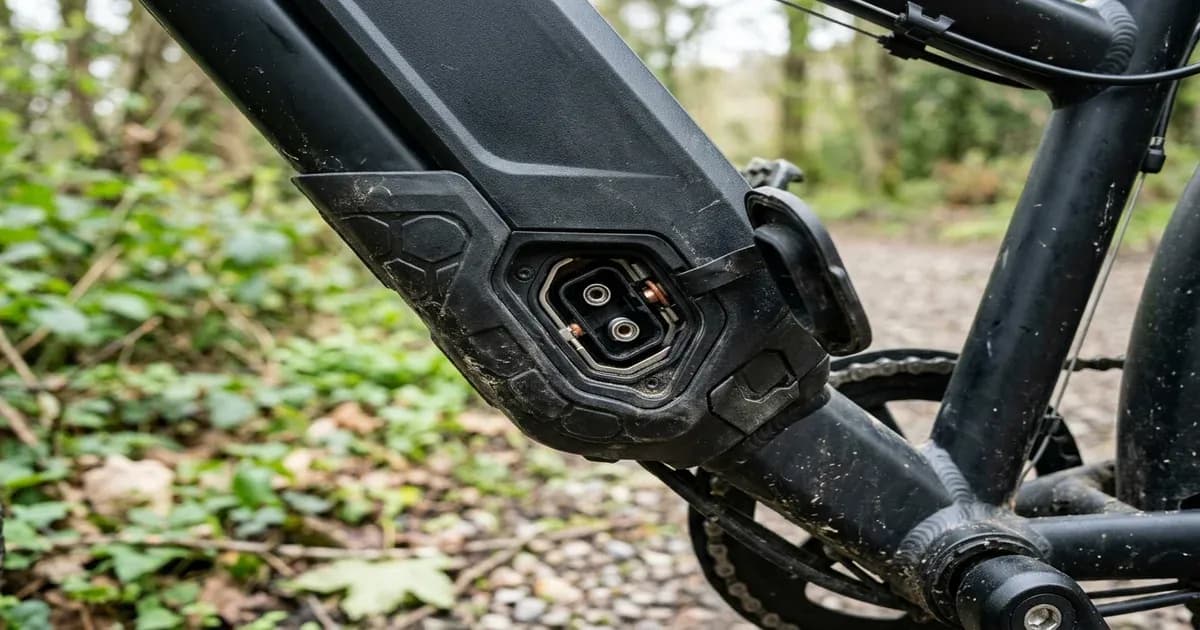
The rapid growth of electric two-wheelers in Pakistan has exposed widespread battery longevity problems. Most budget e-bikes sell with low-cost 60V 20Ah battery packs using NMC pouch cells or second-life cylindrical cells.
These e-bike batteries face severe operating stresses. Riders drain the battery completely down to 0% charge (100% DoD) on long daily commutes. Charging the hot battery immediately after riding under direct afternoon sun causes severe thermal stress.
Without active liquid cooling or smart BMS thermal cutoffs, these packs suffer rapid lithium plating and cell swelling. After 500 to 700 cycles (roughly 2 to 3 years), capacity drops below 50%, forcing owners to spend Rs 95,000 (July 2026) on a replacement pack.
How does Depth of Discharge (DoD) impact battery cycle life?
Depth of Discharge measures the percentage of total battery capacity extracted during a discharge cycle. Operating habits directly govern how many total cycles a battery delivers before end of life.
Discharging a LiFePO4 battery to 100% DoD every day yields roughly 3,000 total cycles. Restricting discharge to 80% DoD increases cycle life to 6,000 cycles, doubling operational lifespan for a modest 20% reduction in daily usable energy.
The table below illustrates the relationship between DoD, cycle life, and total delivered energy for a 5.12 kWh LiFePO4 battery costing Rs 380,000 (July 2026).
Depth of Discharge (DoD) | Usable Energy per Cycle | Expected Cycle Life | Total Lifetime Energy Delivered |
|---|---|---|---|
100% DoD | 5.12 kWh | 3,000 Cycles | 15,360 kWh |
80% DoD | 4.10 kWh | 6,000 Cycles | 24,600 kWh |
50% DoD | 2.56 kWh | 10,000 Cycles | 25,600 kWh |
30% DoD | 1.53 kWh | 15,000 Cycles | 22,950 kWh |
What design choices protect LiFePO4 solar batteries from heat damage?
Unlike budget e-bike batteries, quality residential LiFePO4 batteries incorporate multiple engineering safeguards to withstand Pakistani summer heat.
First, premium solar storage packs use heavy aluminum-cased prismatic cells rather than fragile pouch cells. Aluminum casings conduct heat away from active cell materials efficiently.
Second, intelligent BMS software monitors cell temperatures through multiple NTC thermistors. When internal cell temperatures exceed 45 degrees Celsius, the BMS automatically throttles charge and discharge current limits to prevent thermal degradation.
What practical steps extend your solar battery lifespan?
Homeowners can adopt simple operational practices to maximize solar battery longevity. Install battery packs in well-ventilated indoor locations or shaded utility closets away from direct sunlight.
Configure your hybrid inverter to cap maximum Depth of Discharge at 80% (leaving a 20% reserve state of charge). This small setting change extends battery life from 8 years to over 15 years.
verify battery cables are sized correctly (35mm2 or 50mm2 copper) to prevent cable heating from adding thermal stress to battery terminals. Periodically clean dust from battery cooling vents to maintain unimpeded airflow.
Frequently Asked Questions
Why do cheap e-bike batteries fail within 2 to 3 years in Pakistan?
E-bike batteries fail rapidly due to extreme summer heat (above 40 degrees Celsius), 100% depth of discharge habits, and low-grade NMC pouch cells without thermal BMS management.
How does ambient heat affect lithium battery degradation?
According to the Arrhenius reaction rate principle, chemical degradation rates inside battery cells double for every 10 degree Celsius rise above 25 degrees Celsius.
What depth of discharge is recommended for longest battery life?
Maintaining depth of discharge at 80% for LiFePO4 batteries (or 50% for tubular lead-acid) extends operational life by up to 50%.
References
Frequently asked questions
Why do cheap e-bike batteries fail within 2 to 3 years in Pakistan?
E-bike batteries fail rapidly due to extreme summer heat (above 40 degrees Celsius), 100% depth of discharge habits, and low-grade NMC pouch cells without thermal BMS management.
How does ambient heat affect lithium battery degradation?
According to the Arrhenius reaction rate principle, chemical degradation rates inside battery cells double for every 10 degree Celsius rise above 25 degrees Celsius.
What depth of discharge is recommended for longest battery life?
Maintaining depth of discharge at 80% for LiFePO4 batteries (or 50% for tubular lead-acid) extends operational life by up to 50%.
References
- Solar Citizen — accessed 25 July 2026
- W11Stop — accessed 25 July 2026
- NEPRA — accessed 25 July 2026
- FBR — accessed 25 July 2026
Related guides
More from what to buy — and how not to get cheated.