Western Australia Synergy DEBS Solar and Battery Tariff Guide
Updated 19 September 2026 · By SolarNevs Research Desk, Dealer surveys + verified sources · 1 source · Method ↗
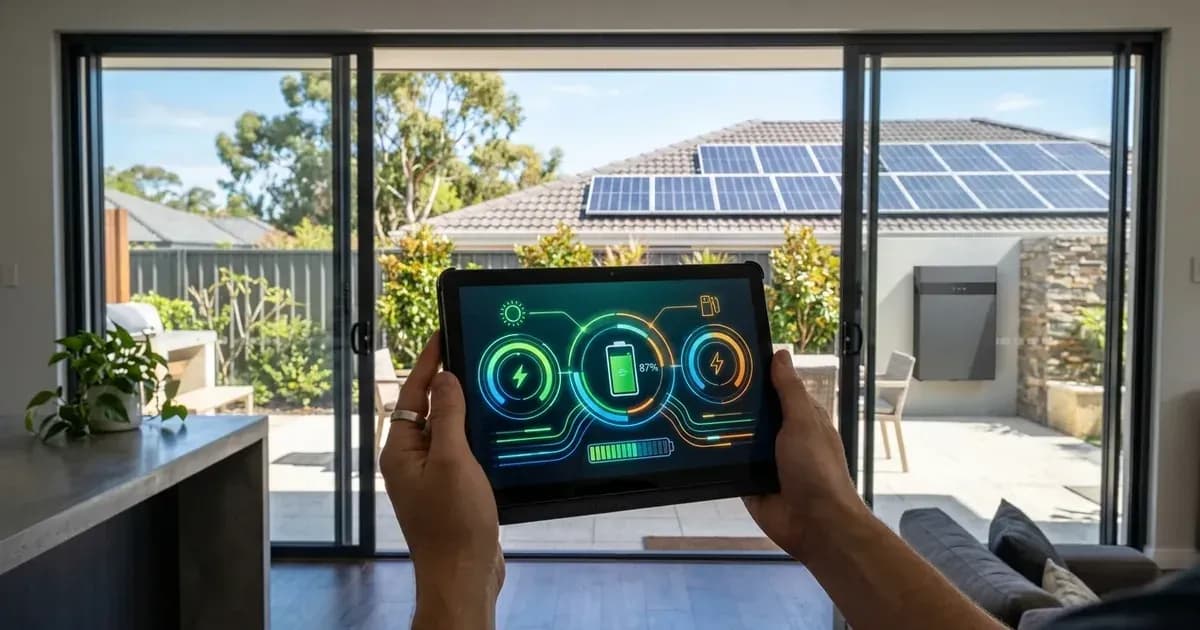
Key Takeaways
- Synergy provides time-of-export feed-in rates where Electricity exported between 3pm to 9pm earns 10 cents per kilowatt-hour (kWh);.
- Daytime generation receives lower baseline compensation: Electricity exported between 9pm and 3pm earns 2 cents per kilowatt-hour (kWh)..
- Retailers provide buyback payment for 50 units (kWh) per day per premises (which is more than a 5kW solar PV system would be expected to generate on any given day)..
- Sizing regulations mandate that For a renewable energy system to be eligible for DEBS, it must have a generating capacity of between 500W and 5kW..
- In regional WA, Off-peak rates: Electricity exported between 9pm and 3pm earns 3 cents per kilowatt-hour (kWh)..
The Structure of Western Australia's DEBS Tariff
The Distributed Energy Buyback Scheme (DEBS) is the official Western Australian Government framework governing electricity export payments for residential and non-profit customers connected to the SWIS.
Administered by state-owned retailer Synergy, the scheme replaced legacy net metering programs: as of 8 September 2020, DEBS replaced the previous Renewable Energy Buyback Scheme (REBS) for new and upgraded distributed energy installations.
DEBS introduces time-of-use pricing designed to encourage self-consumption during peak midday solar generation and reward evening battery exports when wholesale system demand peaks:
- Evening Peak Window: Electricity exported between 3pm to 9pm earns 10 cents per kilowatt-hour (kWh);.
- Overnight and Midday Off-Peak: Electricity exported between 9pm and 3pm earns 2 cents per kilowatt-hour (kWh)..
- Regional Networks: For remote grids, Off-peak rates: Electricity exported between 9pm and 3pm earns 3 cents per kilowatt-hour (kWh)..
Tariff Component | Statutory Rate & Threshold | Governing Authority |
|---|---|---|
Peak Export Value | Electricity exported between 3pm to 9pm earns 10 cents per kilowatt-hour (kWh); | Energy Policy WA / Synergy |
Off-Peak Export Value | Electricity exported between 9pm and 3pm earns 2 cents per kilowatt-hour (kWh). | Energy Policy WA / Synergy |
Regional Off-Peak Value | Off-peak rates: Electricity exported between 9pm and 3pm earns 3 cents per kilowatt-hour (kWh). | Energy Policy WA / Horizon Power |
Daily Export Volume Cap | buyback payment for 50 units (kWh) per day per premises (which is more than a 5kW solar PV system would be expected to generate on any given day). | Energy Policy WA |
Generation Capacity Range | For a renewable energy system to be eligible for DEBS, it must have a generating capacity of between 500W and 5kW. | Energy Policy WA |
Oversizing Standard Rule | The state is investing in batteries, including the Big Battery in Kwinana and 13 PowerBank community batteries;. | Energy Policy WA |
Residential Consumption Limit | a residential customer who consumes not more than 50MWh of electricity per annum; or | Electricity Industry Regulations |
System Sizing Rules and Battery Integration
DEBS accommodates standard residential rooftop solar configurations and encourages household battery storage integration:
- System Inverter Capacity: For a renewable energy system to be eligible for DEBS, it must have a generating capacity of between 500W and 5kW.
- Panel Oversizing Allowance: Sizing provisions clarify that The state is investing in batteries, including the Big Battery in Kwinana and 13 PowerBank community batteries;.
- Battery Storage Inclusions: There is no eligibility limit on home battery or electric vehicle battery size, but retailers are only obligated to offer buyback up to the daily volume cap.
- Daily Volume Limitation: Retailers provide buyback payment for 50 units (kWh) per day per premises (which is more than a 5kW solar PV system would be expected to generate on any given day). Any exports beyond 50 units per day receive zero feed-in credit.
Statutory Eligibility and Customer Classes
DEBS obligations are established under state law via the Electricity Industry (Licensing Conditions) 2005.
Customer classes eligible to apply for DEBS tariff rates include:
- Residential Households: Specifically a residential customer who consumes not more than 50MWh of electricity per annum; or.
- Community Organisations: Eligible entities include Furthermore, From 1 May 2026, all new or upgraded solar PV and battery systems up to 30 kVA must support modern grid communication standards...
- Educational Facilities: Eligible premises encompass a customer that is a school, university or other educational institution; or.
Householders pairing rooftop arrays with home batteries can maximize export revenue by scheduling automated discharge during the lucrative 3pm to 9pm peak period.
Frequently asked questions
What are the peak and off-peak export rates under Synergy DEBS?
Under Synergy DEBS pricing, Electricity exported between 3pm to 9pm earns 10 cents per kilowatt-hour (kWh); while Electricity exported between 9pm and 3pm earns 2 cents per kilowatt-hour (kWh).
What is the maximum daily volume eligible for DEBS buyback payments?
Scheme guidelines provide buyback payment for 50 units (kWh) per day per premises (which is more than a 5kW solar PV system would be expected to generate on any given day).
What system capacity qualifies for DEBS tariff payments?
For a renewable energy system to be eligible for DEBS, it must have a generating capacity of between 500W and 5kW.
Can home battery storage systems participate in the DEBS tariff?
Yes, There is no eligibility limit on home battery or electric vehicle battery size, but retailers are only obligated to offer buyback up to the daily cap.
References
- Energy Policy WA - Distributed Energy Buyback Scheme (DEBS) — accessed 28 August 2026
Related guides
More from schemes, subsidies & financing.