Groundwater Regulations and the Future of Agri-Solar in Pakistan
Updated 2 August 2026 · By SolarNevs Research Desk, Dealer surveys + verified sources · 2 sources · Method ↗
Groundwater Regulations and the Future of Agri-Solar in Pakistan
{/* visual_plan: stat_block */}
Key Takeaways
- Zero operating costs for solar pumps have increased daily groundwater extraction rates in Punjab and Balochistan.
- Water management agencies like PCRWR are establishing regulated aquifer extraction limits and water metering guidelines.
- Future subsidy programs will mandate combining solar pumps with high-efficiency drip or sprinkler irrigation.
- Smart VFD controllers equipped with daily pumping timers prevent unneeded overnight or excess daytime water extraction.
Introduction
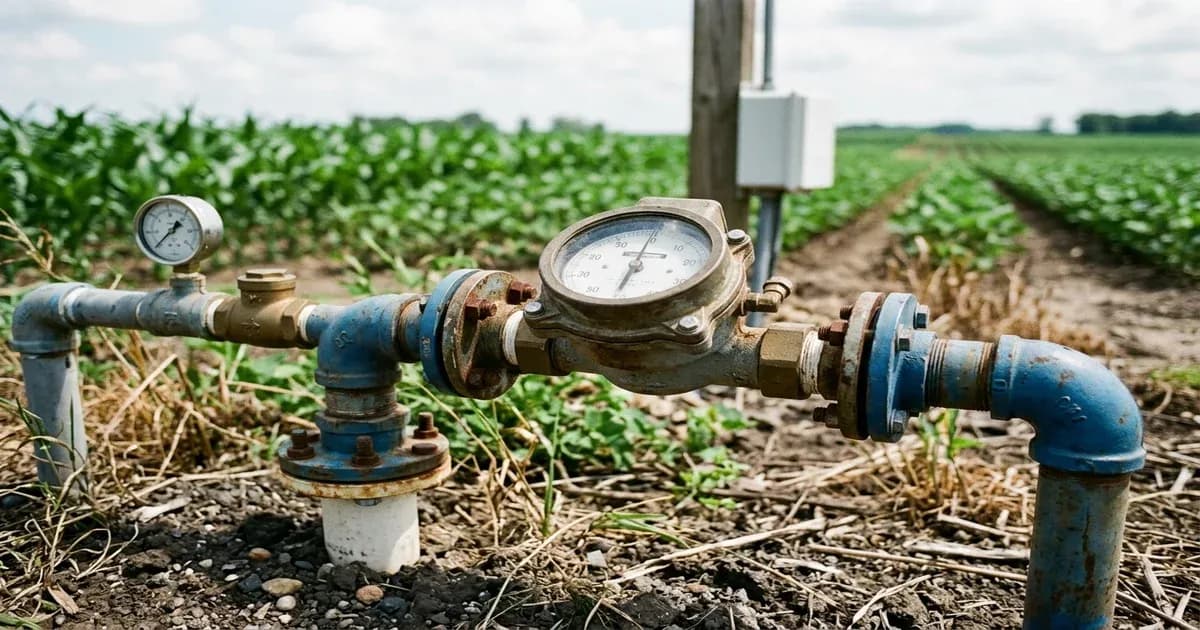
The rapid expansion of solar tube wells across Pakistan has delivered immense financial relief to farmers, but it also presents environmental challenges. With zero fuel cost per pumping hour, unmonitored solar irrigation has led to water table drawdown in vulnerable agricultural regions, prompting new groundwater management rules.
How does unmetered solar pumping impact groundwater tables?
In regions like northern Balochistan and central Punjab, groundwater levels have declined at rates exceeding 2 to 3 meters annually.
Because diesel pumps required expensive fuel purchases, farmers ran engines strictly when necessary. Solar pumps, having zero marginal operational cost, often run continuously throughout daylight hours even when crop soil moisture is saturated.
What regulatory framework is emerging for agri-solar?
Federal and Provincial water authorities are introducing sustainable management measures:
- Mandatory Micro-Irrigation Integration - Future government solar subsidies require pairing pumps with drip or sprinkler systems.
- Aquifer Conservation Zoning - Licensing restrictions on high-capacity (>25HP) solar tube wells in severely depleted groundwater zones.
- Smart Timer Controllers - Requirement for VFD controllers programmed to limit maximum daily pumping duration.
Summary and Recommendations
Stay compliant with agricultural water regulations. Read sustainability insights on SolarNevs.
Frequently Asked Questions
Why are water authorities regulating solar tube wells in Pakistan?
Because solar tube wells cost zero rupees per hour to operate, unmetered over-pumping has accelerated groundwater table depletion across critical agricultural basins.
What is PCRWR doing to manage agricultural groundwater extraction?
The Pakistan Council of Research in Water Resources (PCRWR) is introducing groundwater mapping, aquifer zoning, and mandatory smart metering for high-capacity solar tube wells.
How can farmers avoid depleting groundwater while using solar pumps?
Adopting high-efficiency drip irrigation, installing automatic pump cutoff timers, and practicing crop diversification prevent excessive water withdrawal.
References
Frequently asked questions
Why are water authorities regulating solar tube wells in Pakistan?
Because solar tube wells cost zero rupees per hour to operate, unmetered over-pumping has accelerated groundwater table depletion across critical agricultural basins.
What is PCRWR doing to manage agricultural groundwater extraction?
The Pakistan Council of Research in Water Resources (PCRWR) is introducing groundwater mapping, aquifer zoning, and mandatory smart metering for high-capacity solar tube wells.
How can farmers avoid depleting groundwater while using solar pumps?
Adopting high-efficiency drip irrigation, installing automatic pump cutoff timers, and practicing crop diversification prevent excessive water withdrawal.
References
- PCRWR — accessed 14 July 2026
- Ministry of Water Resources — accessed 9 July 2026
Related guides
More from sizing, net billing & installation.