On-Grid vs Hybrid Solar in the Net Billing Era
Updated 2 August 2026 · By SolarNevs Research Desk, Dealer surveys + verified sources · 3 sources · Method ↗
On-Grid vs Hybrid Solar in the Net Billing Era
{/* visual_plan. flowchart */}
Key Takeaways
- On-grid solar systems cost Rs 600,000 (July 2026) for 5kW but turn off automatically during utility power outages.
- Hybrid solar systems cost Rs 850,000 (July 2026) for 5kW and keep essential appliances running during load shedding.
- NEPRA net billing export tariff of Rs 11 per unit (July 2026) makes battery energy storage more valuable than exporting excess energy.
- On-grid systems suit locations with stable 24/7 grid electricity, while hybrid systems suit areas facing frequent blackouts.
- Existing on-grid solar systems can be retrofitted with battery storage using AC coupling methods.
What is the core difference between on-grid and hybrid solar systems under NEPRA net billing?
The fundamental difference between on-grid and hybrid solar systems lies in their battery backup capability and operation during utility load shedding.
On-grid solar systems export surplus daytime solar generation directly to the DISCO network. However, for safety reasons, on-grid inverters immediately shut down during utility power outages to prevent feeding power into lines under repair.
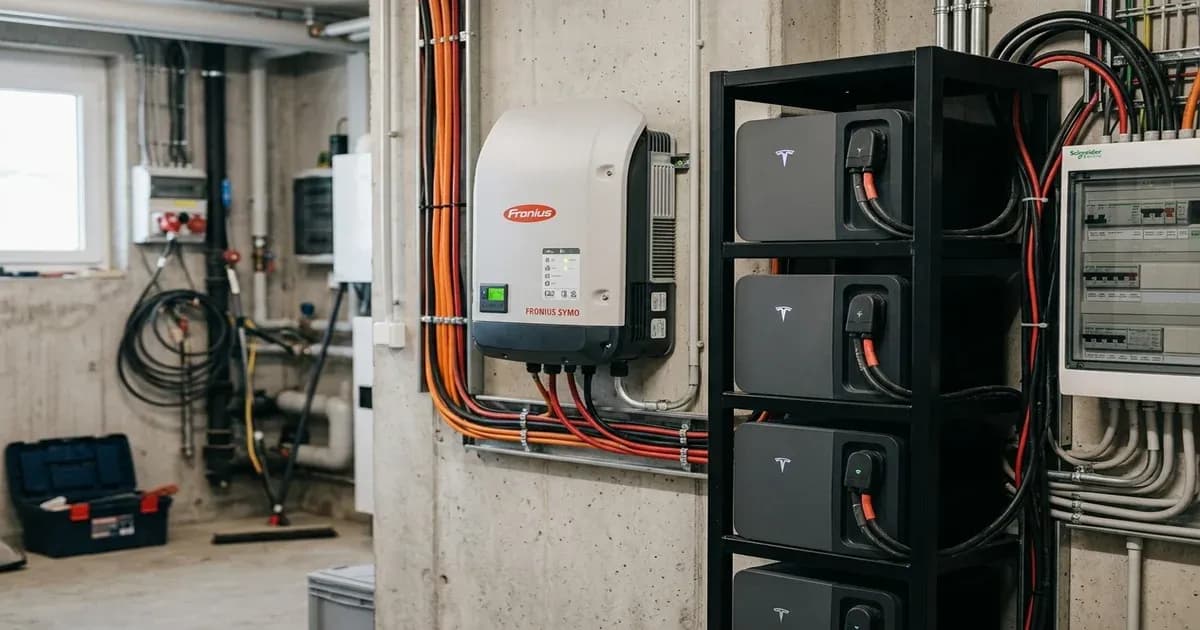
Hybrid solar systems combine solar generation with battery energy storage. During grid power outages, a hybrid inverter disconnects from the grid and draws battery power to keep home lights, fans, and refrigeration operational.
How does the NEPRA export tariff change the payback of on-grid vs hybrid?
Under NEPRA prosumer net billing regulations, DISCOs credit exported prosumer solar energy at Rs 11 (July 2026) per unit. Meanwhile, peak utility grid electricity imports cost between Rs 55 and Rs 65 (July 2026) per unit.
This tariff gap changes solar investment math. Exporting excess afternoon energy to the grid yields modest financial credits compared to storing solar energy locally in batteries for evening household consumption.
Hybrid systems allow storing afternoon solar power in lithium batteries, avoiding high peak grid import rates during evening hours.
What is the cost comparison between on-grid and hybrid installations today?
On-grid solar installations feature lower upfront capital requirements because they omit battery storage banks. Hybrid installations require higher initial investment for hybrid inverters and lithium battery storage.
The table below presents a cost comparison across common residential capacities in Pakistan.
System Rating | On-Grid System Price | Hybrid System Price (Lithium) | Price Difference |
|---|---|---|---|
3kW Capacity | Rs 380,000 | Rs 580,000 | Rs 200,000 |
5kW Capacity | Rs 600,000 | Rs 850,000 | Rs 250,000 |
10kW Capacity | Rs 1,150,000 | Rs 1,600,000 | Rs 450,000 |
Figures as of July 2026.
While on-grid systems achieve shorter financial payback periods of 2.5 to 2.8 years, hybrid systems supply uninterrupted power during load shedding.
Step-by-step decision framework for selecting your system architecture
Choosing the right solar system architecture depends on local grid stability, household load shedding frequency, and available project budget.
When to choose an On-Grid System
- Your neighborhood experiences minimal utility power outages (less than 1 hour daily).
- Your primary project objective is minimizing financial payback time.
- Your initial installation budget is constrained.
When to choose a Hybrid System
- Your locality experiences regular load shedding or unpredictable grid blackouts.
- You want to run essential loads like lights, fans, and refrigeration without generator noise.
- You wish to maximize self-consumption of generated solar energy during peak tariff hours.
Battery retrofit options. Can you upgrade an on-grid solar system to hybrid later?
Property owners who initially install an on-grid solar system can add battery storage at a later date.
Retrofitting can be accomplished by replacing the existing string inverter with a hybrid inverter, or by adding an AC-coupled battery storage system alongside the on-grid inverter.
Adding a 5.12kWh LiFePO4 battery pack via AC coupling costs around Rs 340,000 (July 2026), giving existing on-grid systems full load-shedding backup capability.
Frequently Asked Questions
What is the primary difference between on-grid and hybrid solar systems?
On-grid systems connect directly to the grid without batteries and shut down during load shedding, while hybrid systems include battery storage to maintain power during outages.
How much more does a hybrid solar system cost compared to an on-grid system?
A 5kW hybrid system with lithium battery storage costs around Rs 850,000 (July 2026), compared to Rs 600,000 (July 2026) for a 5kW on-grid system.
Can you upgrade an on-grid solar system to hybrid later?
Yes, an existing on-grid solar system can be upgraded by installing AC-coupled battery storage or replacing the string inverter with a hybrid inverter.
References
Frequently asked questions
What is the primary difference between on-grid and hybrid solar systems?
On-grid systems connect directly to the grid without batteries and shut down during load shedding, while hybrid systems include battery storage to maintain power during outages.
How much more does a hybrid solar system cost compared to an on-grid system?
A 5kW hybrid system with lithium battery storage costs around Rs 850,000 (July 2026), compared to Rs 600,000 (July 2026) for a 5kW on-grid system.
Can you upgrade an on-grid solar system to hybrid later?
Yes, an existing on-grid solar system can be upgraded by installing AC-coupled battery storage or replacing the string inverter with a hybrid inverter.
References
- Solar Citizen — accessed 25 July 2026
- W11Stop — accessed 25 July 2026
- NEPRA — accessed 25 July 2026
Related guides
More from sizing, net billing & installation.