BYD Battery-Box Premium Review Australia: Pricing, Specs, and Rebates
Updated 19 September 2026 · By SolarNevs Research Desk, Dealer surveys + verified sources · 2 sources · Method ↗
Key Takeaways
- BYD Battery-Box systems average approximately $1,002 per usable kWh installed before federal and state clean energy rebates.
- Systems utilize cobalt-free lithium iron phosphate (LFP) chemistry in stackable tower architectures (HVS, HVM, and B-Box LV).
- Under the federal Cheaper Home Batteries scheme, a 13.8 kWh BYD HVM system receives an estimated rebate of approximately $4,620.
- BYD backs Australian units with a 10-year product warranty and a 70% capacity retention guarantee tied to a 3 to 3.09MWh throughput cap.
Is the BYD Battery-Box a Good Choice for Australian Homes?
BYD Co Ltd is a global giant in electric vehicle manufacturing, battery cells, and renewable energy storage. In the Australian market, BYD has maintained an active presence since 2013 and is a well-diversified company operating globally in EVs, battery storage, and electronics. The company supports local installers and homeowners with more than 100 staff in Australia and an established office.
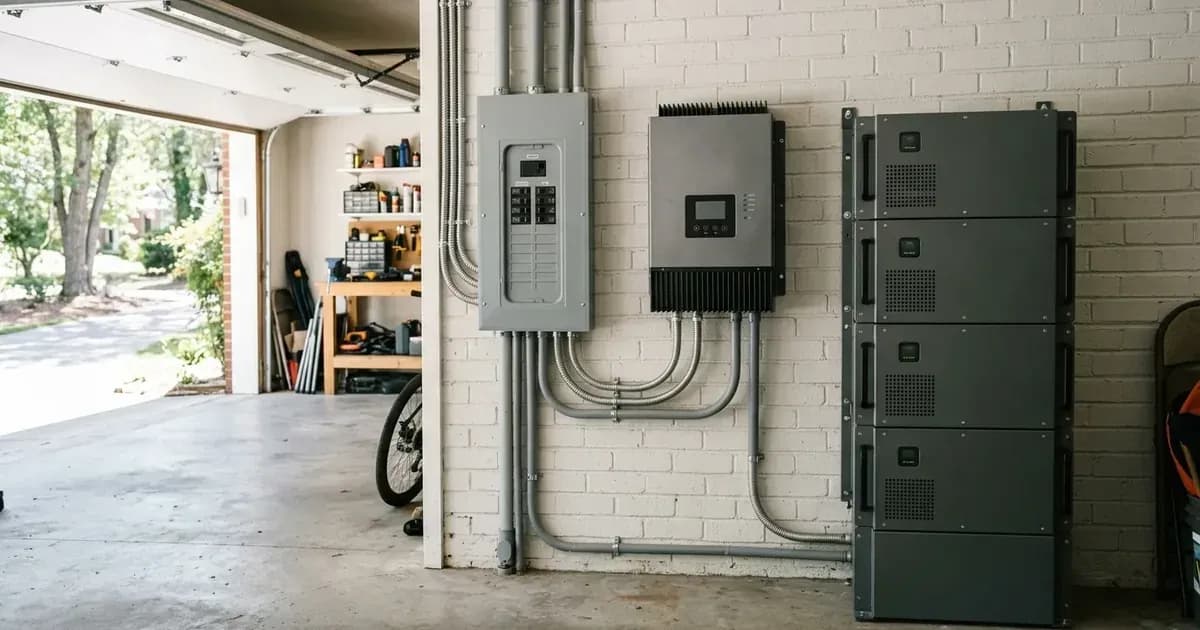
The BYD Battery-Box Premium series is a modular, high-voltage (HVS and HVM) and low-voltage (B-Box LV) energy storage solution. Unlike all-in-one battery units that integrate built-in micro-inverters, BYD batteries are stackable DC-coupled units that require an external hybrid inverter to operate. This architecture makes BYD an adaptable choice for homeowners planning a new hybrid solar installation or retrofitting storage alongside leading inverter platforms.
For integration with off-grid and marine systems, see our technical guide on Victron BYD Battery-Box setup.
Technical Specifications and Modular Range
The BYD residential lineup features flexible modular stacking, allowing homeowners to size energy storage according to household evening loads:
Model / Series | Usable Capacity Tiers | Ingress Rating | System Architecture |
|---|---|---|---|
B-Box LV Residential | 2.56kWh (2.45kWh usable) to 10.24kWh (9.8kWh usable) | IP55 | Low-voltage modular stackable cabinet |
Battery-Box Pro | 2.56 kWh per B-Plus L 2.5 module | IP55 | Multi-module rack mounting |
Battery-Box Premium HVS | Modular series-connected stack | IP55 | High-voltage series-connected LFP tower |
Battery-Box Premium HVM | Modular series-connected stack | IP55 | High-voltage series-connected LFP tower |
Light Commercial Stacks | Scalable up to 57.5kWh | IP55 | Multi-tower parallel configuration |
In the low-voltage series, the system comes in four different sizes: 2.56kWh (2.45kWh usable), 5.12kWh (4.9kWh usable), 7.68kWh (7.35kWh usable), and 10.24kWh (9.8kWh usable). Up to 4 B-Plus modules can fit into one cabinet, and multiple cabinets can combine to achieve a total capacity of 57.5kWh for light commercial usage.
Inverter Compatibility and Installation Architecture
A defining characteristic of the BYD Battery-Box is its external inverter requirement. BYD batteries are stackable, but are not able to be AC connected without installing a separate hybrid inverter.
Certified inverter pairing includes several prominent manufacturers:
- Hybrid inverter compatibility: There are several compatible converters currently including SMA, GoodWe, SolaX, and Victron.
- Backup performance: The correct inverter will allow DC coupling to solar and backup power during blackouts.
- Thermal and enclosure rating: Units carry an IP55 ingress protection rating. While rated for outdoor installation, units should be mounted in sheltered locations out of direct western afternoon sunlight.
Homeowners should note that the system has no built-in fire suppression or thermal management, and lacks modular battery balancing. Without active cell-level DC-DC balancing, future battery modules added to the stack will drop to the lower performance of older degraded batteries. Installers recommend purchasing the complete planned capacity upfront rather than adding modules years later.
Installed Pricing and Federal Rebate Calculations
Based on installer quotation data collected by Solar Choice, the average price for an installed BYD battery is $1,002 per usable kWh before any rebates deducted, placing it in the lower price category across the Australian market.
Equipment pricing benchmarks scale across capacity tiers:
- 2.5kWh entry module: approximately $2,000 equipment cost.
- 10kWh residential stack: approximately $7,900 equipment cost.
- 13.8kWh residential stack: approximately $9,700 equipment cost.
Federal and state incentives significantly reduce out-of-pocket investment costs:
- Federal Cheaper Home Batteries Program: Based on federal rebate calculations, a BYD Battery Box Premium HVM 13.8 battery would receive a rebate of approximately $4,620.
- Rebate stacking: This rebate can be paired with the state battery rebate in WA and the NSW VPP Rebate.
To qualify for federal Small-scale Technology Certificates (STCs), the Clean Energy Regulator requires that the battery installation operates between 5–100 kWh nominal capacity, with STCs claimable on the first 50 kWh of usable capacity. Under the rebate formula, the first tier from 0 kWh up to 14 kWh is applied at 100% of the certificate factor. Compare pricing across capacity brackets in our residential battery sizing comparison guide and home battery price Australia guide.
Warranty and Lifecycle Throughput Terms
Warranty strength is a vital indicator of long-term battery durability:
- Product warranty: BYD supplies a 10 year warranty for their batteries which covers defects in materials or workmanship.
- Performance degradation guarantee: They also provide a performance warranty which guarantees that their battery will still retain 70% of its nameplate usable energy after 10 years or if it throughputs a minimum amount of energy.
- Throughput allowance: The warranty includes a throughput allowance of 3 to 3.09MWh per usable kWh. The minimum through-put in their warranty document works out to be around 3 MWh per kWh of usable energy, which would give you approximately one full cycle per day for 8 years.
- Local customer service: BYD have a local office in Australia to support customers seeking assistance, which is essential if warranty claims arise.
Australian Safety Standards (AS/NZS 5139:2019)
All battery energy storage installations in Australia must strictly comply with AS/NZS 5139:2019 guidelines covering battery location, fire-rated backing barriers, and minimum clearance distances from doors, windows, and habitable rooms.
[!WARNING]High-voltage DC battery stacks operate at hazardous electrical potentials and store immense energy. Never open module enclosures, touch exposed busbars, or attempt to connect modular expansion blocks yourself. All battery mounting, DC isolator wiring, CAN bus communications, and commissioning must be carried out by a licensed electrician holding Clean Energy Council battery accreditation.
Review clearance and barrier rules in our dedicated AS/NZS 5139 battery location clearance guide. Ensure your installer verifies inverter firmware compatibility, programs the appropriate CAN bus baud rate, and issues an electrical compliance certificate upon commissioning.
References
- Solar Choice - BYD Battery: An Independent Review by Solar Choice — accessed 16 September 2026
- Clean Energy Regulator - Solar Batteries Scheme Eligibility — accessed 16 September 2026
Related guides
More from what to buy — and how not to get cheated.