CER SRES Manufacturer Serial Number Ledger Compliance Guide: Requirements for Solar Panels, Inverters, and Batteries
Updated 18 September 2026 · By SolarNevs Research Desk, Dealer surveys + verified sources · 1 source · Method ↗
Key Takeaways
- The Clean Energy Regulator (CER) sets rules for solar photovoltaic and battery storage manufacturers and importers in Australia.
- Solar panel components must be on the Clean Energy Council's (CEC) approved lists.
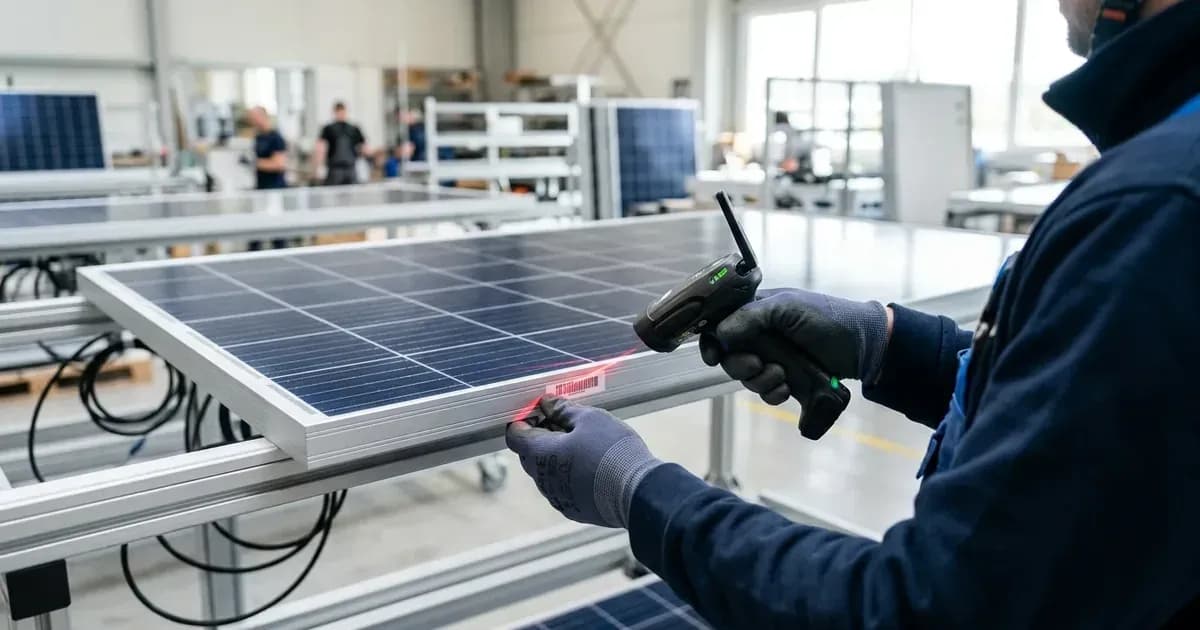
- Manufacturers and importers must provide solar PV and battery data to serial number ledgers.
- There are three distinct ledgers: solar panel, inverter, and battery serial number ledgers.
What are the Clean Energy Regulator's (CER) compliance requirements for manufacturers and importers?
The Clean Energy Regulator (CER) outlines specific compliance requirements for manufacturers and importers of solar photovoltaic and battery storage equipment in Australia. These rules ensure that components used in schemes like the Small-scale Renewable Energy Scheme (SRES) meet necessary standards and are traceable. As of August 2026, manufacturers and importers must ensure that "solar panel components must be on the Clean Energy Council's (CEC) approved lists." Additionally, they are obligated to "provide solar PV and battery data to the serial number ledger."
The CER specifies that "you must provide serial numbers to the: solar panel serial number ledger inverter serial number ledger battery serial number ledger." This ensures comprehensive tracking of eligible equipment.
Primary Clean Energy Regulator Manufacturer Provisions
Provision Parameter | Statutory Limitation / Requirement |
|---|---|
CEC Approved Lists Mandate | "solar panel components must be on the Clean Energy Council's (CEC) approved lists." |
Serial Number Ledger Obligation | "provide solar PV and battery data to the serial number ledger" |
Three Ledger Types | "you must provide serial numbers to the: solar panel serial number ledger inverter serial number ledger battery serial number ledger." |
Panel Ledger Function | "Solar panel serial number ledger Learn how to add and manage solar panel serial numbers in our ledger" |
Inverter Ledger Function | "Inverter serial number ledger Learn how to add and manage inverter serial numbers in our ledger" |
| Battery Ledger Function | "Register and manage battery serial numbers" | Figures as of August 2026.
How do we verify these compliance requirements?
We verify these compliance requirements by directly consulting the official publications of the Clean Energy Regulator (CER). Our information, current as of August 23, 2026, is drawn from the "Manufacturers and importers" section of the CER's website, specifically detailing their "Small-scale Renewable Energy Scheme" and "Large-scale Renewable Energy Target" programs under "Participants and industry." This approach ensures that the information we provide is accurate and reflects the statutory obligations set by the Australian government.
Why are serial number ledgers and approved lists important for consumers and installers?
For consumers and installers, understanding these compliance requirements is crucial for ensuring eligibility for government incentives and the long-term reliability of solar and battery installations. The mandate that "solar panel components must be on the Clean Energy Council's (CEC) approved lists" provides an assurance of quality and safety. Components not on these lists may not qualify for Small-scale Technology Certificates (STCs) under the SRES, impacting the financial viability of an installation.
The requirement to "provide solar PV and battery data to the serial number ledger" for solar panels, inverters, and batteries creates a transparent record. This traceability helps prevent the use of unapproved or counterfeit products, protects consumers, and supports warranty claims. Installers must ensure that all components they install meet these criteria to maintain their accreditation and ensure their customers can access available rebates.
You can learn more about related compliance aspects in our guides on CER SRES SAA Accredited Installer On-Site Photo Compliance and CER SRES Rooftop Solar PV System Eligibility and STC Rules.
What are the implications of non-compliance for manufacturers and importers?
Non-compliance with the Clean Energy Regulator's (CER) requirements can have significant consequences for manufacturers and importers. Failure to ensure "solar panel components must be on the Clean Energy Council's (CEC) approved lists" means that products may not be eligible for government schemes, severely limiting their market in Australia. Similarly, neglecting the obligation to "provide solar PV and battery data to the serial number ledger" for solar panels, inverters, and batteries can lead to products being deemed ineligible for STCs.
The CER actively manages these schemes, and non-compliant entities may face penalties, reputational damage, and exclusion from participating in the renewable energy market. Maintaining accurate and complete records in the "solar panel serial number ledger," "inverter serial number ledger," and "battery serial number ledger" is not just a regulatory hurdle but a fundamental aspect of operating within the Australian renewable energy sector.
For those considering larger battery storage solutions, our guide on CER SRES Solar Battery Storage 5kWh- Eligibility provides further context on eligibility criteria.
Frequently asked questions
What are the Clean Energy Regulator's (CER) requirements for manufacturers and importers of solar equipment?
Manufacturers and importers must ensure solar panel components are on the Clean Energy Council's (CEC) approved lists. They must also provide solar PV and battery data to specific serial number ledgers (August 2026).
Which serial number ledgers must manufacturers and importers submit data to?
Manufacturers and importers must provide serial numbers to three distinct ledgers: the solar panel serial number ledger, the inverter serial number ledger, and the battery serial number ledger (August 2026).
What is the purpose of the Clean Energy Council's (CEC) approved lists?
The Clean Energy Regulator (CER) mandates that all solar panel components used in eligible installations must be listed on the Clean Energy Council's (CEC) approved lists to qualify for schemes like the Small-scale Renewable Energy Scheme (August 2026).
Who is responsible for managing serial numbers in these ledgers?
Manufacturers and importers are responsible for learning how to add and manage solar panel, inverter, and battery serial numbers within the respective ledgers maintained by the Clean Energy Regulator (August 2026).
Does this compliance apply to all solar and battery equipment?
These Clean Energy Regulator (CER) rules specifically apply to solar photovoltaic and battery storage equipment for manufacturers and importers in Australia, particularly under the Small-scale Renewable Energy Scheme (August 2026).
References
- Clean Energy Regulator - Manufacturers and importers — accessed 23 August 2026
Related guides
More from schemes, subsidies & financing.