CER SRES SAA Accredited Installer On-Site Photo Compliance Guide: Meeting Australian Requirements
Updated 18 September 2026 · By SolarNevs Research Desk, Dealer surveys + verified sources · 1 source · Method ↗
Key Takeaways
- Installers must hold Solar Accreditation Australia (SAA) accreditation and an unrestricted electrical licence.
- On-site attendance is mandatory, evidenced by photos taken during installation.
- A minimum of 3 photos total are required, one for each installation stage.
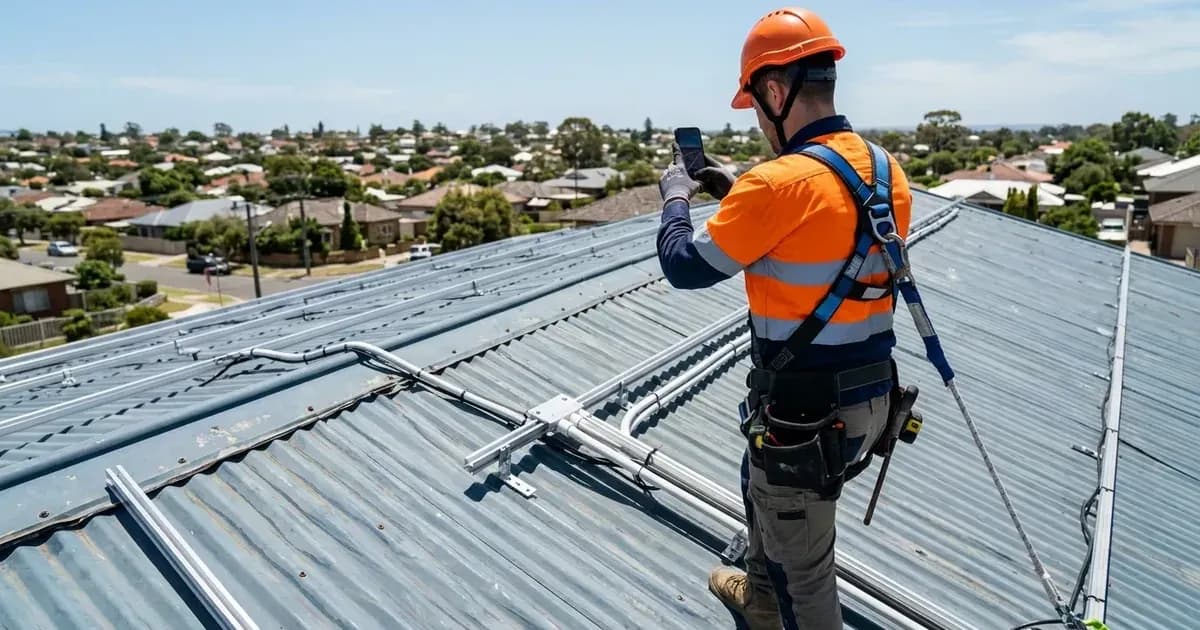
- Photos must clearly show the installer's face and the specific stage of work.
What are the Clean Energy Regulator's Photo Compliance Rules for SRES Installers?
The Clean Energy Regulator (CER) mandates specific photo compliance rules for accredited installers participating in Australia's Small-scale Renewable Energy Scheme (SRES). These rules ensure that accredited installers are physically present and actively involved during key stages of a rooftop solar installation. Compliance requires a minimum of 3 photos total, with each photo documenting a distinct phase of the work (August 2026). These images must clearly show the installer's face.
What Accreditation and Licensing Do You Need?
To install rooftop solar PV systems under the SRES, you must meet specific accreditation and licensing criteria. The Clean Energy Regulator requires installers to be accredited by Solar Accreditation Australia (SAA) (August 2026). This accreditation confirms your competence in solar PV installation practices.
Beyond SAA accreditation, you must also hold an unrestricted electrical licence in the state or territory where the installation occurs (August 2026). This ensures you are legally qualified to perform electrical work. Both accreditations are fundamental requirements for SRES eligibility.
Why is On-Site Attendance Mandatory for SRES Installations?
The Clean Energy Regulator enforces strict on-site attendance requirements for accredited installers. These rules ensure that a qualified professional oversees or directly performs critical installation tasks. The CER states, "There are requirements that apply to installers being on-site during installation" (August 2026).
Your presence is necessary for three key stages:
- Job set-up / pre-installation check-up (August 2026)
- Testing and commissioning (August 2026)
- Taking photos of yourself on site (August 2026)
These requirements confirm that the accredited installer is responsible for the quality and safety of the work.
How Do You Document On-Site Presence with Photos?
Photo evidence is a core component of SRES compliance. The Clean Energy Regulator specifies clear guidelines for these photographs. You must "take photos of yourself on site" (August 2026). These photos serve as proof of your physical presence and active involvement.
The requirements for these photos include:
- Clearly show your face (August 2026)
- Show the 3 stages of installation (August 2026)
The CER explicitly states, "We need a minimum of 3 photos total, one for each stage" (August 2026). This means one photo for set-up, one for testing, and one for commissioning. Each photo must distinctly capture you and the stage of work being performed.
What Prohibitions Apply to Photo Documentation?
The Clean Energy Regulator has strict prohibitions against falsifying documentation or misrepresenting on-site presence. You must "do not return to the site after installation to take photos or falsify documents" (August 2026). This rule prevents installers from creating retrospective evidence of attendance. All compliance photos must be taken during the actual installation stages. Adhering to this prohibition is critical for maintaining your accreditation and avoiding penalties.
How Does the SRES Inspection Program Affect Installers?
The Clean Energy Regulator operates an SRES inspection program to monitor compliance across the industry. "Under the SRES inspection program, we inspect a sample of installations" (August 2026). This program helps the CER verify that installations meet all scheme requirements, including proper accreditation, on-site attendance, and accurate photo documentation. If your installation is selected for inspection, you must be able to demonstrate full compliance with all rules. Non-compliance can lead to penalties and loss of eligibility for SRES incentives.
What is the Designer and Installer Written Statement?
As part of the SRES compliance framework, the Clean Energy Regulator provides guidance on written statements. The CER advises installers to "use our example designer and installer written statement as a guide" (August 2026). This statement is a formal declaration confirming that the design and installation meet all relevant standards and scheme requirements. It is a critical document for both the installer and the system owner, providing assurance of compliance.
How We Verified These Requirements
We compiled this guide by directly referencing the Clean Energy Regulator's official website. Specifically, we consulted the "Rooftop solar installers and designers" section of the cer.gov.au domain (August 2026). All statutory limitations and requirements cited in this article are sourced from this primary government publication. We checked these details on 23 August 2026.
Navigating SRES Compliance: Further Resources
Understanding and adhering to the Clean Energy Regulator's requirements is essential for accredited installers. Non-compliance can result in significant issues, including the invalidation of Small-scale Technology Certificates (STCs) and potential penalties. Always ensure your practices align with the latest guidelines.
For more detailed information on related SRES compliance topics, you can consult our other guides:
- Learn about managing serial numbers: CER SRES Manufacturer Serial Number Ledger Compliance Guide
- Understand retailer obligations: CER SRES Solar Retailer Written Statement and 5-Year Record Compliance Guide
- Review eligibility for larger systems: CER SRES Rooftop Solar PV System Eligibility and STC Rules
While this article focuses on photo compliance, a holistic understanding of all SRES rules is vital for successful participation. You can also use a solar sizing tool to estimate system requirements, but always ensure your final design and installation adhere to all regulatory mandates.
Frequently asked questions
What are the core accreditation requirements for SRES installers?
Accredited installers must be accredited by Solar Accreditation Australia (SAA) and hold an unrestricted electrical licence in their state or territory (August 2026). These are foundational requirements for participation in the Small-scale Renewable Energy Scheme (SRES).
How many on-site photos are required for SRES compliance?
The Clean Energy Regulator requires a minimum of 3 photos total (August 2026). These photos must cover three distinct stages of the installation process: job set-up, testing, and commissioning.
What must be visible in the compliance photos?
Each photo must clearly show your face and evidence one of the three installation stages (August 2026). The photos serve as proof of the accredited installer's on-site presence and involvement during critical phases.
Can compliance photos be taken after the installation is complete?
No, the Clean Energy Regulator explicitly prohibits returning to the site after installation to take photos or falsifying documents (August 2026). Photos must be taken during the actual set-up, testing, and commissioning stages.
What is the purpose of the SRES inspection program?
Under the SRES inspection program, the Clean Energy Regulator inspects a sample of installations (August 2026). This program verifies compliance with all scheme requirements, including installer accreditation and on-site photo evidence.
References
- Clean Energy Regulator - Rooftop solar installers and designers — accessed 23 August 2026
Related guides
More from schemes, subsidies & financing.