Can You Charge an EV During Load Shedding? Workarounds Guide
Updated 2 August 2026 · By SolarNevs Research Desk, Dealer surveys + verified sources · 4 sources · Method ↗
Can You Charge an EV During Load Shedding? Workarounds Guide
{/* visual_plan - stat_block */}
Key Takeaways
- Rooftop hybrid solar systems (6kW to 10kW) provide the most reliable zero-cost EV charging workaround during load shedding.
- Heavy-duty petrol or diesel generators (7.5 kVA+) equipped with clean AVR voltage regulators can power 3.5kW and 7kW EV chargers.
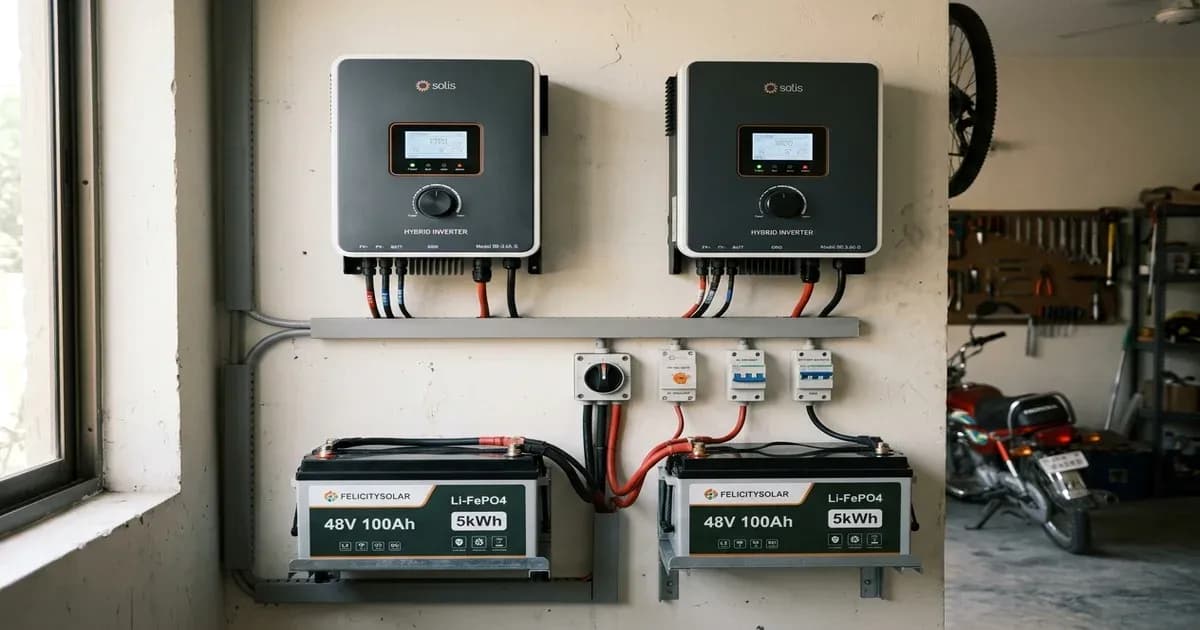
- Home lithium storage battery banks allow overnight EV charging during grid power outages.
- Portable 3.5kW slow chargers draw low current, preventing overload trips on backup power systems.
- Commercial DC fast charging stations along motorways operate uninterrupted via dedicated industrial feeders.
How can you charge an EV during grid load shedding in Pakistan?
Unannounced load shedding presents challenges for electric vehicle owners across urban and suburban Pakistan. However, adopting practical backup power workarounds ensures continuous vehicle readiness.
Vehicle owners use three main backup setups - rooftop solar arrays, dedicated battery banks, and high-capacity generators. The table below compares backup charging workarounds during grid outages.
Backup Workaround | Required Equipment Setup | Charging Speed | Operating Fuel Cost | Setup Expense |
|---|---|---|---|---|
Rooftop Hybrid Solar | 6kW to 10kW Panels + Hybrid Inverter | 7.0 kW AC (Daylight) | Rs 0 Free Power | Rs 750,000 to Rs 1,100,000 |
Home Lithium Storage | 10 kWh to 15 kWh LiFePO4 Bank | 3.5 kW AC (Night) | Off-Peak Tariff Cost | Rs 700,000 to Rs 950,000 |
Petrol/Diesel Generator | 7.5 kVA+ AVR Generator | 3.5 kW to 7.0 kW AC | Fuel Cost Rs 320 / kWh | Rs 250,000 to Rs 400,000 |
Public Fast DC Hub | Commercial DC Station | 60.0 kW Fast DC | Public Station Rate | Pay per Use Fee |
Figures as of July 2026.
Pairing EV ownership with rooftop solar power provides long-term energy independence from grid outages.
How to safely charge an EV using a petrol or diesel generator?
To charge an electric vehicle safely using a backup generator, follow these technical guidelines:
- AVR Voltage Protection: Use generators equipped with Automatic Voltage Regulators (AVR) to prevent clean sine-wave distortion.
- Capacity Overhead: Ensure generator kVA rating exceeds charger kW rating by at least 25% (e.g., 7.5 kVA generator for 3.5kW charger).
- Earthing Ground Connection: Connect the generator chassis to a physical earth spike; EV chargers will reject ungrounded power sources.
Following these safety precautions prevents damage to the vehicle onboard charger.
Frequently Asked Questions
Frequently Asked Questions
Can you charge an electric vehicle during load shedding in Pakistan?
Yes, EVs can be charged during load shedding using rooftop hybrid solar systems, high-capacity lithium battery banks, or heavy-duty generators.
How many solar panels are needed to charge an electric car during load shedding?
A 6kW to 10kW rooftop solar system with 10 to 16 panels (550W) provides sufficient daytime generation to charge an EV during grid outages.
Can a petrol generator charge an electric car in Pakistan?
Yes, a 7.5 kVA or larger petrol/diesel generator with clean AVR sine-wave output can power a 3.5kW or 7kW EV charger.
References
Frequently asked questions
Can you charge an electric vehicle during load shedding in Pakistan?
Yes, EVs can be charged during load shedding using rooftop hybrid solar systems, high-capacity lithium battery banks, or heavy-duty generators.
How many solar panels are needed to charge an electric car during load shedding?
A 6kW to 10kW rooftop solar system with 10 to 16 panels (550W) provides sufficient daytime generation to charge an EV during grid outages.
Can a petrol generator charge an electric car in Pakistan?
Yes, a 7.5 kVA or larger petrol/diesel generator with clean AVR sine-wave output can power a 3.5kW or 7kW EV charger.
References
- Solar Citizen — accessed 25 July 2026
- W11Stop — accessed 25 July 2026
- PakWheels — accessed 25 July 2026
- NEPRA — accessed 25 July 2026
Related guides
More from going electric in pakistan.