Monsoon Flooded Roads: EV Safety Facts and IP67 Myths
Updated 2 August 2026 · By SolarNevs Research Desk, Dealer surveys + verified sources · 4 sources · Method ↗
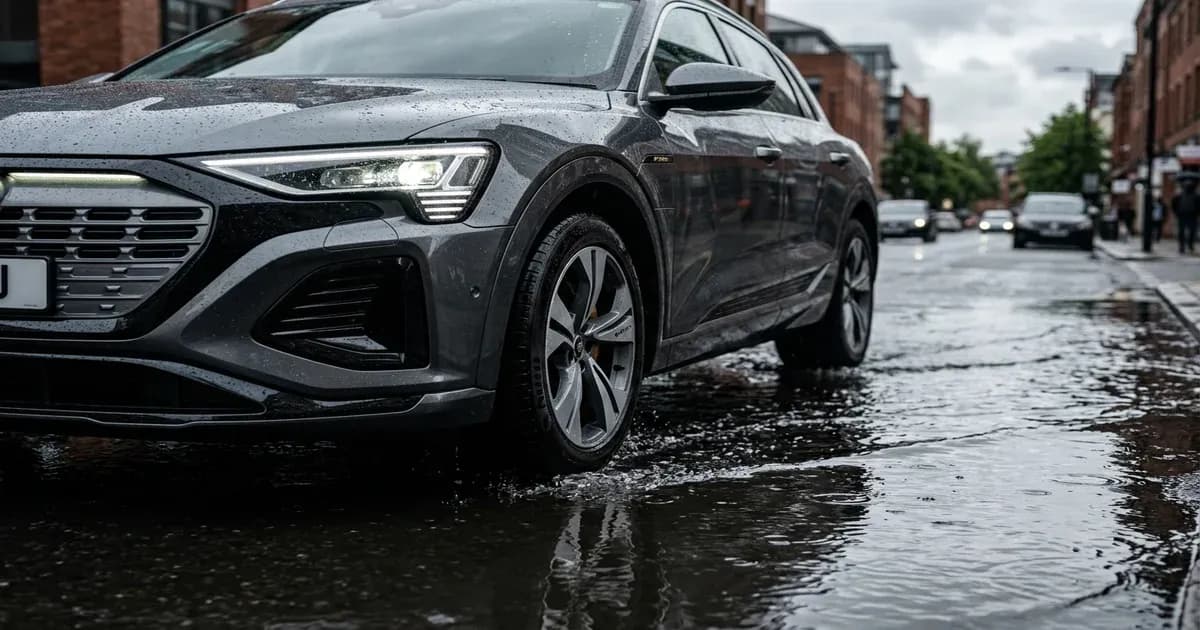
Monsoon Flooded Roads - EV Safety Facts and IP67 Myths
{/* visual_plan - stat_block */}
Key Takeaways
- Electric vehicle battery packs and high-voltage motors are sealed to IP67 or IP68 waterproof standards.
- Electric cars safely wade through standing monsoon water up to 300 mm to 400 mm deep without engine stall risks.
- Electric vehicles lack air intakes or exhaust pipes, eliminating hydro-locking engine damage risks common in petrol cars.
- Automatic high-voltage isolation switches disconnect battery power in milliseconds if water seals fail.
- Rinsing undercarriage components after operating through urban rainwater prevents road salt and mud buildup.
Are electric vehicles safe to drive on monsoon flooded roads in Pakistan?
Monsoon season brings urban flooding to streets in Lahore, Karachi, and Rawalpindi. Misconceptions exist regarding electric vehicle safety when operating through standing rainwater.
Unlike petrol cars that suffer hydro-locking when water enters engine air intakes, electric vehicles feature fully sealed electric powertrains. The table below outlines IP ingress protection ratings and flood safety parameters for electric vehicles.
Ingress Rating | Waterproof Standard | Vehicle Protection Level | Safe Flood Depth |
|---|---|---|---|
IP65 Enclosure | Low Pressure Water Jets | Splash Proof Exterior Lights | Rain & Puddles |
IP67 Enclosure | 1 Meter Immersion (30 Mins) | Sealed Battery Pack & Motor | 300 mm Standing Water |
IP68 Enclosure | 1.5 Meter Immersion (1 Hour) | Submersible High-Voltage Wiring | 400 mm Standing Water |
Electric vehicles manage flooded urban streets safely due to sealed battery enclosures.
Busting common EV monsoon flood safety myths
Understanding technical safety engineering busts popular EV water safety myths:
- Myth - EVs Cause Electric Shocks in Water: Busted. High-voltage battery systems are completely isolated from vehicle chassis ground and feature automatic isolation monitoring.
- Myth - Water Destroys EV Motors: Busted. Drive motors use hermetically sealed casings that prevent water entry.
- Myth - Petrol Cars Handle Water Better: Busted. Petrol engines stall when water enters exhaust pipes or air filters, while EVs continue operating smoothly.
These safety mechanisms ensure reliable vehicle operation during heavy monsoon downpours.
Frequently Asked Questions
Frequently Asked Questions
Is it safe to drive an electric car through flooded roads in Pakistan?
Yes, electric cars with IP67 or IP68 rated battery enclosures can safely wade through standing water up to 300 mm deep without short-circuiting.
Will you get an electric shock if an EV gets stuck in standing water?
No, automatic high-voltage pyrofuses disconnect battery power instantly if moisture enters high-voltage circuits.
What is the water wading depth for electric cars in Pakistan?
Most electric cars offer water wading depths of 300 mm to 400 mm, exceeding traditional petrol engine capabilities.
References
Frequently asked questions
Is it safe to drive an electric car through flooded roads in Pakistan?
Yes, electric cars with IP67 or IP68 rated battery enclosures can safely wade through standing water up to 300 mm deep without short-circuiting.
Will you get an electric shock if an EV gets stuck in standing water?
No, automatic high-voltage pyrofuses disconnect battery power instantly if moisture enters high-voltage circuits.
What is the water wading depth for electric cars in Pakistan?
Most electric cars offer water wading depths of 300 mm to 400 mm, exceeding traditional petrol engine capabilities.
References
- PakWheels — accessed 25 July 2026
- Solar Citizen — accessed 25 July 2026
- W11Stop — accessed 25 July 2026
- NEPRA — accessed 25 July 2026
Related guides
More from going electric in pakistan.