Ireland Renewable Energy Regulations: S.I. No. 147/2011 Priority Dispatch Guide (August 2026)
Updated 18 September 2026 · By SolarNevs Research Desk, Dealer surveys + verified sources · 1 source · Method ↗
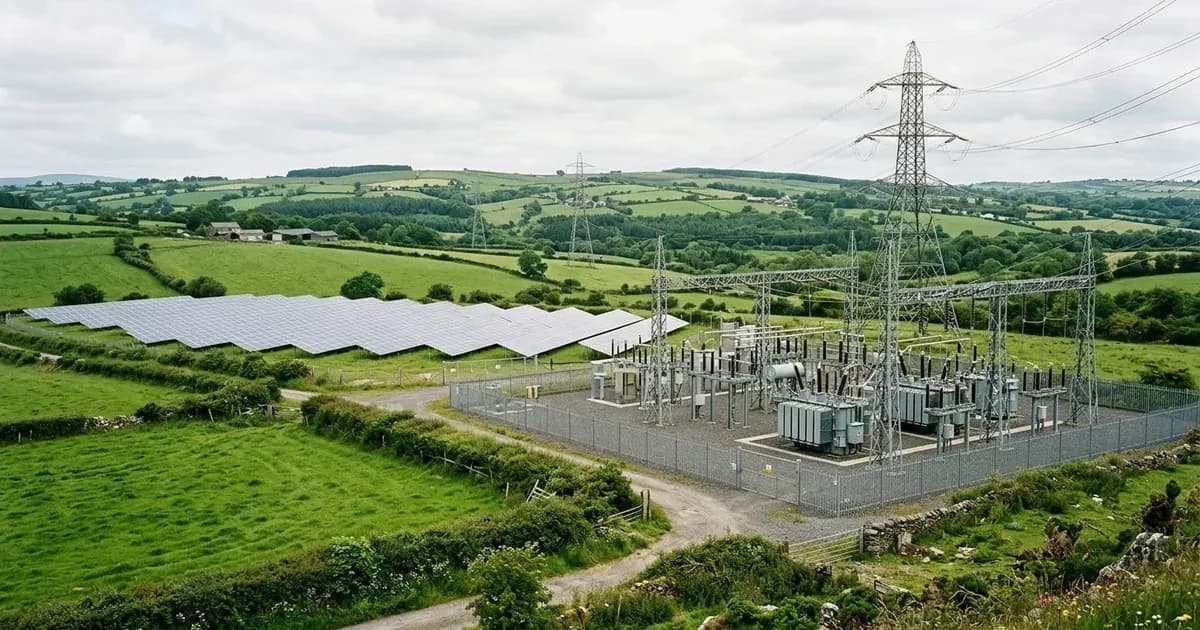
Key Takeaways
- Ireland's S.I. No. 147/2011 mandates priority dispatch for renewable electricity generators (August 2026).
- Renewable generators have a statutory right to sell and transmit electricity at all times, subject to grid safety (August 2026).
- The Transmission System Operator (TSO) must minimise curtailment of renewable electricity (August 2026).
- Public buildings constructed or renovated after 31 December 2011 must fulfil an exemplary role in renewable energy (August 2026).
Understanding S.I. No. 147/2011: Ireland's Renewable Energy Framework
S.I. No. 147/2011, officially titled the "European Communities (Renewable Energy) Regulations 2011," establishes a statutory framework for renewable energy in Ireland. These regulations implement "Directive 2009/28/EC" and are made under the "European Communities Act 1972." The core aim is to integrate renewable electricity sources, such as solar and wind, into the national grid with priority.
Priority Dispatch for Renewable Generators
A central provision of S.I. No. 147/2011 is the mandate for priority dispatch. This means that "when dispatching generating units, the transmission system operator shall give priority to generating units using energy from renewable sources in so far as the secure operation of the electricity system permits." This ensures that renewable power is prioritised for grid access.
Transmission and Distribution System Operator Obligations
The regulations place specific duties on both the Transmission System Operator (TSO) and the Distribution System Operator (DSO). They "shall ensure that electricity generated from renewable sources may be transmitted and distributed." This ensures that once generated, renewable electricity can reach consumers.
Furthermore, a generator of electricity from renewable sources that is connected to the electricity system "shall be able to sell and transmit such electricity at all times, whenever the source becomes available." This right is critical for renewable energy projects, though it is qualified: "The implementation of paragraph (1) shall be at all times subject to the maintenance of the reliability and safety of the grid."
Curtailment Minimisation and Reporting
The regulations also address the issue of curtailment, where renewable energy generation is reduced due to grid constraints. The Commission for Regulation of Utilities (CER) "shall ensure that the transmission system operator or the distribution system operator, as appropriate, takes appropriate grid and market related operational measures in order to minimise the curtailment of electricity from renewable sources on the electricity system."
Should "significant measures are taken to curtail the renewable energy sources in order to guarantee the security of the electricity system and security of energy supply," the TSO has a reporting obligation. The TSO "shall report to CER on those measures and indicate which corrective measures it is intended to take in order to prevent inappropriate curtailments." This ensures transparency and a commitment to reducing future curtailment.
Exemplary Role of Public Buildings
S.I. No. 147/2011 also outlines an exemplary role for public buildings in promoting renewable energy. A public body "shall take such steps as it consider appropriate to ensure that a public building" constructed after "31 December 2011," or "subject to major renovation after that date," "fulfils an exemplary role in the context of the Directive." This provision aims to lead by example in the adoption of renewable energy technologies within the public sector.
Frequently asked questions
What is the primary purpose of S.I. No. 147/2011 in Ireland?
S.I. No. 147/2011, known as the European Communities (Renewable Energy) Regulations 2011, establishes a statutory framework for renewable energy. Its primary purpose is to mandate priority dispatch for renewable electricity generators and ensure their electricity can be transmitted and distributed (August 2026).
Do renewable energy generators in Ireland have a right to sell and transmit electricity at all times?
Yes, a generator of electricity from renewable sources connected to the electricity system 'shall be able to sell and transmit such electricity at all times, whenever the source becomes available.' This is subject to maintaining the reliability and safety of the grid (August 2026).
What are the obligations of the Transmission System Operator (TSO) regarding curtailment of renewable energy?
The TSO must 'take appropriate grid and market related operational measures in order to minimise the curtailment of electricity from renewable sources.' If significant curtailment occurs, the TSO must report to CER on those measures and indicate corrective actions (August 2026).
How does S.I. No. 147/2011 address public buildings?
A public body 'shall take such steps as it consider appropriate to ensure that a public building' constructed after 31 December 2011, or subject to major renovation after that date, 'fulfils an exemplary role in the context of the Directive' (August 2026).
What is priority dispatch for renewable energy under S.I. No. 147/2011?
Priority dispatch means that when dispatching generating units, the transmission system operator 'shall give priority to generating units using energy from renewable sources in so far as the secure operation of the electricity system permits' (August 2026).
References
- European Communities (Renewable Energy) Regulations 2011 — accessed 31 August 2026
Related guides
More from schemes, subsidies & financing.