Ireland Solar PV Electrical Standards I.S. 10101 Part 712 Guide: Compliance for Safe Electric Certification
Updated 18 September 2026 · By SolarNevs Research Desk, Dealer surveys + verified sources · 1 source · Method ↗
Key Takeaways
- All solar PV installations in Ireland must be completed and certified by a Safe Electric Registered Electrical Contractor (REC).
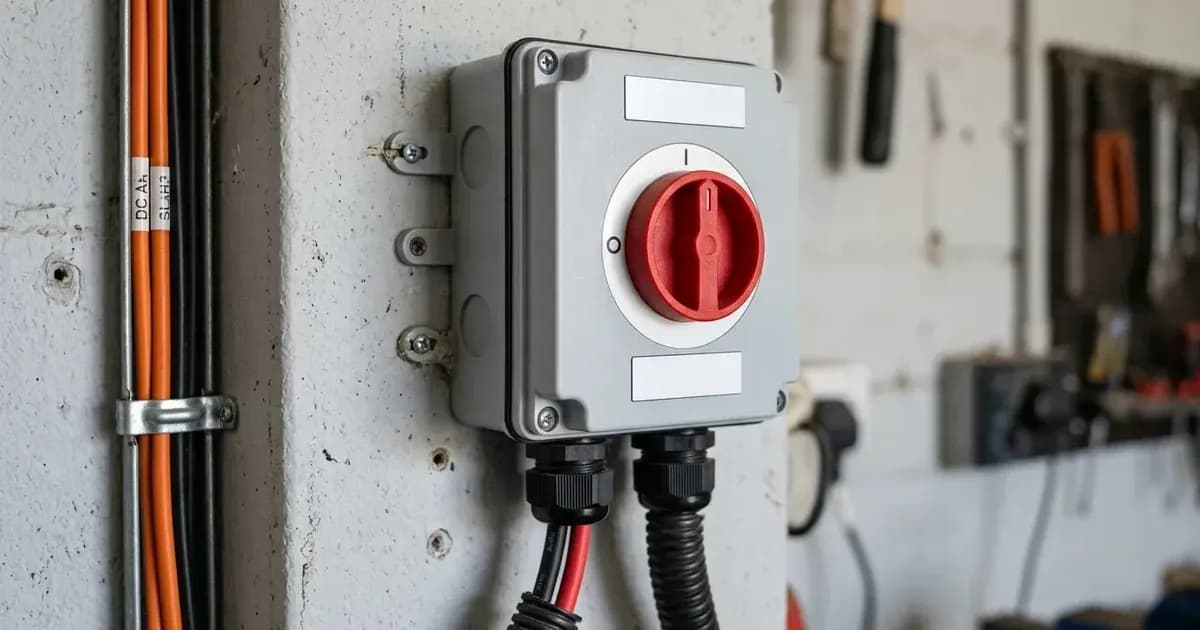
- DC switch-disconnectors must be rotary and rated for DC-PV2 utilization.
- System components and DC wiring must be rated for open-circuit voltage (Voc) calculated at -10°C.
- DC cable voltage drop must be less than 3%, and AC cable voltage drop must be under 1.5%.
- Type B RCDs are generally required, or Type A with 6mA DC detection if the inverter prevents DC residual fault currents.
- Type 2 SPDs (or Type 1+2) are mandatory on both DC and AC sides.
What are the I.S. 10101 Section 712 Standards for Solar PV in Ireland?
The National Standards Authority of Ireland (NSAI) I.S. 10101:2020 provides the National Rules for Electrical Installations. Section 712 of these rules specifically governs solar photovoltaic (PV) installations. This section applies to the electrical installation of PV arrays, inverters, AC/DC switchgear, and safety devices operating in parallel with the distribution network (August 2026).
Compliance with I.S. 10101:2020 Section 712 is crucial for the safe and legal operation of solar PV systems in Ireland. The technical safety and installation standards for Solar Photovoltaic (PV) power supply systems in Ireland are administered by Safe Electric (August 2026). A core requirement is that all installations must be executed and certified by a Safe Electric Registered Electrical Contractor (REC) issuing an official Completion Certificate (August 2026). This ensures that the work meets the required safety and performance benchmarks.
Specific Requirements for DC Circuitry and Components
The direct current (DC) side of a solar PV system has several specific requirements under I.S. 10101 Section 712 to ensure safety and longevity.
Rotary DC Disconnectors
A rotary DC isolator is mandated for installation adjacent to the inverter on each string or Maximum Power Point Tracker (MPPT) (August 2026). This DC switch-disconnector must be rated for load-breaking under the DC-PV2 utilization category (August 2026). This rating ensures the switch can safely interrupt the DC current from the PV array under fault or maintenance conditions.
Minimum Temperature Voc Rating
The maximum DC voltage rating of system components and DC wiring must account for temperature variations. Specifically, components must be rated for the open-circuit voltage (Voc) calculated at the minimum design temperature of -10°C (August 2026). This is critical because the open-circuit voltage of PV modules increases as temperature decreases, potentially exceeding component ratings if not properly accounted for.
DC Cable Sizing and Voltage Drop
Proper DC cable sizing is essential to minimize energy losses and maintain system efficiency. DC string cables must be sized to limit voltage drop to less than 3% at maximum continuous rated DC current (August 2026). Excessive voltage drop can reduce the power delivered by the PV array to the inverter, impacting overall system performance.
AC Circuitry, RCDs, and Voltage Drop
The alternating current (AC) side of a solar PV system also has specific requirements to integrate safely with the existing electrical installation and the grid.
AC RCD Protection
Residual Current Devices (RCDs) are critical safety components designed to protect against electric shock. For solar PV installations, the selection of the correct RCD type is vital. Where an RCD is installed on the inverter AC circuit, a Type B RCD is required unless the inverter manufacturer certifies that the inverter design prevents DC residual fault currents (August 2026). If such certification is provided, a Type A RCD (with 6mA DC detection) may be used (August 2026). This distinction is important because standard Type A RCDs can be blinded by DC fault currents produced by some inverters, rendering them ineffective.
AC Cable Sizing and Voltage Drop
Similar to the DC side, AC cables must be appropriately sized to prevent excessive voltage drop. AC cables between the inverter and the main distribution board must be sized to keep voltage drop under 1.5% at rated power (August 2026). This ensures that the power generated by the inverter is efficiently delivered to the consumer unit or the grid.
Surge Protection Devices (SPDs) for PV Systems
Surge Protection Devices (SPDs) are necessary to protect solar PV systems from transient overvoltages caused by lightning strikes or switching operations in the electrical network. Type 2 SPDs are required on both the DC array input and the AC mains interface (August 2026). In cases where external lightning protection exists, Type 1+2 SPDs must be installed instead (August 2026). These devices divert harmful surge currents away from sensitive equipment, preventing damage.
Ensuring Compliance and Protecting Your Investment
Navigating electrical standards requires careful attention to detail. We verified the specific requirements outlined in this guide by reviewing the technical standards documentation provided by Safe Electric on 23 August 2026.
Another critical consideration for system design is the RCD requirement. Inverters without built-in DC residual fault detection require expensive Type B RCD protection on the AC circuit (August 2026). This can significantly impact the overall cost of an installation. When selecting an inverter, you should confirm its certification regarding DC residual fault current prevention to understand the RCD requirements and associated costs. Always ensure that any electrical work is performed by a Safe Electric Registered Electrical Contractor (REC). They are equipped to handle the complexities of these installations, including isolating power, using insulated tools, and adhering to all safety protocols. Opening the unit or performing any internal work is authorized-service work only.
For further guidance on connecting your solar PV system to the grid or understanding export tariffs in Ireland, you can consult our guides on the ESB Networks NC6 Microgeneration Connection Process and NC7 Minigeneration Connection and Capacity Limits. Information on financial incentives for exporting power can be found in our Clean Export Guarantee (CEG) Supplier Rates Guide. If you are planning a system, you may also find our solar sizing tool helpful.
Frequently asked questions
What is I.S. 10101 Section 712 for solar PV in Ireland?
I.S. 10101:2020 Section 712 outlines the National Rules for Electrical Installations specifically for solar photovoltaic systems in Ireland. It covers PV arrays, inverters, AC/DC switchgear, and safety devices operating in parallel with the distribution network (August 2026).
Who must install solar PV systems in Ireland according to I.S. 10101?
All solar PV installations in Ireland must be executed and certified by a Safe Electric Registered Electrical Contractor (REC). This contractor is responsible for issuing an official Completion Certificate for the work (August 2026).
What are the voltage drop limits for solar PV cabling under I.S. 10101 Section 712?
DC string cables must be sized to limit voltage drop to less than 3% at maximum continuous rated DC current. AC cables between the inverter and the main distribution board must keep voltage drop under 1.5% at rated power (August 2026).
What type of RCD is required for solar PV inverters in Ireland?
A Type B RCD is required on the inverter AC circuit unless the inverter manufacturer certifies that the inverter design prevents DC residual fault currents. In that specific case, a Type A RCD with 6mA DC detection may be used (August 2026).
Are Surge Protection Devices (SPDs) mandatory for solar PV in Ireland?
Yes, Type 2 SPDs are required on both the DC array input and the AC mains interface. If external lightning protection exists, Type 1+2 SPDs are required instead (August 2026).
How We Verified
We consulted the official Safe Electric website, specifically their section on Technical Standards I.S.10101 Section 712, on 23 August 2026. This resource details the statutory limitations and requirements for solar PV installations in Ireland, ensuring that the information presented here is current and directly sourced from the administering body.
Reader Protection and Compliance Considerations
Compliance with I.S. 10101:2020 Section 712 is not merely a formality; it is a legal and safety imperative. Modifications to existing consumer units without REC certification violate the National Rules for Electrical Installations (August 2026). Engaging an uncertified installer or attempting DIY modifications can lead to unsafe conditions, void insurance, and result in non-compliance penalties.
References
- Safe Electric — Technical Standards I.S.10101 Section 712 — accessed 23 August 2026
Related guides
More from schemes, subsidies & financing.