US IRS 26 CFR 1.48-9 Solar Energy Property and Process Heat Guide
Updated 18 September 2026 · By SolarNevs Research Desk, Dealer surveys + verified sources · 1 source · Method ↗
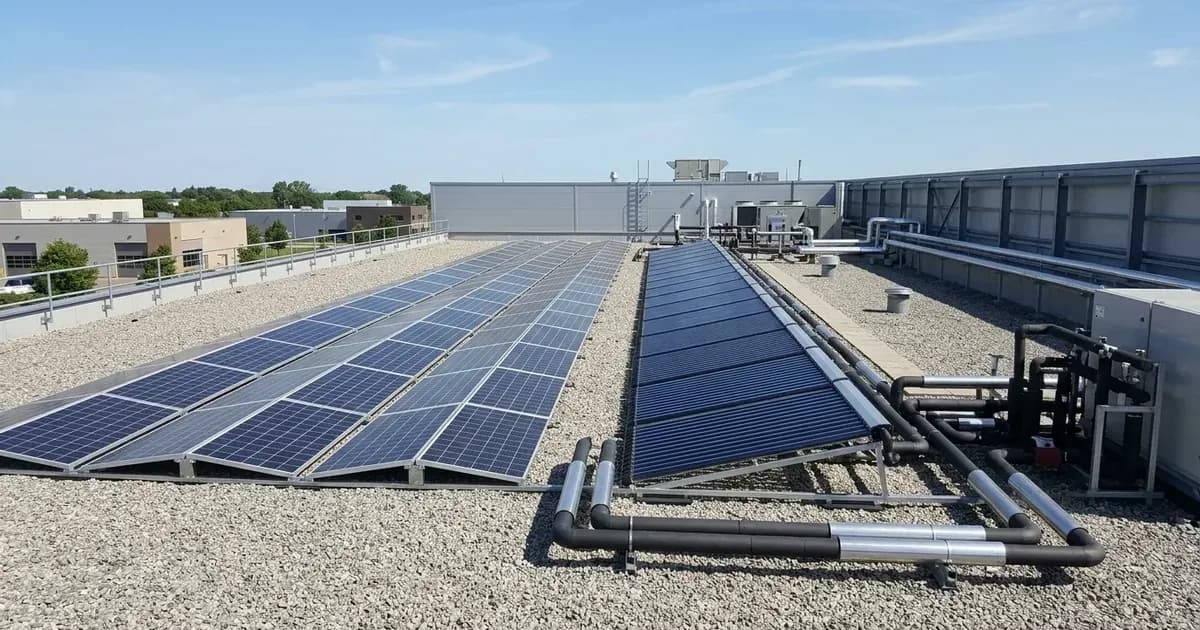
Key Takeaways
- 26 CFR 1.48-9 defines solar energy property for the Section 48 investment tax credit.
- Eligible property includes equipment for electricity generation, heating/cooling, and process heat.
- Passive solar building elements and general HVAC distribution are generally not eligible.
- Property must be depreciable with a useful life of 3 or more years and properly documented.
Understanding 26 CFR 1.48-9: Defining Solar Energy Property
Treasury Regulation 26 CFR § 1.48-9 provides the official federal tax definition for energy property categories that qualify for the Section 48 investment tax credit. This regulation specifically details what constitutes solar energy property, including equipment that uses solar energy to generate electricity, to heat or cool a structure, to provide hot water, or to provide solar process heat. It establishes statutory definitions that distinguish active solar systems, industrial process heat applications, and structural heating/cooling systems from ineligible building components.
Eligible Solar Energy Property Categories
The regulation specifies several categories of equipment that qualify as solar energy property. This includes systems designed for electricity generation, heating and cooling structures, and providing process heat.
Electricity Generation
Equipment that uses solar energy to generate electricity is eligible. This primarily refers to photovoltaic (PV) systems.
- Solar PV modules
- Mounting racking
- Inverters
- Dedicated wiring converting sunlight into electricity
Solar Thermal Heating and Cooling
This category covers equipment that uses solar energy to heat or cool a structure, or to provide hot water for use in a structure.
- Commercial solar hot water systems
- Solar thermal collectors for space heating or cooling
Industrial Process Heat Applications
Equipment using solar energy to provide industrial, agricultural, or commercial process heat is also covered. This includes applications where solar energy directly contributes to a manufacturing or production process.
- Agricultural drying
- Commercial food processing
- Chemical process heat
Ineligible Components and Common Pitfalls
Understanding what does not qualify is as important as knowing what does. The regulation aims to prevent claims on property that is not primarily dedicated to solar energy functions.
Symptom detail | Likely cause | Fix |
|---|---|---|
Claiming Section 48 credit on structural components | Ineligible Building Component: Attempting to claim Section 48 credit on structural components that do not constitute dedicated solar energy property. | Ensure claimed property is dedicated solar energy equipment, not passive solar building elements. |
Claiming credit on general facility HVAC distribution | Non-Qualifying Heat Distribution: Claiming credit on general facility HVAC distribution pipes that are not part of dedicated solar process heat equipment. | Limit claims to dedicated solar process heat equipment and its direct components. |
Including non-qualifying auxiliary heating equipment in basis | Miscalculating depreciable basis by including non-qualifying auxiliary heating equipment not powered by solar energy. | Exclude auxiliary heating equipment not powered by solar energy from the depreciable basis calculation. |
Claiming credit on passive solar building elements | Claiming Section 48 solar energy property credit on passive solar building elements that serve primarily structural functions. | Focus claims on active solar systems and dedicated solar energy property. |
Failing to substantiate process heat equipment criteria | Failing to substantiate that solar process heat equipment meets technical operational temperature and heat transfer criteria. | Retain detailed engineering specifications and thermal output ratings for process heat equipment. |
Documentation and Compliance Requirements
To successfully claim the Section 48 investment tax credit, taxpayers must meet specific documentation and compliance standards.
Statutory Authority
The authority for these definitions and requirements comes from 26 CFR § 1.48-9, which is part of the Internal Revenue Code Section 48.
Depreciable Property Requirement
For property to be eligible, it must be depreciable or amortizable with a useful life of 3 or more years. This means the property must be used in a trade or business or for the production of income.
Placed-in-Service Standard
The property must be placed in service by the taxpayer during the taxable year for which the credit is claimed, in an eligible trade or business.
Required Documentation
You must maintain detailed records to substantiate your claim:
- Detailed engineering specifications, thermal output ratings, and electrical single-line diagrams.
- Equipment vendor invoices and commissioning reports.
- Documentation proving the property was placed in service.
Filing
The credit is claimed by filing IRS Form 3468 (Investment Credit) attached to your annual federal income tax return.
Safety Considerations for Solar Installations
While this guide focuses on the tax regulations for solar energy property, the physical installation and operation of such systems require strict adherence to safety standards.
- Mechanical Integrity: Verify mechanical structural anchoring for rooftop solar collectors and industrial process heat piping. Ensure all components are securely installed to withstand environmental factors.
- Thermal Systems: Implement over-temperature and pressure relief protection on solar thermal and process heat fluid loops. This prevents dangerous conditions due to excessive heat or pressure buildup.
- Electrical Systems: Follow NFPA 70 / National Electrical Code standards for all solar PV electrical balance of system components. This includes proper wiring, grounding, overcurrent protection, and disconnection means to prevent electrical hazards.
When to Consult a Tax Professional
Navigating federal tax regulations can be complex. While this guide provides an overview of 26 CFR 1.48-9, it is not a substitute for professional tax advice.
- Complex Projects: For large-scale commercial or industrial solar projects, or those with unique financing structures, a tax professional can ensure all aspects of the Section 48 credit are correctly applied.
- Basis Calculation: Determining the correct depreciable basis, especially when auxiliary equipment or non-qualifying components are involved, can be intricate. A professional can help avoid miscalculations.
- Evolving Regulations: Tax laws and interpretations can change. A tax professional stays current with the latest guidance from the IRS and Treasury Department.
- Audit Preparedness: In the event of an IRS audit, having a tax professional who understands your project and the relevant regulations can be invaluable.
For further information on related tax credits and regulations, you may find our guides on US IRS 26 CFR 1.48-14 Interconnection and Retrofitted Energy Property Guide and US IRS 26 CFR 1.48-13 Prevailing Wage and Apprenticeship Guide helpful. Additionally, understanding the differences between Clean Energy Tax Credits Section 25D vs Section 48 Guide can clarify which credit applies to your specific situation.
Frequently asked questions
What does 26 CFR 1.48-9 define?
It defines solar energy property as equipment that uses solar energy to generate electricity, to heat or cool a structure, or to provide solar process heat for the Section 48 investment tax credit.
What types of solar energy property are covered?
Covered property includes equipment for electricity generation, solar thermal heating and cooling, and industrial process heat applications. This includes solar PV modules, commercial solar hot water systems, and agricultural drying equipment.
Can I claim the Section 48 credit for passive solar building elements?
No, you cannot claim the Section 48 credit on passive solar building elements that primarily serve structural functions. The property must be dedicated solar energy equipment.
What is required for property to be eligible for the Section 48 credit?
The property must be depreciable or amortizable with a useful life of 3 or more years. It must also be placed in service by the taxpayer during the taxable year in an eligible trade or business.
What documentation is needed to claim the credit?
You need to maintain detailed engineering specifications, thermal output ratings, and electrical single-line diagrams. Retain equipment vendor invoices, commissioning reports, and placed-in-service documentation, and file IRS Form 3468.
References
- 26 CFR § 1.48-9 — accessed 23 August 2026
Related guides
More from schemes, subsidies & financing.