US IRS Notice 2023-29 Energy Community Bonus Credit Guide
Updated 18 September 2026 · By SolarNevs Research Desk, Dealer surveys + verified sources · 1 source · Method ↗
Key Takeaways
- The Energy Community Bonus Credit adds 10 percentage points to investment tax credits or a 10 percent increase to production tax credits.
- Qualification depends on locating clean energy projects in Brownfield, Statistical Area, or Coal Closure communities as defined by IRS Notice 2023-29.
- Accurate verification of census tract data and project location is critical for claiming the bonus.
- Inadequate documentation or using outdated data can lead to disqualification; always consult official IRS and DOE mapping tools.
What is the IRS Energy Community Bonus Credit?
The Energy Community Bonus Credit is a federal tax incentive established under the Inflation Reduction Act of 2022. It provides an additional credit for clean energy projects located in specific geographic areas designated as "energy communities." For Section 48 / 48E investment tax credits, this bonus adds 10 percentage points to the base rate. For Section 45 / 45Y production tax credits, it provides a 10 percent credit increase. This guidance, detailed in IRS Notice 2023-29, outlines the statutory rules, definitions, and qualification standards.
How to Qualify: Understanding the Three Categories
To claim the Energy Community Bonus Credit, your clean energy project must be located within one of three defined energy community categories. Understanding the specific criteria for each is essential for qualification.
Category 1: Brownfield Category
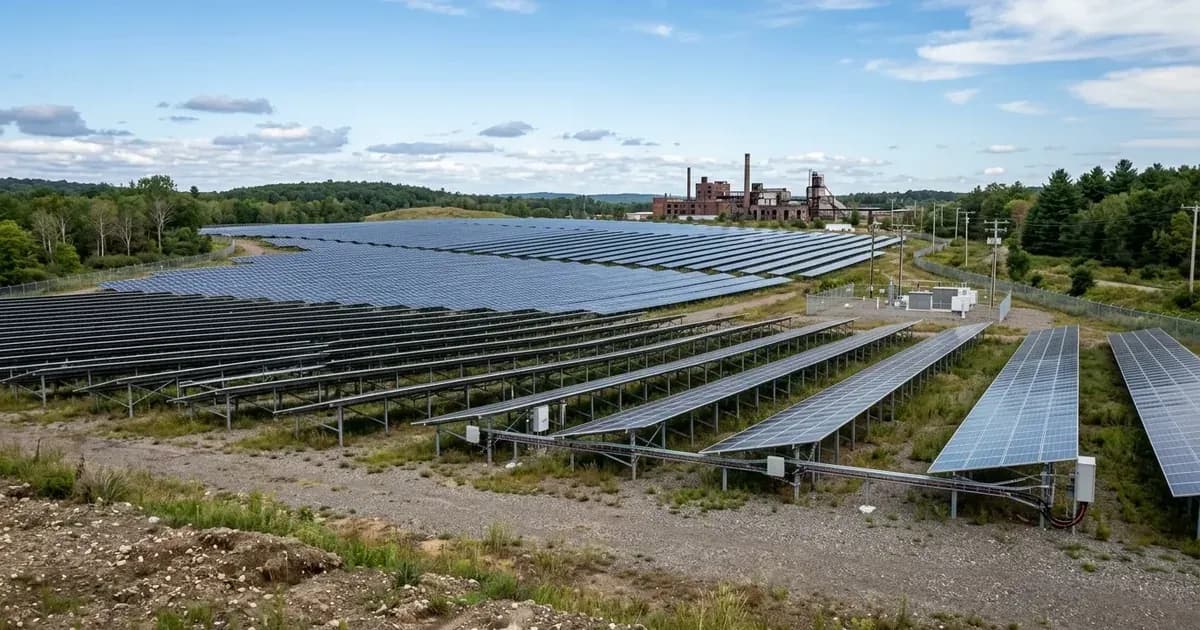
This category includes land defined as a brownfield site under CERCLA § 101(39) (42 U.S.C. 9601(39)). These are sites where the expansion, redevelopment, or reuse may be complicated by the presence or potential presence of a hazardous substance, pollutant, or contaminant.
- Verification: Retain ASTM E1527 Phase I Environmental Site Assessments to confirm environmental contamination and remediation efforts.
- Safety Note: Conduct specialized geotechnical assessments before installing solar mounting piles on remediated brownfield soils. Ensure proper environmental encapsulation and ground membrane protection on landfill solar installations.
Category 2: Statistical Area Category
This category applies to metropolitan or non-metropolitan areas that meet specific economic criteria. A project qualifies if located in an area with:
- At least 0.17 percent direct fossil fuel employment, or
- At least 25 percent local tax revenues from fossil fuels.
- Additionally, the area must have an unemployment rate at or above the national average unemployment rate for the previous year.
- Verification: Document annual fossil fuel employment and county unemployment data published by the Bureau of Labor Statistics (BLS).
Category 3: Coal Closure Category
This category focuses on communities historically impacted by the decline of coal industries. It includes a census tract where:
- A coal mine closed after December 31, 1999, or
- A coal-fired generating unit retired after December 31, 2009.
- Adjoining Tracts: Directly adjoining census tracts also qualify equally under the Coal Closure Category.
- Verification: Query official Department of Energy (DOE) and IRS Energy Community mapping tools for project census tract FIPS codes.
Project Location Rules and Documentation
Beyond meeting category definitions, projects must satisfy specific location requirements and maintain thorough documentation.
Facility Location Test
For a project to qualify, at least 50 percent of the energy community project's nameplate capacity or square footage must be located within an energy community tract. This ensures that the project has a substantial connection to the designated community.
Essential Documentation
- Census Tract Verification: Use official DOE and IRS Energy Community mapping tools to identify and verify the FIPS codes of your project's census tract.
- Brownfield Assessments: For Brownfield Category projects, keep ASTM E1527 Phase I Environmental Site Assessments confirming the site's brownfield status.
- Economic Data: For Statistical Area Category projects, maintain records of annual fossil fuel employment and county unemployment data from the Bureau of Labor Statistics (BLS).
- Audit Defense: Retain official DOE census tract verification certificates for federal tax credit audit defense.
Common Pitfalls and How to Avoid Them
Failing to meet the precise requirements of IRS Notice 2023-29 can result in the loss of the bonus credit. Be aware of these common mistakes:
- Ineligible Census Tract Location: Siting a clean energy facility in a census tract that does not satisfy brownfield, coal closure, or statistical area criteria. Always verify the exact tract using official tools.
- Outdated Unemployment Data: Relying on prior-year unemployment figures after updated annual county/MSA data has been released. Ensure you use the most current data available from the BLS.
- Failing to Verify Adjoining Tracts: Assuming an adjoining census tract qualifies under the Coal Closure category without official verification. The "adjoining census tract rule" must be explicitly met.
- Inadequate Documentation: Not having sufficient documentation, such as Phase I/II Environmental Site Assessments for Brownfield category qualification, can lead to disqualification during an audit.
- Siting Across Multiple Tracts Incorrectly: Siting a project across multiple tracts without ensuring at least 50 percent of the facility's square footage or nameplate capacity is located in the energy community.
For additional guidance on related tax credits, you may refer to our guides on US IRS Notice 2023-38 Domestic Content Bonus Credit Guide and US IRS 26 CFR 1.48-13 Prevailing Wage and Apprenticeship Guide.
Safety Considerations for Energy Community Projects
While this guide focuses on tax credits, projects built on certain energy community sites, particularly brownfields and landfills, require specific safety precautions during development and installation.
- Geotechnical Assessments: Conduct specialized geotechnical assessments before installing solar mounting piles on remediated brownfield soils. This ensures structural integrity and prevents disturbance of encapsulated contaminants.
- Environmental Protection: Ensure proper environmental encapsulation and ground membrane protection on landfill solar installations. This prevents leachate migration and protects workers from potential hazards.
When to Consult a Tax Professional
The rules governing federal tax credits, especially those under the Inflation Reduction Act, can be complex. While this guide provides an overview of IRS Notice 2023-29, it is not a substitute for professional tax advice.
You should consult a qualified tax professional or legal counsel when:
- Your project involves complex site configurations or multiple census tracts.
- You are unsure about the interpretation of specific statutory definitions or thresholds.
- You need assistance with preparing and submitting documentation for tax credit claims.
- There are any ambiguities regarding your project's eligibility under the Brownfield, Statistical Area, or Coal Closure categories.
- You require assistance with federal tax credit audit defense.
Frequently asked questions
What is the Energy Community Bonus Credit?
The Energy Community Bonus Credit provides an additional 10 percentage points for Section 48 / 48E investment tax credits or a 10 percent credit increase for Section 45 / 45Y production tax credits. This bonus applies to clean energy projects located in designated energy communities.
What are the three categories of Energy Communities?
The three statutory categories are the Brownfield Category, the Statistical Area Category, and the Coal Closure Category. Each category has specific criteria defined by IRS Notice 2023-29.
How does a project qualify under the Statistical Area Category?
A project qualifies if located in a metropolitan or non-metropolitan area with at least 0.17 percent direct fossil fuel employment or at least 25 percent local tax revenues from fossil fuels, and an unemployment rate at or above the national average for the previous year.
What defines a Coal Closure Energy Community?
A Coal Closure Energy Community includes a census tract where a coal mine closed after December 31, 1999, or a coal-fired generating unit retired after December 31, 2009. Directly adjoining census tracts also qualify under this category.
What is the Facility Location Test for projects in Energy Communities?
For a project to qualify, at least 50 percent of its nameplate capacity or square footage must be located within an energy community tract. This test ensures the project significantly benefits the designated community.
References
- IRS Notice 2023-29 — accessed 23 August 2026
Related guides
More from schemes, subsidies & financing.