Smart Export Guarantee Supplier Rules and Tariffs in Great Britain
Updated 18 September 2026 · By SolarNevs Research Desk, Dealer surveys + verified sources · 2 sources · Method ↗
Key Takeaways
- Larger electricity suppliers in Great Britain are legally required to offer Smart Export Guarantee (SEG) tariffs.
- The rate paid for exported electricity must always be above zero pence per kilowatt-hour.
- You need an advanced smart meter that records and transmits half-hourly export data.
- You can choose different suppliers for your imported and exported electricity.
What is the Smart Export Guarantee (SEG)?
The Smart Export Guarantee (SEG) is a government-backed scheme in Great Britain, administered by Ofgem, that ensures small-scale renewable electricity generators receive payment for the electricity they export to the grid. It replaced the previous Feed-in Tariff (FiT) scheme for new installations. The SEG creates a legal obligation for certain electricity suppliers to offer export tariffs.
The scheme applies to eligible generators located in England, Scotland, and Wales. It does not extend to Northern Ireland, which operates under separate arrangements.
Who must offer Smart Export Guarantee tariffs?
Not all electricity suppliers are required to offer SEG tariffs. The obligation applies to larger companies. Licensed electricity suppliers with 150,000 or more domestic customers are legally obligated to offer a Smart Export Guarantee (SEG) tariff. Smaller suppliers may offer tariffs voluntarily, but they are not required to do so by law.
These obligated suppliers must report annual export volumes, customer numbers, and total payments to Ofgem for compliance auditing.
How are SEG tariffs set, and what must they be?
Ofgem does not set the specific rates for SEG tariffs. Instead, suppliers are free to determine export tariff rates, contract length, and other terms. However, a key legal requirement is that the price paid per kilowatt-hour must always remain greater than zero at all times. This means that, unlike wholesale market fluctuations, a SEG tariff must never charge an exporter for electricity exported to the grid.
Because suppliers set their own rates, the amount you can earn for your exported electricity will vary between different energy companies. Some suppliers may offer fixed flat rates, while others might provide flexible or dynamic rates that change based on the time of day or wholesale electricity prices.
To find the best tariff for your circumstances, you should compare the offerings from different SEG licensees. Ofgem maintains a list of obligated suppliers on its website, which can help you identify companies offering SEG tariffs.
What are the technical requirements for your installation?
To be eligible for SEG payments, your renewable electricity generation system must meet specific criteria.
Requirement Area | Specification / Rule | Details |
|---|---|---|
Standard Generation (Solar PV, Wind) | Up to 5MW Capacity | Eligible for small-scale generators across England, Scotland, and Wales |
Micro-CHP Systems | Up to 50kW Capacity | Lower capacity ceiling for micro combined heat and power |
Export Metering | Half-Hourly Smart Meter | Must record export at half-hourly intervals and communicate remotely |
Co-located Battery Storage | Green Generation Metering | Eligible when storage exports power derived from eligible generation |
Supplier Selection | Independent Import / Export | Exporters can use separate suppliers for import consumption and export sales |
Capacity Limits
The SEG applies to renewable generation technologies, including solar PV, wind, and micro-CHP, with a total capacity of up to 5 megawatts (5MW). For micro combined heat and power (micro-CHP) installations, the qualifying system capacity limit is capped at 50 kilowatts (50kW).
Metering Requirements
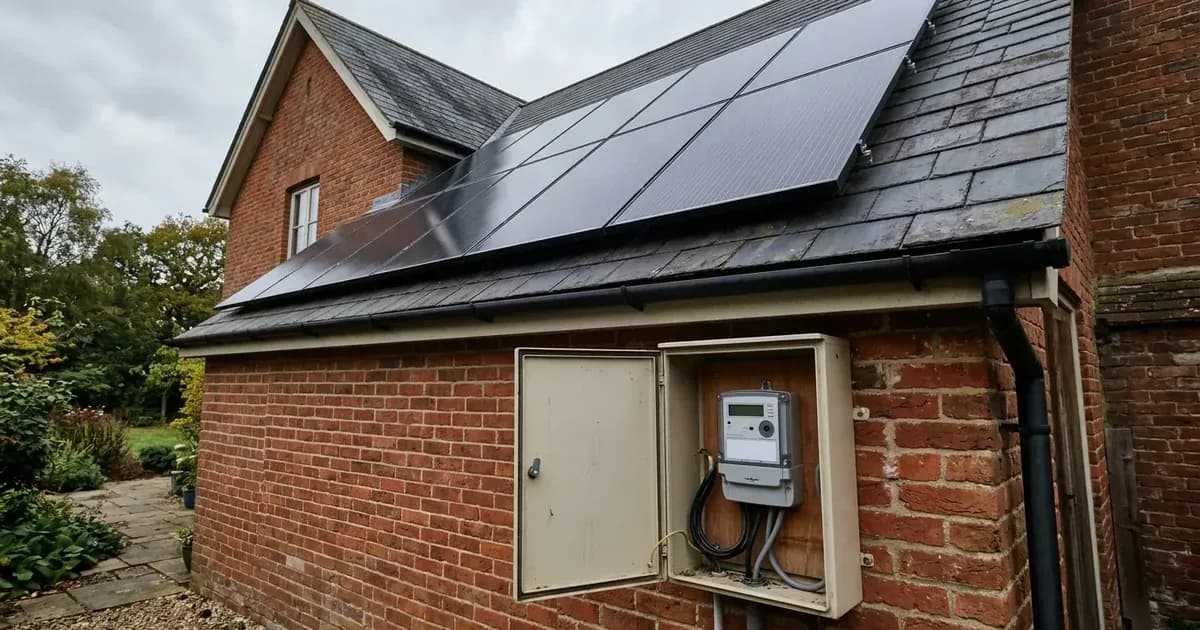
A crucial requirement for receiving SEG payments is the installation of an advanced smart meter. To receive SEG payments, the installation must have an advanced half-hourly export meter capable of measuring exported power. This meter must record electricity exports at half-hourly intervals and communicate data remotely to the energy supplier. This ensures accurate billing and payment for the exact amount of electricity you send to the grid.
Can you choose different suppliers for import and export?
Yes, you have flexibility in how you manage your electricity supply. Exporters have the legal right to purchase import electricity from one supplier while selling exported electricity to a different SEG licensee. This allows you to choose the best deal for both your imported electricity consumption and your exported generation, potentially maximising your savings and earnings.
What about battery storage systems?
Energy storage systems, such as batteries, are increasingly common alongside solar PV installations. The SEG rules accommodate these systems. Energy storage systems (batteries) co-located with solar PV qualify for SEG payments if appropriate green generation metering is established. This means that if your battery stores electricity generated by your eligible renewable system and then exports it, you can receive SEG payments for that exported energy, provided the metering can accurately differentiate it.
What you can check yourself, and what you cannot
As a homeowner, you can check your smart meter readings and compare SEG tariff rates offered by different suppliers. You can also ensure your generation system's capacity falls within the SEG limits (up to 5MW, or 50kW for micro-CHP).
However, you cannot install or modify your smart meter yourself. The installation and maintenance of advanced half-hourly export meters must be carried out by qualified and accredited professionals. Any issues with meter communication or accuracy should be reported directly to your energy supplier or meter operator. Changing your meter or its settings without authorisation can invalidate your SEG agreement and potentially create safety hazards.
What the published sources do not tell you
While Ofgem sets the regulatory framework for the Smart Export Guarantee, it does not publish specific tariff rates. The actual rates, contract lengths, and terms vary significantly between individual electricity suppliers. This means you will need to actively compare offerings from different SEG licensees to find the best deal for your exported electricity.
Additionally, the precise technical specifications for "appropriate green generation metering" for co-located storage systems are often detailed in individual supplier terms and conditions, rather than in the overarching Ofgem guidance. These details can influence how your battery system is integrated into the SEG payment structure.
Frequently asked questions
What is the Smart Export Guarantee (SEG)?
The Smart Export Guarantee (SEG) is an Ofgem-administered scheme that legally obligates larger electricity suppliers in Great Britain to pay small-scale renewable electricity generators for the power they export to the grid.
Which electricity suppliers must offer SEG tariffs?
Licensed electricity suppliers with 150,000 or more domestic customers are legally obligated to offer a Smart Export Guarantee (SEG) tariff.
Can my SEG export tariff be zero or negative?
No, suppliers are free to determine export tariff rates, but the price paid per kilowatt-hour must always remain greater than zero at all times. SEG tariffs must never charge an exporter for electricity exported to the grid.
What kind of meter do I need for the Smart Export Guarantee?
To receive SEG payments, your installation must have an advanced half-hourly export meter capable of measuring exported power. This meter must record electricity exports at half-hourly intervals and communicate data remotely to your energy supplier.
Can I use different suppliers for my imported and exported electricity?
Yes, exporters have the legal right to purchase import electricity from one supplier while selling exported electricity to a different SEG licensee.
References
- Ofgem Smart Export Guarantee Guidance for Generators — accessed 27 August 2026
- Ofgem SEG Licensee Supply Obligations — accessed 27 August 2026
Related guides
More from schemes, subsidies & financing.