Ofgem SEG Annual Report Data: Solar Generation, Exports & Payments
Updated 18 September 2026 · By SolarNevs Research Desk, Dealer surveys + verified sources · 2 sources · Method ↗
Key Takeaways
- Statutory reporting by Ofgem reveals licensed electricity suppliers disbursed £7,193,527 in total export payments to small-scale generators during 2022-23.
- Annual financial payments to generators surged by 77% year-on-year, up from £1,664,969 recorded during the 2021-22 baseline period.
- Total low-carbon electricity physically exported to the National Grid expanded to 77.3 GWh, more than tripling the 24.4 GWh recorded in Year 2.
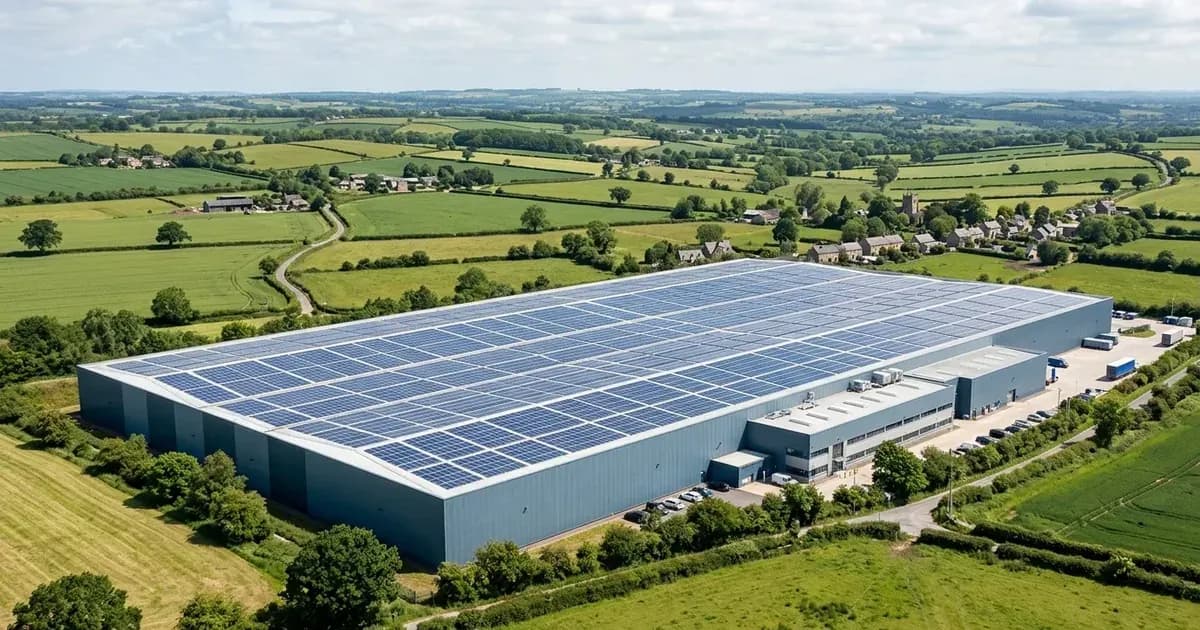
- Rooftop solar PV represents 99.97% of all accredited installations under the scheme, encompassing 92,916 registered systems and 495,832 kW of clean capacity.
How Has the Smart Export Guarantee Expanded Under Ofgem Regulation?
The Smart Export Guarantee (SEG) is a government-backed initiative that enables small-scale low-carbon electricity generators in Great Britain to receive payments from electricity suppliers for the electricity they export to the National Grid. Enacted under the Smart Export Guarantee Order 2019, the mechanism came into formal regulatory force on 1 January 2020. Administered by Ofgem on behalf of the Department for Energy Security and Net Zero (DESNZ), the scheme requires annual monitoring and public reporting of all licensee activities, generator registrations, export volumes, and financial disbursements.
Ofgem's annual statutory reports document explosive expansion in small-scale export participation across England, Scotland, and Wales. During SEG Year 3 (covering 1 April 2022 to 31 March 2023), a total of 92,946 installations were registered to a SEG tariff. This represented an extraordinary single-year increase of 58,926 installations compared to the 34,020 installations reported during the 2021-22 annual cycle.
The rapid scaling of the scheme reflects consumer adoption of decentralized microgeneration in response to retail energy price volatility. In aggregate, the 92,946 registered installations possessed a combined Total Installed Capacity of 496.0 MW. To illustrate the national significance of this decentralized generation, Ofgem notes that this capacity of solar PV is enough to power 155,813 typical three bed houses for a year.
What Are the Financial Disbursements and Export Volumes Recorded?
Under Standard Licence Condition 57, licensed electricity suppliers holding 150,000 or more domestic accounts are designated Mandatory Licensees and must remunerate registered generators for every kilowatt-hour of electricity physically metered and exported.
The financial data captured across all licensed suppliers demonstrates substantial revenue delivery to microgenerators:
- Total Annual Disbursements: Payments totalling £7,193,527 were paid out to SEG generators in 2022-23. This is an increase of 77% compared to £1,664,969 payments made in 2021-22.
- Physical Export Expansion: Registered installations delivered 77.3 GWh of low-carbon electricity into local distribution networks. Ofgem contextualizes this milestone by noting that 77.3 GWh is enough to make approximately 1.85 billion cups of tea.
- Year-on-Year Growth: Exported volume grew from 24.4 GWh in 2021-22 to 77.3 GWh in 2022-23.
Regulatory Scheme Metric | SEG Year 2 (2021-22 Baseline) | SEG Year 3 (2022-23 Reporting) | Scheme Growth / Share |
|---|---|---|---|
Total Registered Installations | 34,020 installations | 92,946 installations | 58,926 annual additions |
Combined Total Installed Capacity | Baseline capacity recorded | 496.0 MW capacity | Powers 155,813 homes |
Total Licensed Supplier Disbursements | £1,664,969 | £7,193,527 | 77% annual payout increase |
Low-Carbon Electricity Exported | 24.4 GWh | 77.3 GWh | 1.85 billion cups of tea |
Solar PV Registered Installations | Baseline solar systems | 92,916 installations | 99.97% scheme share |
Solar PV Installed Capacity | Baseline kW capacity | 495,832 kW capacity | Over 99.9% capacity share |
Why Does Solar PV Dominate the UK Microgeneration Mix?
While the statutory legislation explicitly allows five distinct low-carbon technologies to participate in the SEG—solar photovoltaic (PV), onshore wind, anaerobic digestion (AD), hydro, and micro-combined heat and power (micro-CHP)—Ofgem's data proves that the regime is overwhelmingly a solar phenomenon.
Statutory records confirm that solar PV made up more than 99.9% of installations registered (92,916) and installed capacity (495,832 kW) on the SEG in Year 3. Specifically, 92,916 (99.97%) were solar PV installations with a total capacity of 495,832 kW. By comparison, non-solar technologies represented a tiny fraction of the market:
- Anaerobic Digestion: Extremely limited domestic presence due to high capital expenditure and biomass feed requirements.
- Micro-Wind & Hydro: Constrained by site-specific geography, local planning rules, and environmental permitting.
- Micro-CHP: Minimal domestic market penetration across licensee registers.
In SEG Year 2, PV installations exported a total of 24,364 MWh of low-carbon electricity to the National Grid. By Year 3, solar PV accounted for virtually all of the 77.3 GWh of measured clean export.
Key Compliance Insights for Domestic Generators and Installers
- Meter Reading Telemetry: Payments are calculated strictly on half-hourly settlement readings delivered by automated smart meters. Properties with legacy total generation meters that lack export telemetry cannot receive SEG disbursements.
- Accreditation Continuity: Installations require MCS certification to participate under licensed supplier rules. Ensuring the installer registers the installation on the central MCS database is essential to prevent delays in securing an export MPAN.
- Supplier Switching Freedom: Generators are legally entitled to select an export tariff from any licensed supplier independently of their import supplier, allowing households to switch to higher-paying tariffs without forfeiting competitive import rates.
Frequently asked questions
How much money was paid to small-scale generators under the SEG in Year 3?
Licensed electricity suppliers paid out a total of £7,193,527 to registered SEG generators during 2022-23, representing a 77% increase over the previous year.
How much low-carbon electricity was exported under the SEG?
Registered installations exported 77.3 GWh of clean electricity to the National Grid in 2022-23, up from 24.4 GWh in 2021-22.
What proportion of SEG installations are rooftop solar PV systems?
Solar PV dominates the SEG scheme, accounting for 92,916 out of 92,946 registered installations (99.97% of all systems) and 495,832 kW of capacity.
How many homes could be powered by the registered SEG solar capacity?
The 496.0 MW of total registered capacity generates enough electricity to power approximately 155,813 typical three-bedroom houses for an entire year.
References
- Ofgem Smart Export Guarantee Annual Report Year 3 — accessed 29 August 2026
- Ofgem Smart Export Guarantee Annual Report Year 2 — accessed 29 August 2026
Related guides
More from reports & data stories.