LG&E and KU Rider NMS-2 Net Metering Tariff and Interconnection Guide
Updated 17 September 2026 · By SolarNevs Research Desk, Dealer surveys + verified sources · 1 source · Method ↗
Key Takeaways
- Rider NMS-2 applies to systems up to 45 kW.
- Exported electricity is compensated at 7.089 cents per kWh for LG&E and 7.534 cents per kWh for KU (August 2026).
- Level 1 interconnection applications have a $0 fee and a 20-business-day review timeline (August 2026).
- Unused export dollar credits roll over month-to-month.
What is LG&E and KU Rider NMS-2 Net Metering?
LG&E and KU Rider NMS-2 is a net metering tariff for customer-generators in Kentucky. It applies to solar, wind, or biomass systems up to 45 kW that connect after the transition date from legacy Rider NMS-1 (August 2026). This tariff establishes the mechanics for two-channel metering and the compensation for exported electricity. The Kentucky Public Service Commission (PSC) approved these standards under PSC Case Nos. 2020-00349 and 2020-00350.
The Rider NMS-2 framework includes specific provisions for how your energy generation and consumption are measured and credited.
Key Rider NMS-2 Provisions (August 2026)
Provision Parameter | Detail |
|---|---|
Applicability Scope | Customer-generators with solar, wind, or biomass systems up to 45 kW connecting after the transition date from legacy Rider NMS-1. |
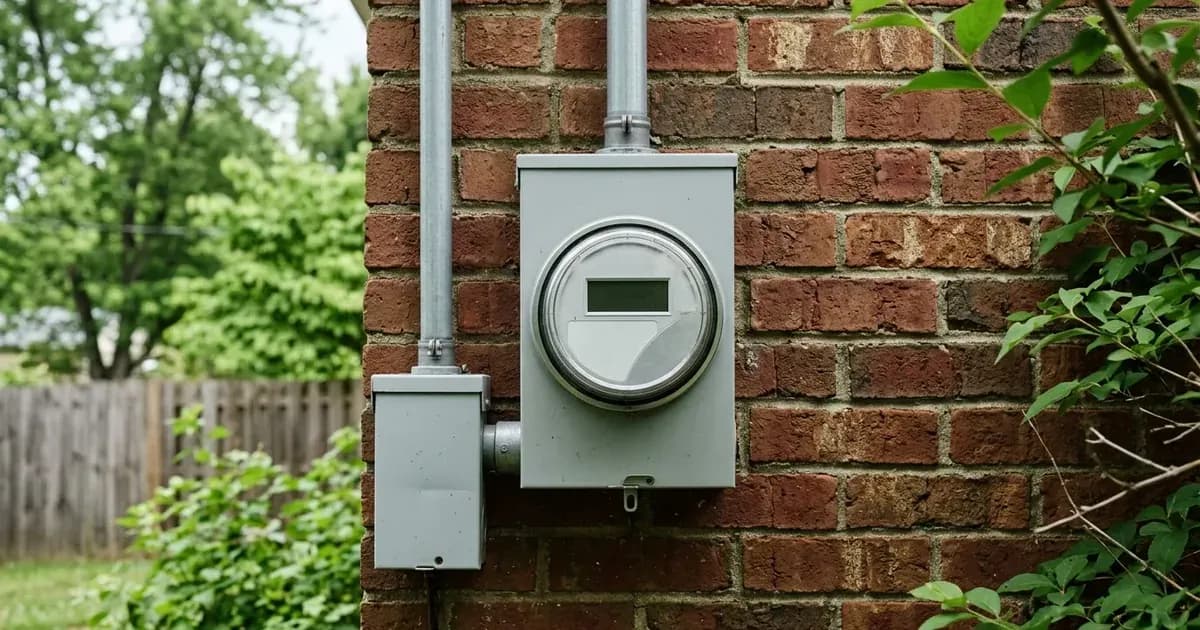
Metering Method | Two-Channel Metering: Smart meters record gross energy supplied by the utility (Channel 1) and gross energy exported to the grid (Channel 2) on a separate interval basis. |
Export Compensation | Avoided-Cost Compensation: Exported electricity is credited at PSC-approved avoided-cost rates. This is approximately 7.089 cents per kWh for LG&E and 7.534 cents per kWh for KU. |
Credit Rollover | Dollar Credit Rollover: Unused export dollar credits roll over month-to-month to offset future energy charges without annual cash forfeiture. |
Level 1 Interconnection | Level 1 Fast-Track: Systems up to 45 kW with UL 1741 / IEEE 1547 certified inverters qualify for simplified review. There is a $0 application fee. |
Utility Review Timeline | LG&E and KU must review and approve Level 1 applications within 20 business days of submission. |
Safety Hardware | A lockable, visible-break external disconnect switch located adjacent to the meter base is required for utility worker safety. |
Figures as of August 2026.
How do we verify these tariff details?
We verify these details by directly consulting the official tariff documents published by Louisville Gas and Electric (LG&E) and Kentucky Utilities (KU). Our information for this article is sourced from the "Louisville Gas and Electric (LG&E) and Kentucky Utilities (KU) Rider NMS-2" document, which outlines the net metering service-2 tariff and interconnection standards. We accessed this document on August 23, 2026. This approach ensures that the figures and provisions presented here reflect the current regulatory framework.
What are the interconnection requirements for Rider NMS-2?
Interconnection procedures for Rider NMS-2 are designed to be streamlined for smaller systems. Systems up to 45 kW with UL 1741 / IEEE 1547 certified inverters qualify for Level 1 simplified review. This Level 1 Fast-Track process includes a $0 application fee. LG&E and KU are required to review and approve these applications within 20 business days of submission (August 2026).
A key safety requirement for interconnection is the installation of a lockable, visible-break external disconnect switch. This switch must be located adjacent to the meter base. This measure ensures utility worker safety during maintenance or emergencies.
How does two-channel metering work?
Rider NMS-2 utilizes two-channel metering. This system employs smart meters that record energy flows in two distinct channels. Channel 1 records the gross energy supplied by the utility to your premises. Channel 2 records the gross energy you export to the grid. Both channels operate on a separate interval basis. This method allows for precise measurement of both consumption and export, which is critical for calculating your avoided-cost compensation.
What are the compensation rates for exported energy?
Under Rider NMS-2, exported electricity is compensated at PSC-approved avoided-cost rates. For LG&E customers, this rate is approximately 7.089 cents per kWh. For KU customers, the rate is approximately 7.534 cents per kWh (August 2026). These rates reflect the utility's avoided cost of generating or purchasing that electricity.
A significant benefit of Rider NMS-2 is the credit rollover provision. Unused export dollar credits roll over month-to-month. This allows you to offset future energy charges without an annual cash forfeiture.
What if my system is larger than 45 kW?
Rider NMS-2 has a statutory limitation: it applies to systems up to 45 kW. If your facility exceeds 45 kW, it is not eligible for Rider NMS-2. In such cases, you must apply under the Small Power Production (Rider SQF) tariff. This ensures that larger systems are evaluated under appropriate regulatory guidelines.
For more information on broader net metering regulations, you can consult our Kentucky PSC Net Metering Rules and Rider NMS Guide. If you are considering system sizing, our solar sizing tool can help estimate your needs.
What about legacy Rider NMS-1 customers?
Customers who were on the legacy Rider NMS-1 tariff maintain 1:1 netting. This applies unless they modify or expand their system capacity. Any significant changes to an existing NMS-1 system may require transitioning to the Rider NMS-2 framework. This is an important consideration if you are an existing customer planning system upgrades.
For context on other regional net metering policies, you may find our guides on Indiana IURC Excess Distributed Generation (EDG) Guide and Ohio PUC Net Metering Interconnection Guide useful.
Frequently asked questions
What is LG&E and KU Rider NMS-2?
Rider NMS-2 applies to customer-generators with solar, wind, or biomass systems up to 45 kW connecting after the transition date from legacy Rider NMS-1 (August 2026). It covers net metering tariff mechanics and interconnection rules.
How is exported energy compensated under Rider NMS-2?
Exported electricity is credited at PSC-approved avoided-cost rates, approximately 7.089 cents per kWh for LG&E and 7.534 cents per kWh for KU (August 2026).
What is two-channel metering?
Two-channel metering uses smart meters to record gross energy supplied by the utility (Channel 1) and gross energy exported to the grid (Channel 2) on a separate interval basis (August 2026).
What are the interconnection requirements for Level 1 systems?
Systems up to 45 kW with UL 1741 / IEEE 1547 certified inverters qualify for Level 1 simplified review with a $0 application fee (August 2026). A lockable external disconnect switch is required.
Do unused credits roll over with Rider NMS-2?
Yes, unused export dollar credits roll over month-to-month to offset future energy charges without annual cash forfeiture (August 2026).
References
- LG&E and KU Rider NMS-2 Tariff Document — accessed 23 August 2026
Related guides
More from schemes, subsidies & financing.