Virginia Dominion and Appalachian Power Solar Interconnection Guide
Updated 19 September 2026 · By SolarNevs Research Desk, Dealer surveys + verified sources · 1 source · Method ↗
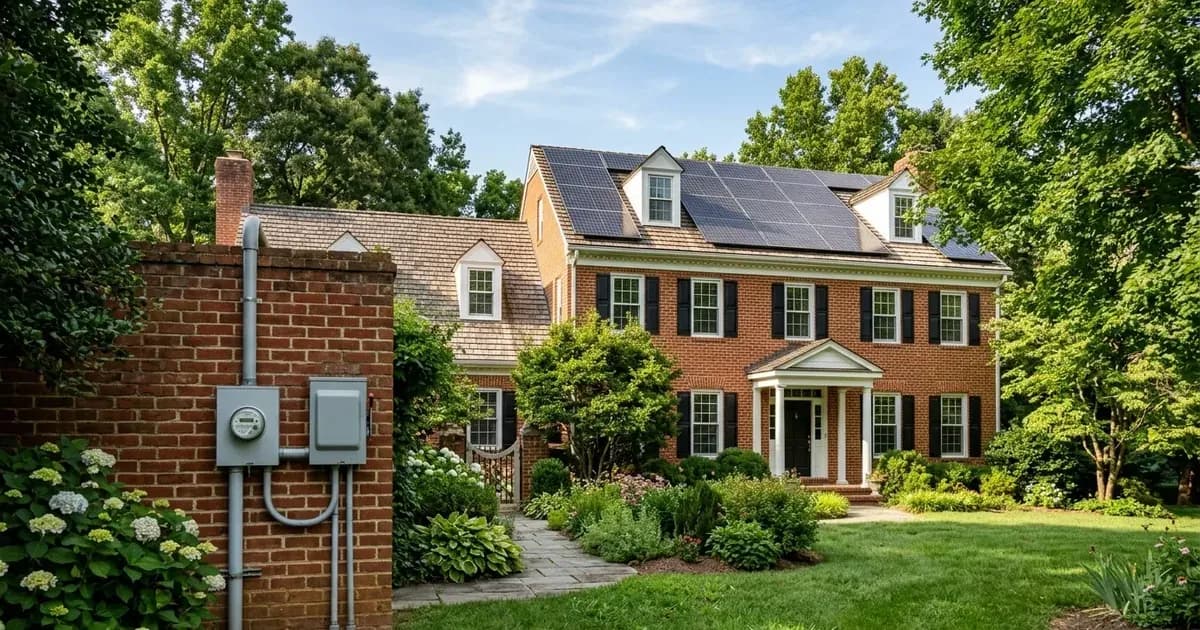
This guide outlines the regulatory framework for solar interconnection and net energy metering in Virginia, specifically as defined by Virginia Code § 56-594.01. It is important to note that the provisions detailed in this section of the Virginia Code primarily apply to electric cooperative service territories. While the title of this guide references Dominion Power and Appalachian Power, the specific regulations and rules discussed herein are drawn exclusively from Virginia Code § 56-594.01, which governs electric cooperatives. Customers of Dominion Power and Appalachian Power, which are investor-owned utilities, may be subject to different regulations and tariffs.
Understanding Net Energy Metering in Virginia Electric Cooperatives
Virginia Code § 56-594.01 establishes the framework for net energy metering for eligible customer-generators within electric cooperative service territories. This includes provisions for system capacity limits, interconnection procedures, and compensation for excess electricity.
System Capacity Limits
The capacity of your solar generating facility is subject to specific limits based on your customer type and annual energy consumption.
- Residential Customers: For facilities placed in service after July 1, 2015, the system capacity shall not exceed 20 kilowatts.
- Nonresidential Customers: For facilities placed in service after July 1, 2015, the system capacity shall not exceed one megawatt.
- Annual Energy Consumption: The capacity of any generating facility installed after July 1, 2015, must not exceed your expected annual energy consumption. This is calculated based on the previous 12 months of billing history, or an annualized calculation if 12 months of history are not available.
Interconnection Process and Requirements
Before installing an electrical generating facility, you must notify your electric service provider and receive approval to interconnect.
- Notification and Approval: You must notify your supplier and receive approval to interconnect prior to installation of an electrical generating facility.
- Review Period:
- For residential facilities, the electric distribution company has 30 days from the notification date to determine if interconnection requirements have been met.
- For nonresidential facilities, this review period is 60 days from the notification date.
- Metering Equipment: The metering equipment installed for net metering must be capable of measuring the flow of electricity in two directions.
- Safety and Performance Standards: Your electrical generating system must meet all applicable safety and performance standards. These include those established by the National Electrical Code, the Institute of Electrical and Electronics Engineers (IEEE), and accredited testing laboratories such as Underwriters Laboratories (UL).
- Interconnection Costs: As an eligible customer-generator, you are responsible for all reasonable costs associated with interconnecting to the supplier's electric distribution system. This may include costs for additional controls, tests, and liability insurance. If you are on demand charge-based time-of-use tariffs, you will also bear the incremental metering costs required for net metering.
Compensation for Excess Electricity
When your solar system generates more electricity than you consume, provisions are in place for compensation.
- Power Purchase Agreement (PPA): You will be compensated for excess electricity if you enter into a power purchase agreement with the entity receiving the electric energy. The compensation rate will be provided in a net metering standard contract or tariff approved by the Virginia State Corporation Commission, unless the parties agree to a higher rate.
- Renewable Energy Certificates (RECs): You, as the eligible customer-generator, own any renewable energy certificates associated with your electrical generating facility. You have a one-time option to sell these RECs to your supplier and be compensated at a Commission-established value when entering a power purchase agreement.
Net Metering Caps
Net energy metering is available until the total capacity of interconnected systems reaches certain percentages of the electric cooperative's system peak:
- Residential Customers: Two percent of system peak.
- Not-for-profit and Nonjurisdictional Customers: Two percent of system peak.
- Other Nonresidential Customers: One percent of system peak.
The "percent of system peak" refers to a percentage of the electric cooperative's highest total system peak within the past three years, as listed in Part O, Line 20 of Form 7 filed with the Rural Utilities Service or its equivalent. These caps shall not decrease but may increase if the system peak in any year exceeds the previous year's system peak.
Standby Charges
Residential eligible customer-generators with a facility exceeding 10 kilowatts are subject to a monthly standby charge. This charge is determined by a methodology approved by the Virginia State Corporation Commission.
Agricultural Net Metering Grandfathering
Eligible agricultural customer-generators interconnected in an electric cooperative service territory prior to July 1, 2019, will continue to be governed by § 56-594 and its regulations throughout their grandfathering period.
Third-Party Power Purchase Agreements
Any person offering a third-party partial requirements power purchase agreement in the service territory of an electric cooperative must fulfill registration requirements and comply with applicable Commission rules.
Frequently asked questions
What are the system capacity limits for residential solar installations in Virginia?
For residential customers, the capacity of an electrical generating facility placed in service after July 1, 2015, shall not exceed 20 kilowatts. This is in addition to the requirement that the system's capacity cannot exceed the expected annual energy consumption based on the previous 12 months of billing history.
How long does an electric distribution company have to review an interconnection application in Virginia?
For residential facilities, the electric distribution company has 30 days from the notification date to determine if interconnection requirements are met. For nonresidential facilities, this period extends to 60 days from the notification date.
Who owns the Renewable Energy Certificates (RECs) generated by a net-metered system in Virginia?
The eligible customer-generator owns any renewable energy certificates associated with its electrical generating facility. There is a one-time option to sell these RECs to the supplier at a Commission-established value when entering a power purchase agreement.
Are there standby charges for residential solar systems in Virginia?
Yes, any residential eligible customer-generator with a facility exceeding 10 kilowatts shall pay a monthly standby charge. This charge is determined by a methodology approved by the Virginia State Corporation Commission.
What safety standards must a solar generating system meet for interconnection in Virginia?
An eligible customer-generator's electrical generating system must meet all applicable safety and performance standards established by the National Electrical Code, the Institute of Electrical and Electronics Engineers (IEEE), and accredited testing laboratories such as Underwriters Laboratories (UL).
References
- Virginia Code § 56-594.01 — accessed 26 August 2026
Related guides
More from schemes, subsidies & financing.