Dyness Lithium Batteries in Pakistan
Updated 2 August 2026 · By SolarNevs Research Desk, Dealer surveys + verified sources · 4 sources · Method ↗
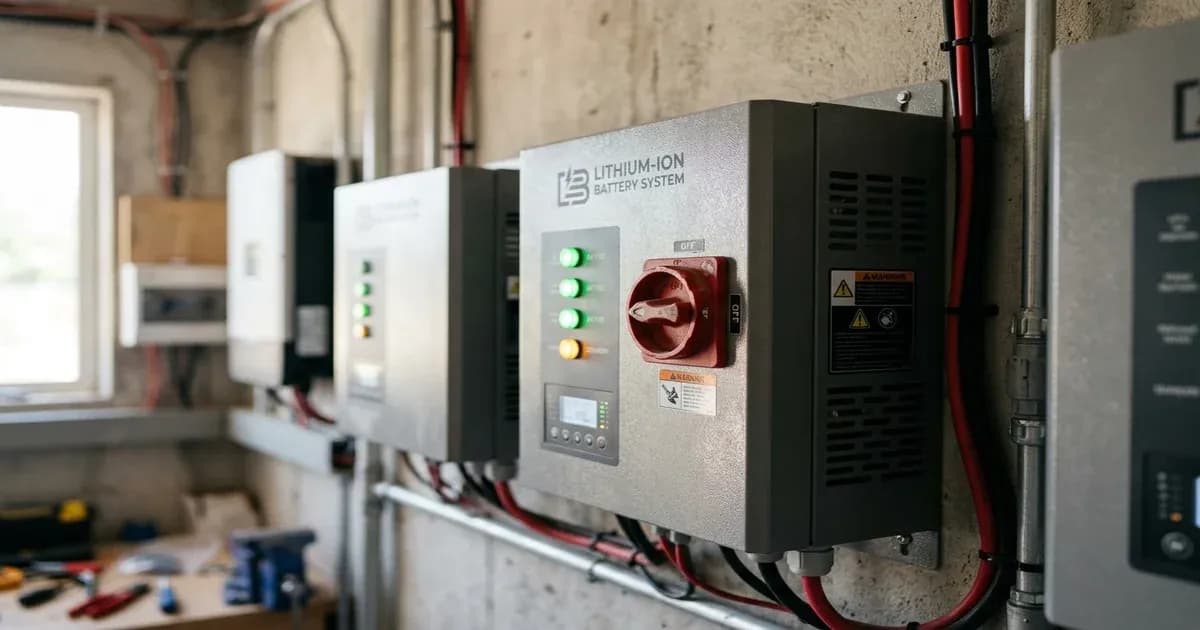
Dyness Lithium Batteries in Pakistan
{/* visual_plan. stat_block */}
Key Takeaways
- Dyness BX51100 (5.12 kWh) retails for Rs 385,000 (July 2026), while the Powerbox F-10 (10.24 kWh) costs Rs 750,000 (July 2026).
- Rated for 6,000 charge cycles at 90% depth of discharge, backed by a 10-year factory warranty.
- Features dual CAN/RS485 (July 2026) communication ports compatible with Deye, Victron, Solis, and Inverex inverters.
- Wall-mountable and rack-compatible designs allow flexible installation in small residential spaces.
What are the current Dyness lithium battery prices in Pakistan?
Dyness has become one of the most popular lithium battery brands in Pakistan due to its combination of high performance and competitive pricing. In July 2026, the Dyness BX51100 module (5.12 kWh 48V) sells for approximately Rs 385,000 (July 2026). The Dyness DL5.0C wall-mounted unit carries a similar price of Rs 390,000 (July 2026).
For larger residential properties, the Dyness Powerbox F-10 (10.24 kWh) integrated floor cabinet retails at Rs 750,000 (July 2026). Dyness products offer reliable LiFePO4 cells at a lower entry price than European brands, making them attractive for 5 kW and 10 kW hybrid solar installations. The table below outlines current prices across the Dyness model range.
Model | Capacity | Voltage & Ampere | Retail Price | Mounting Type |
|---|---|---|---|---|
A48100 | 4.8 kWh | 48V 100Ah | Rs 365,000 | 19-inch Rack |
BX51100 | 5.12 kWh | 51.2V 100Ah | Rs 385,000 | Wall / Rack |
DL5.0C | 5.12 kWh | 51.2V 100Ah | Rs 390,000 | Wall Mount |
Powerbox F-10 | 10.24 kWh | 51.2V 200Ah | Rs 750,000 | Floor Cabinet |
Figures as of July 2026.
What key technical features does Dyness provide?
Dyness batteries are constructed using Tier-1 LiFePO4 (Lithium Iron Phosphate) prismatic cells. This chemistry delivers high thermal stability, resisting thermal runaway up to 270 degrees Celsius. In Pakistani climate conditions where ambient summer temperatures frequently surpass 40 degrees Celsius, LiFePO4 chemistry guarantees safe operation without active cooling systems.
The intelligent internal BMS actively monitors cell voltages and temperatures, maintaining voltage balance across all cells during charging and discharging. The BMS supports a continuous discharge rate of 1C (100A for a 100Ah battery), enabling full nominal power output when paired with 5 kW inverters.
Dyness units include built-in DIP switches for configuring parallel communication IDs. Up to 40 modules can be connected in parallel without requiring external control units, facilitating effortless expansion from residential to commercial energy storage.
Which hybrid inverters are fully compatible with Dyness?
Dyness batteries feature pre-programmed communication protocols for smooth connection with major hybrid inverter manufacturers in Pakistan. Through standard RJ45 ports using CAN or RS485 (July 2026) protocols, Dyness connects with Deye, Victron Energy, Solis, Luxpower, and Inverex Nitrox inverters.
Establishing CAN communication allows the inverter to read accurate State of Charge (SoC) percentages directly from the battery BMS. This eliminates voltage estimation errors common in lead-acid setups, verifying that cut-off limits and charging currents adapt dynamically to cell temperature and health status.
For non-communicating off-grid inverters, Dyness can operate in voltage-sensing mode. However, installing CAN communication cables is strongly advised to maintain optimal cell balancing and preserve warranty rights.
How does Dyness battery payback calculate under net billing rules?
Under NEPRA prosumer net billing regulations, solar power exported to the utility grid receives a compensation credit of Rs 11 per kWh (July 2026). Offsetting grid imports during peak evening hours avoids electricity costs ranging between Rs 50 per kWh and Rs 65 per kWh (July 2026).
Installing a Dyness BX51100 battery costing Rs 385,000 (July 2026) permits a household to store 4.6 kWh of usable daytime solar energy for evening consumption. Saving Rs 39 per kWh (July 2026) compared to exporting energy yields daily savings of Rs 179.4 (July 2026), or approximately Rs 65,481 per year (July 2026).
With a rated cycle life of 6,000 cycles, the Dyness battery achieves complete capital payback within 5.8 years of daily operation. Over its full 15-year operational lifecycle, cumulative energy bill savings exceed Rs 900,000 (July 2026).
What are critical installation guidelines for Dyness storage units?
To verify safe operation and maximum lifespan, Dyness batteries must be installed following strict electrical standards. Mount wall units securely on solid brick or concrete walls using high-strength anchor bolts, as a single 5.12 kWh module weighs over 45 kilograms.
Use 35mm2 flexible copper battery cables equipped with crimped hydraulic lugs. Tighten terminal bolts to the specified torque rating (8 Nm) to avoid loose contacts that generate resistive heat. Always install a dedicated 125A DC circuit breaker between the battery pack and the hybrid inverter.
Keep the installation room dry, well-ventilated, and protected from direct sunlight. Maintaining room temperatures under 30 degrees Celsius preserves cell health and guarantees uninterrupted performance throughout the hot summer months.
Frequently Asked Questions
What is the price of Dyness 5.12 kWh battery in Pakistan?
The Dyness BX51100 5.12 kWh 48V lithium battery costs approximately Rs 385,000 (July 2026) in retail solar shops.
How many cycles does a Dyness lithium battery offer?
Dyness LiFePO4 batteries are rated for 6,000 cycles at 90% depth of discharge under standard operating temperatures.
Can Dyness batteries be expanded in parallel?
Yes, up to 40 Dyness battery modules can be connected in parallel to form large residential or commercial energy banks.
References
Frequently asked questions
What is the price of Dyness 5.12 kWh battery in Pakistan?
The Dyness BX51100 5.12 kWh 48V lithium battery costs approximately Rs 385,000 (July 2026) in retail solar shops.
How many cycles does a Dyness lithium battery offer?
Dyness LiFePO4 batteries are rated for 6,000 cycles at 90% depth of discharge under standard operating temperatures.
Can Dyness batteries be expanded in parallel?
Yes, up to 40 Dyness battery modules can be connected in parallel to form large residential or commercial energy banks.
References
- Dyness — accessed 25 July 2026
- Solar Citizen — accessed 25 July 2026
- W11Stop — accessed 25 July 2026
- NEPRA — accessed 25 July 2026
Related guides
More from what to buy — and how not to get cheated.