Load Shedding Schedules and Solar Sizing (UPS-Mode Design)
Updated 2 August 2026 · By SolarNevs Research Desk, Dealer surveys + verified sources · 4 sources · Method ↗
Load Shedding Schedules and Solar Sizing (UPS-Mode Design)
{/* visual_plan: stat_block */}
Key Takeaways
- NEPRA net billing framework (July 2026) establishes a buyback export tariff of Rs 11 (July 2026) per kWh.
- Unprotected residential grid imports cost between Rs 50 and Rs 65 (July 2026) per kWh.
- Pairing solar with lithium battery storage optimizes evening peak shaving and shortens payback to ~3.2 years.
- All net billing applications require AEDB-certified installer documentation and official DISCO clearance.
Introduction
Understanding the net billing regulations and DISCO processes in Pakistan is essential for optimizing solar investment returns under the 2026 NEPRA policy framework.
How does load shedding impact solar system design in Pakistan?
Grid power instability and load shedding remain operational realities across Pakistan. Distribution companies enforce scheduled and unscheduled power outages ranging from 2 to 4 hours daily in urban centers like Lahore, Karachi, and Islamabad, and extending up to 8 hours in rural feeder areas.
Traditional grid-tied solar inverters cannot operate during grid outages. To comply with anti-islanding safety rules, grid-tied inverters automatically shut down when utility power drops.
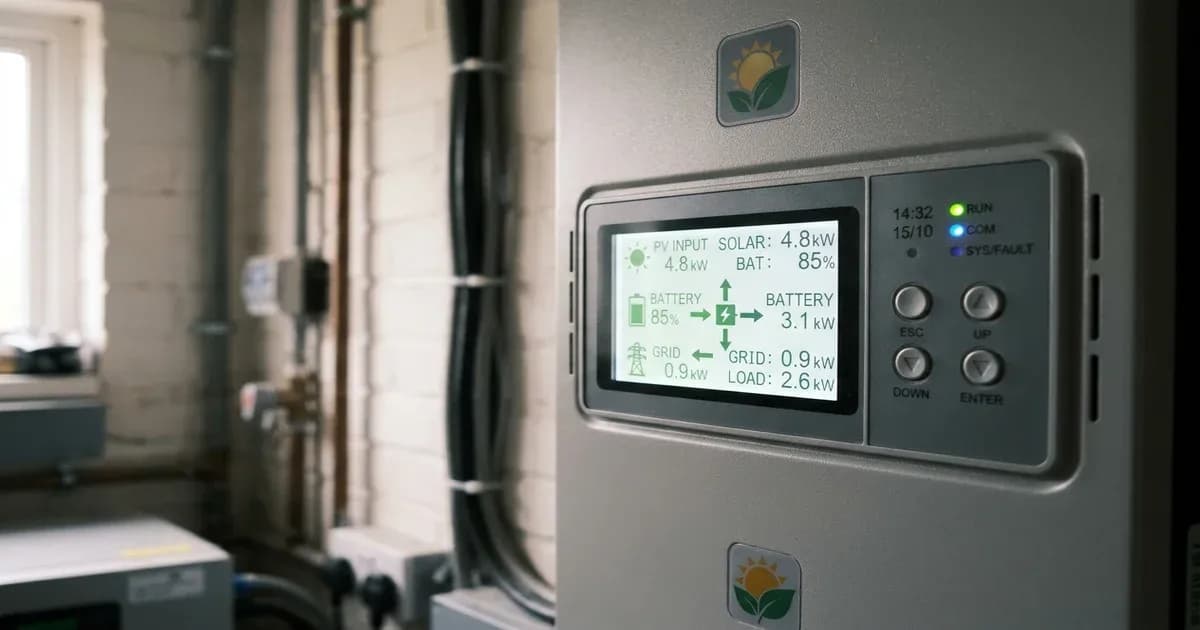
To maintain power continuity during load shedding, Pakistani prosumers install hybrid solar systems operating in UPS mode. A hybrid inverter combines solar panel generation, battery storage management, and automatic grid transfer into a single integrated unit, providing uninterrupted power during utility outages.
What is UPS-mode transfer time and why is it critical for sensitive electronics?
UPS-mode transfer time measures the delay between a grid outage occurrence and the hybrid inverter switching to battery-powered operation. Standard off-grid inverters and old lead-acid UPS units feature transfer times between 20 and 50 milliseconds, which causes desktop computers to restart, Wi-Fi routers to reset, and inverter air conditioners to trip.
Modern hybrid solar inverters carry dedicated UPS ports featuring ultra-fast transfer times under 10 milliseconds.
Inverter Technology Class | Typical Transfer Time | Operational Impact During Outage |
|---|---|---|
On-Grid Inverter | No Backup (Shuts Down) | Complete Power Interruption |
Conventional UPS / Lead-Acid | 20 - 50 Milliseconds | Computers Restart, AC Trips |
Modern Hybrid Inverter (UPS Port) | Under 10 Milliseconds | Seamless Uninterrupted Operation |
Fast transfer speeds ensure sensitive home office computers, medical devices, security systems, and inverter appliances continue running smoothly during unexpected load shedding.
How do you calculate essential load and battery storage requirements?
Sizing a UPS-mode solar system requires identifying your essential load requirement and multiplying by expected load shedding outage hours.
Step 1 - Calculate Essential Continuous Wattage List essential appliances required during power outages.
- 10 LED Lights (10W each) = 100 Watts
- 4 Inverter Ceiling Fans (30W each) = 120 Watts
- 1 Inverter Refrigerator = 200 Watts
- 1 Inverter Air Conditioner (1.5 Ton) = 1,100 Watts Total Essential Load = 1,520 Watts (1.52 kW)
Step 2 - Calculate Required Battery Capacity Multiply essential load (1.52 kW) by target outage duration (4 hours): 1.52 kW x 4 Hours = 6.08 kWh energy required.
Accounting for an 80% Depth of Discharge (DoD) safety factor on lithium batteries. 6.08 kWh / 0.80 = 7.6 kWh minimum battery capacity required.
Installing a standard 10kWh LiFePO4 battery bank priced at PKR 350,000 (July 2026) comfortably supports this load schedule.
Why do lithium batteries outperform tubular batteries for UPS-mode backup?
Choosing the right battery chemistry is vital for long-term reliability under daily load shedding schedules.
Comparing Lithium (LiFePO4) vs Tubular Batteries.
- Cycle Lifespan - LiFePO4 batteries deliver 6,000 cycles at 80% DoD (12 to 15 years of daily operation). Tubular lead-acid batteries deliver 800 to 1,200 cycles (2 to 3 years of operation).
- Charging Speed - Lithium batteries accept fast charging, reaching full capacity in 2 hours of solar generation. Tubular batteries require 8 to 10 hours of slow charging.
- Temperature Resilience - Lithium batteries operate efficiently in high summer ambient heat without thermal degradation.
- Maintenance - LiFePO4 batteries are sealed and maintenance-free. Tubular batteries require regular distilled water top-ups.
What installation steps ensure safe hybrid UPS wiring in residential distribution boxes?
Proper AC distribution wiring is necessary to isolate essential UPS loads from heavy non-essential building loads.
Hybrid UPS Wiring Best Practices.
- Separate Main DB Panel - Split your electrical panel into Essential (UPS Backup) and Non-Essential (Grid-Only) sub-panels.
- Neutral Wire Isolation - Ensure the UPS load neutral wire is properly isolated to prevent backfeeding into the utility grid.
- Install Manual Bypass Switch - Mount a 3-position rotary changeover switch allowing manual bypass of the inverter during maintenance.
- Verify Earthing Protection - Connect inverter AC ground to a copper earthing pit with resistance below 5 ohms.
Frequently Asked Questions
How fast do hybrid solar inverters transfer to UPS mode during load shedding?
Quality hybrid solar inverters feature transfer times under 10 milliseconds, ensuring uninterrupted operation for computers, lights, fans, and inverter air conditioners.
What battery capacity is needed to run 4 hours of load shedding backup?
Running a 1,500-watt continuous essential load for 4 hours requires a lithium battery storage capacity of approximately 7.5kWh to 10kWh operating at 80% Depth of Discharge.
Why do standard grid-tied solar inverters shut down during load shedding?
Grid-tied inverters shut down during power outages because anti-islanding safety features prevent feeding electricity into dead utility lines to protect line maintenance workers.
References
Frequently asked questions
How fast do hybrid solar inverters transfer to UPS mode during load shedding?
Quality hybrid solar inverters feature transfer times under 10 milliseconds, ensuring uninterrupted operation for computers, lights, fans, and inverter air conditioners.
What battery capacity is needed to run 4 hours of load shedding backup?
Running a 1,500-watt continuous essential load for 4 hours requires a lithium battery storage capacity of approximately 7.5kWh to 10kWh operating at 80% Depth of Discharge.
Why do standard grid-tied solar inverters shut down during load shedding?
Grid-tied inverters shut down during power outages because anti-islanding safety features prevent feeding electricity into dead utility lines to protect line maintenance workers.
References
- W11Stop — accessed 25 July 2026
- Solar Citizen — accessed 25 July 2026
- NEPRA — accessed 25 July 2026
- LESCO — accessed 25 July 2026
Related guides
More from sizing, net billing & installation.