Form 5695 Qualified Solar Installation Costs: A Breakdown
Updated 18 September 2026 · By SolarNevs Research Desk, Dealer surveys + verified sources · 2 sources · Method ↗
Key Takeaways
- The federal solar tax credit applies to costs for property that uses solar energy to generate electricity for use in a dwelling unit.
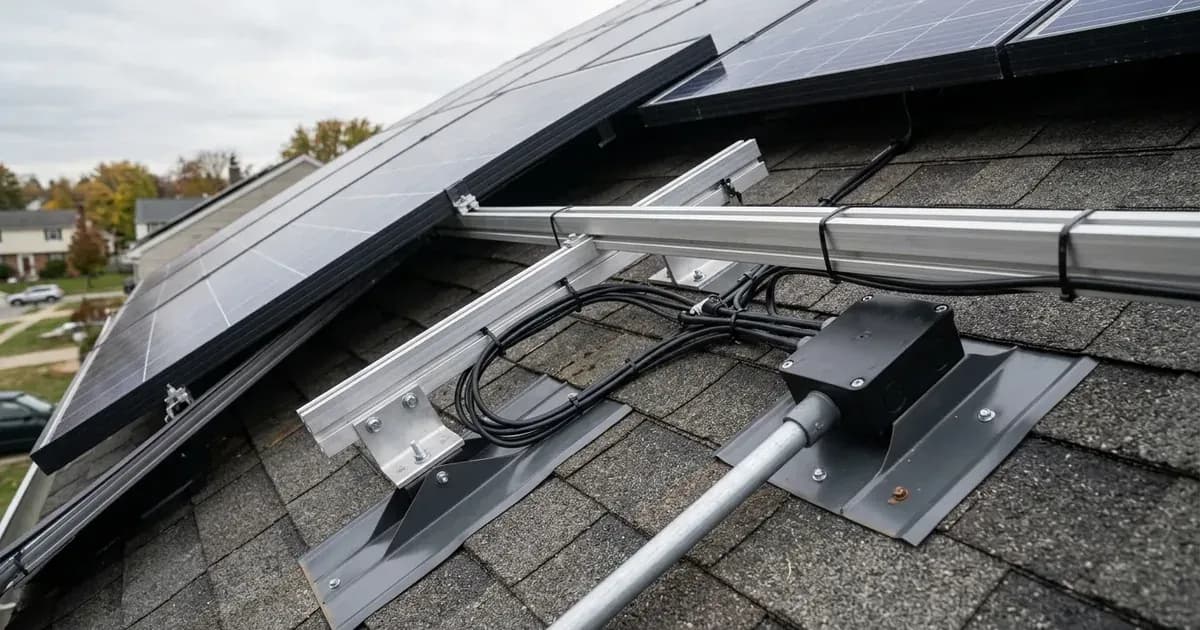
- Eligible costs include onsite preparation, mounting hardware, inverter wiring, and structural installation labour.
- Solar roofing tiles and shingles qualify, but traditional roof replacements generally do not.
- You must reduce your total expenditures by any nontaxable government subsidies or utility rebates received.
Understanding Qualified Solar Electric Property Expenditures
When claiming the federal solar tax credit, it is essential to correctly identify which costs qualify. The Internal Revenue Service (IRS) defines "qualified solar electric property expenditures" as "costs for property that uses solar energy to generate electricity for use in a dwelling unit." These are the expenses you report on Line 1 of IRS Form 5695.
The credit rate is "30% of total qualified solar installation expenditures placed in service through 2032." This article focuses on what constitutes those "total qualified solar installation expenditures."
What Costs Are Eligible for the Solar Tax Credit?
Expenditure Category | Form 5695 Eligibility | Tax Treatment & Rules |
|---|---|---|
Solar Panels & Inverter Hardware | Eligible (Line 1) | Core generation equipment and DC/AC electrical wiring |
Onsite Preparation & Labour | Eligible (Line 1) | Professional structural assembly and installation labour |
Permits & Utility Interconnection | Eligible (Line 1) | Municipal building permit fees and utility interconnection fees |
Solar Roof Tiles / Shingles | Eligible (Line 1) | Dual-function materials serving as solar generation and roofing |
Battery Coupling Hardware | Eligible (Line 1 / 5a) | DC and AC coupling hardware connecting solar to storage |
Traditional Roof Replacement | Ineligible | Standard decking, underlayment, or asphalt shingle replacement |
Third-Party Solar Lease / PPA | Ineligible | Leased systems do not qualify for homeowner Section 25D credit |
Nontaxable Subsidies & Rebates | Cost Basis Deduction | Must be subtracted from total costs before calculating 30% credit |
The IRS provides specific guidance on what can be included in your total qualified expenditures. This covers various aspects of a solar electric system installation, from the physical components to the labour involved and necessary administrative fees.
Eligible costs generally include:
- Solar panels and related equipment: The core components that generate electricity.
- Onsite preparation: Work done at your property to prepare for the solar installation.
- Mounting hardware: The systems used to secure solar panels to your roof or ground.
- Inverter wiring: The electrical connections from your solar panels to your inverter and electrical panel.
- Structural installation labour: The work performed to physically install the solar system.
- Utility interconnection fees: Charges from your utility company to connect your solar system to the grid.
- Municipal building permit fees: Costs for permits required by your local authority for the installation.
- Solar roofing tiles and shingles: If these serve as both solar generation and roofing material.
- Battery storage systems: DC and AC coupling hardware connecting solar generation to residential storage systems forms part of qualified expenditures.
Specific Cost Categories Explained
Understanding the nuances of each cost category helps ensure you claim the correct amount.
Onsite Preparation and Installation Labour
The IRS explicitly states that "eligible costs include expenditures for onsite preparation, mounting hardware, inverter wiring, and structural installation labour." This means the professional fees for workers who prepare your site, install the physical panels, connect the electrical components, and ensure structural integrity are all includable. This covers the hands-on work required to get your solar system operational.
Utility Interconnection and Permitting Fees
Connecting your solar system to the local electricity grid often involves fees from your utility company. Similarly, local governments typically require permits for such installations. The IRS confirms that "utility interconnection application fees and municipal building permit fees directly related to solar installation are included in the tax basis." These administrative costs are therefore part of your qualified expenditures.
Solar Roofing Materials
The distinction between solar-generating roofing and traditional roofing is crucial. "Solar roofing tiles and shingles qualify for the credit because they serve as both solar generation and traditional roofing." This means if your roof itself is designed to generate electricity, its cost can be included. However, "traditional roofing materials and structural roof replacements generally do not qualify, even when installed to support solar panels." If you replace your roof with standard materials simply to provide a suitable surface for solar panels, those roofing costs are typically not eligible.
Battery Storage Integration
For homeowners integrating battery storage with their solar system, the connection hardware is also eligible. "DC and AC coupling hardware connecting solar generation to residential storage systems forms part of qualified expenditures." This ensures that the necessary components for a comprehensive solar-plus-storage system are covered.
What Costs Do Not Qualify?
Just as important as knowing what qualifies is understanding what does not. Misclassifying ineligible costs can lead to issues with your tax filing.
Traditional Roofing and Structural Replacements
As noted, "traditional roofing materials and structural roof replacements generally do not qualify, even when installed to support solar panels." This rule aims to prevent homeowners from claiming the credit for routine home maintenance or improvements that are not directly related to solar energy generation.
Leased Solar Systems
If you do not own your solar energy system outright, you cannot claim the tax credit. The IRS specifies that "solar systems leased from third-party developers (PPA or solar lease) do not qualify for the homeowner tax credit under Section 25D." The credit is intended for homeowners who purchase and own their solar electric property.
How Rebates and Subsidies Affect Your Claim
It is common for homeowners to receive financial incentives for installing solar energy, such as rebates from utility companies or government subsidies. These incentives affect the amount you can claim for the tax credit.
The IRS states that "expenditures must be reduced by nontaxable government subsidies, utility rebates, or manufacturer financing incentives." This means you must subtract any such benefits from your total installation costs before calculating the 30% credit. For example, if your system costs $20,000 but you receive a $2,000 utility rebate, your qualified expenditure for the tax credit calculation is $18,000.
Carrying Forward Unused Tax Credits
It is possible that the amount of tax credit you are eligible for exceeds your tax liability in a given year. In such cases, the credit is not lost. The IRS allows you to carry forward any unused portion: "Any excess Section 25D tax credit that exceeds current year tax liability carries forward to the following tax year indefinitely." This provides flexibility, ensuring you can eventually utilise the full value of the credit.
Solar Installed on a Home Under Construction
If you are building a new home and install solar panels as part of the construction, there is a specific rule for when those expenditures are considered made. "For solar installed on a home under construction, expenditures are treated as made when taxpayer begins original use of the dwelling." This means you claim the credit in the tax year you move into your new home.
Important Considerations and Disclaimers
The information provided here is for general guidance on understanding qualified solar installation costs for IRS Form 5695. The IRS instructions are the definitive source.
This information does not constitute tax advice. Tax laws can be complex and individual circumstances vary. It is always recommended to "consult a licensed CPA or tax professional regarding specific personal tax situations, business use proration, and state income tax treatment" to ensure accurate compliance with all applicable tax regulations.
Frequently asked questions
What types of solar costs qualify for IRS Form 5695?
Qualified solar electric property expenditures cover costs for property that uses solar energy to generate electricity for use in a dwelling unit. This includes solar panels, mounting hardware, inverter wiring, and structural installation labour.
Are utility interconnection fees eligible for the solar tax credit?
Yes, utility interconnection application fees and municipal building permit fees directly related to solar installation are included in the tax basis for the credit.
Do solar roofing tiles qualify for the federal tax credit?
Solar roofing tiles and shingles qualify for the credit because they serve as both solar generation and traditional roofing. However, traditional roofing materials and structural roof replacements generally do not qualify.
How do government rebates affect my qualified solar expenditures?
Expenditures must be reduced by nontaxable government subsidies, utility rebates, or manufacturer financing incentives before calculating the tax credit.
Can I carry forward any unused solar tax credit?
Yes, any excess Section 25D tax credit that exceeds your current year tax liability carries forward to the following tax year indefinitely.
References
- IRS Form 5695 Residential Clean Energy Credit Instructions — accessed 27 August 2026
- US Department of the Treasury Clean Energy Guidance — accessed 27 August 2026
Related guides
More from schemes, subsidies & financing.