Idaho Power Schedule 84 Commercial On Site Generation Guide
Updated 17 September 2026 · By SolarNevs Research Desk, Dealer surveys + verified sources · 1 source · Method ↗
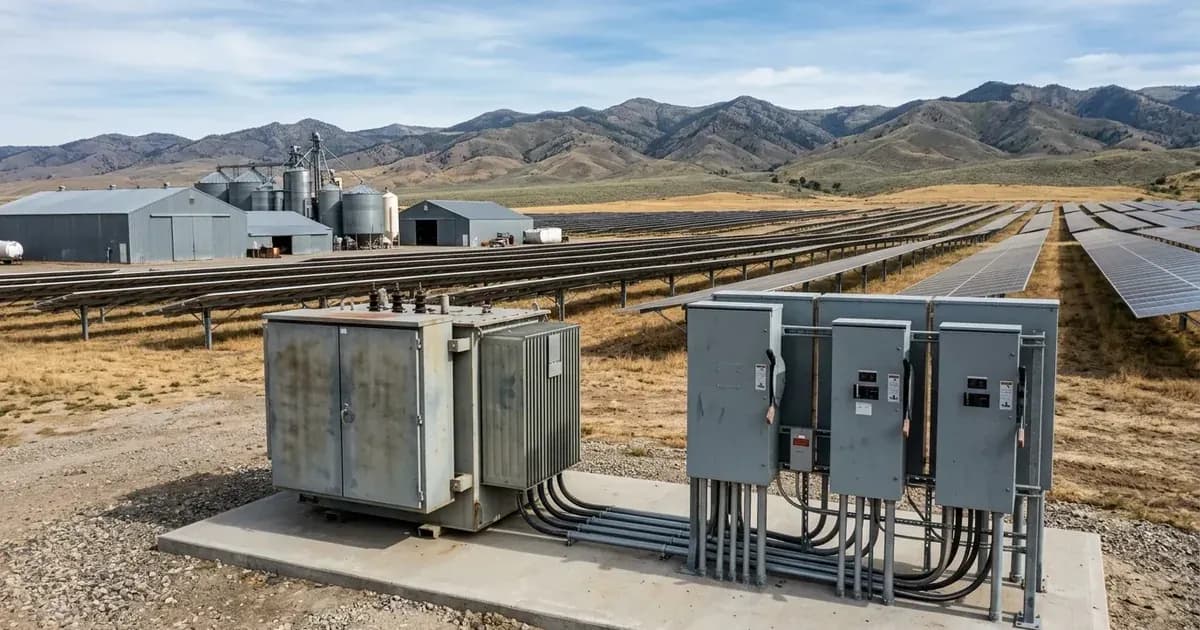
Idaho Power Schedule 84 customer on-site generation rules, single-meter net billing, Real-Time Market export credit valuations, and PUC order compliance. Understanding the regulatory and technical engineering specifications is essential for safe, compliant, and cost-effective solar energy deployment.
Key Technical Figures & Certified Specifications
The following certified technical figures and regulatory parameters govern this installation standard:
Parameter / Standard | Verified Value | Compliance Context |
|---|---|---|
Commercial customer on-site generation eligibility | Schedule 84 governs commercial, industrial, and agricultural customer generation systems up to 100kW single-phase or 1000kW three-phase. | Mandatory engineering and regulatory compliance threshold. |
Single-meter net billing export valuation | Exported energy is compensated under export credit rates determined through annual avoided-cost updates approved by the Idaho PUC. | Mandatory engineering and regulatory compliance threshold. |
Monthly aggregation and meter billing rules | Customers with multiple meters on contiguous property can aggregate export credits across eligible load accounts. | Mandatory engineering and regulatory compliance threshold. |
Technical Architecture & Engineering Best Practices
When implementing idaho power schedule 84 commercial industrial customer on-site generation, professional installers and electrical contractors must adhere strictly to statutory wiring standards, protection device coordination, and equipment manufacturer commissioning checklists.
1. Equipment Sizing & Safety Parameters
Electrical contractors must ensure that all continuous operating voltages, fault ratings, and environmental thermal derating margins align with manufacturer specifications. For example, commercial customer on-site generation eligibility must strictly satisfy: Schedule 84 governs commercial, industrial, and agricultural customer generation systems up to 100kW single-phase or 1000kW three-phase.
2. Grid Protection & Monitoring Telemetry
System integration requires robust telemetry and rapid fault isolation. Specifically, single-meter net billing export valuation enforces: Exported energy is compensated under export credit rates determined through annual avoided-cost updates approved by the Idaho PUC.
3. Verification & Compliance Checklist
Prior to operational commissioning and local authority sign-off, system verification must confirm: Customers with multiple meters on contiguous property can aggregate export credits across eligible load accounts.
Frequently Asked Questions
What is the primary standard governing idaho power schedule 84 commercial industrial customer on-site generation?
The primary standard requires complete compliance with statutory grid codes, manufacturer technical parameters, and safety requirements including Schedule 84 governs commercial, industrial, and agricultural customer generation systems up to 100kW single-phase or 1000kW three-phase..
How is operational safety and telemetry maintained?
Operational safety is maintained through standardized testing, regular inspection cycles, and verified monitoring protocols: Exported energy is compensated under export credit rates determined through annual avoided-cost updates approved by the Idaho PUC..
Frequently asked questions
What are the primary technical requirements for idaho power schedule 84 commercial on site generation guide?
Key requirements include compliance with local grid codes, correct equipment certification, and proper electrical isolation.
Who is authorized to install and inspect idaho power schedule 84 commercial on site generation guide?
All high-voltage DC, AC grid tie-in, and switchboard modifications must be performed by a qualified, accredited electrical professional.
How is export power limited in idaho power schedule 84 commercial on site generation guide?
Export limiting is achieved using certified bidirectional smart meters or power sensors providing dynamic feedback to the inverter system.
References
Related guides
More from schemes, subsidies & financing.