US IRS 26 USC 48E Clean Electricity Investment Credit Guide
Updated 18 September 2026 · By SolarNevs Research Desk, Dealer surveys + verified sources · 1 source · Method ↗
Key Takeaways
- The 26 USC 48E credit applies to clean electricity generation facilities and energy storage technology placed in service after December 31, 2024.
- A base credit of 6 percent is available, which can increase to 30 percent for projects meeting specific wage/apprenticeship standards or having a maximum net output of less than 1 megawatt (AC).
- All qualifying facilities must demonstrate a greenhouse gas emissions rate not greater than zero.
- Claiming bonus adders for domestic content or energy communities requires specific documentation and compliance.
What is the US IRS 26 USC 48E Clean Electricity Investment Credit?
The US IRS 26 USC 48E Clean Electricity Investment Credit is a federal statutory framework designed to incentivize investment in clean energy. It establishes a technology-neutral investment tax credit for clean electricity generation facilities and energy storage technology. This credit applies to projects placed in service after December 31, 2024, marking a shift towards a more flexible approach to clean energy incentives.
The core of Section 48E provides a base investment tax credit of 6 percent. However, this can increase significantly to an alternative investment tax credit of 30 percent for projects that meet specific criteria. These criteria include facilities with a maximum net output of less than 1 megawatt (AC) or those that satisfy statutory prevailing wage and apprenticeship standards.
Eligibility Criteria for the 26 USC 48E Credit
To qualify for the Clean Electricity Investment Credit, projects must meet several key requirements. Understanding these criteria is essential for project developers and investors.
- Placed-in-Service Date: The facility or energy storage technology must be "placed in service after December 31, 2024." This is a strict cutoff; projects operational before this date are not eligible for Section 48E.
- Zero Emissions Standard: A fundamental requirement is that the "greenhouse gas emissions rate (as determined under subparagraph (B)(ii)) is not greater than zero." This ensures that only truly clean electricity generation and storage projects benefit from the credit. Maintaining engineering reports confirming a zero greenhouse gas emissions life-cycle assessment (LCA) is crucial for substantiation.
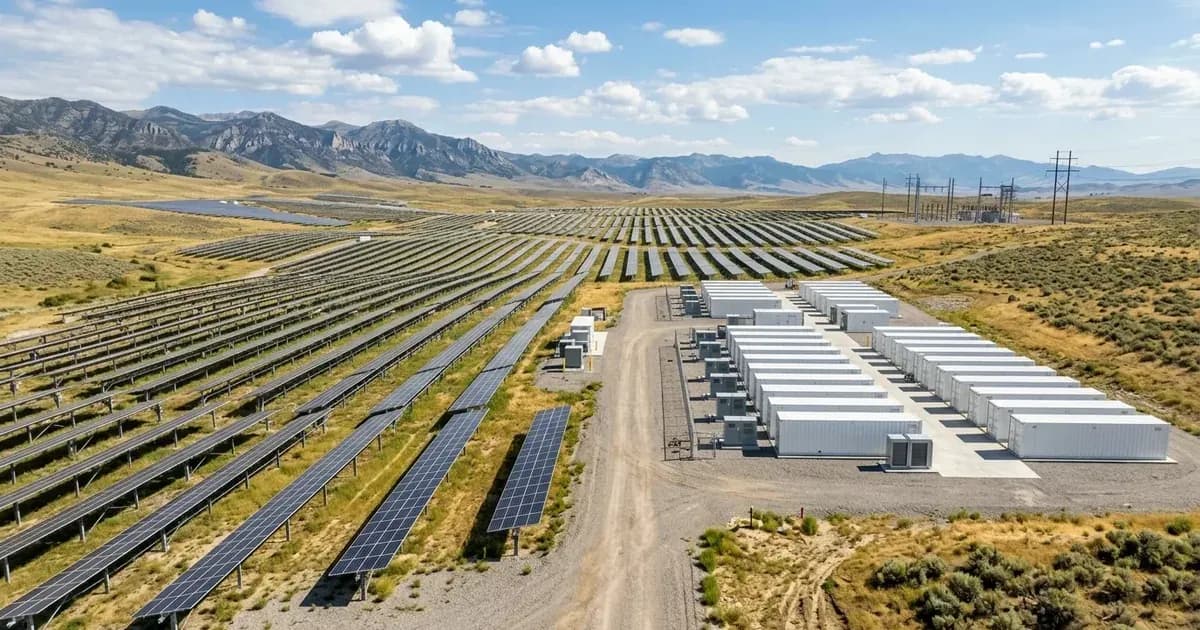
- Eligible Property Classes: The credit applies to "qualified facility and energy storage technology." This includes a range of projects such as Post-2024 Utility Solar PV Projects, Standalone & Co-Located Commercial Battery Storage Systems, and Hybrid Renewable Energy Facilities.
- Credit Rate Determination:
- Base Rate: The "applicable percentage shall be 6 percent."
- Alternative Rate: The "applicable percentage shall be 30 percent" if the project meets one of two conditions:
- Small Project Capacity: The facility has a "maximum net output of less than 1 megawatt (as measured in alternating current)."
- Labor Standards: The project satisfies statutory prevailing wage and apprenticeship standards. For more details on these labor requirements, refer to our guide on /pk/guides/fixes/us-irs-26-cfr-1-48-13-prevailing-wage-and-apprenticeship-guide.
Claiming Bonus Adders
Section 48E provides opportunities to increase the credit amount through bonus adders, each contributing an additional 10 percentage points.
- Domestic Content Bonus Adder: An increase of "10 percentage points" is available under "rules similar to the rules of section 48(a)(12)." This encourages the use of domestically produced components in clean energy projects. Neglecting to substantiate domestic content qualifications can lead to a loss of this adder.
- Energy Community Bonus Adder: Another "10 percentage points" increase is available for projects located in an "energy community (as defined in section 45(b)(11)(B))." This aims to stimulate investment in areas historically reliant on fossil fuel industries.
Key Provisions and Requirements
The table below summarizes the statutory specifications and regulatory mandates for the 26 USC 48E Clean Electricity Investment Credit.
Parameter | Statutory Specification and Regulatory Mandate |
|---|---|
Credit Title and Purpose | "Clean electricity investment credit" |
Energy Storage Inclusion | "energy storage technology" |
Placed in Service Date Trigger | "placed in service after December 31, 2024" |
Zero Emissions Requirement | "greenhouse gas emissions rate (as determined under subparagraph (B)(ii)) is not greater than zero." |
Base 6% Credit Rate | "applicable percentage shall be 6 percent." |
Alternative 30% Credit Rate | "applicable percentage shall be 30 percent." |
Under 1MW AC Exception | "maximum net output of less than 1 megawatt (as measured in alternating current)" |
Domestic Content Rules | "Domestic content Rules similar to the rules of section 48(a)(12) shall apply" |
Energy Community Adder | "energy community (as defined in section 45(b)(11)(B)" |
Eligible Property Investment | "Investment credit for qualified property (1) In general For purposes of section 46, the clean electricity investment credit" |
Compliance and Documentation
Proper documentation and compliance are critical for successfully claiming the 26 USC 48E credit and avoiding potential issues.
- IRS Form 3468: You must "File IRS Form 3468 with annual corporate tax returns attaching clean electricity emissions certification." This form is the primary mechanism for claiming the investment credit.
- Emissions Certification: Maintain "engineering reports confirming zero greenhouse gas emissions life-cycle assessment (LCA)." This documentation directly supports the zero-emissions requirement.
- Labor Records: For projects claiming the 30 percent alternative rate based on labor standards, "Retain contractor prevailing wage documentation, wage determinations, and registered apprenticeship logs." Failing to retain certified payroll records for all construction, alteration, and repair work performed during project build and the 5-year recapture window can lead to a reduction in the credit.
- Bonus Adder Substantiation: Ensure you can "substantiate domestic content or energy community qualifications required to claim 10 percentage point bonus adders." Lack of proper evidence will result in the disallowance of these bonus percentages.
For comparisons with other clean energy tax credits, you may find our guides on the /pk/guides/fixes/us-irs-26-usc-45y-clean-electricity-production-credit-guide and the /pk/guides/fixes/us-irs-26-usc-48-energy-property-and-investment-credit-election-guide helpful.
Safety Considerations for Qualifying Projects
While Section 48E is a tax credit, the projects it incentivizes—such as utility-scale solar PV and commercial battery storage—involve significant safety considerations during their design, installation, and operation. Adhering to established safety standards is paramount.
- Electrical Grid Integration: "Verify electrical power plant safety and grid protection relay settings under IEEE 1547.1 and UL 1741 SB standards." Proper grid interconnection is vital to prevent hazards and ensure system stability.
- Battery Energy Storage Systems (BESS): For commercial battery storage, "Ensure commercial battery energy storage containers comply with NFPA 855 fire suppression and deflagration venting codes." These systems store substantial energy and require robust fire safety measures.
- Workplace Safety: "Maintain strict OSHA lock-out/tag-out (LOTO) procedures and NFPA 70E arc flash boundaries during commissioning." These practices protect personnel from electrical and other energy hazards during construction, maintenance, and operation.
When to Consult a Tax Professional
The intricacies of federal tax law, especially regarding investment credits like 26 USC 48E, can be complex. While this guide provides an overview, it is not a substitute for professional tax advice.
- Specific Project Eligibility: Determining if your unique project fully meets all statutory requirements for the base credit and any bonus adders often requires expert interpretation of the law and regulations.
- Documentation and Audit Risk: A tax professional can help ensure your documentation is robust and compliant, minimizing the risk of "Emissions Rate Disallowance" or "Wage and Apprenticeship Rate Reduction" during an IRS audit.
- Evolving Regulations: Tax laws and their interpretations can change. A qualified professional stays current with these developments and can advise on the latest guidance.
- Financial Modeling: Integrating the credit into your project's financial model and understanding its impact on overall project economics is best done with professional assistance.
Consulting a tax professional is highly recommended to ensure accurate compliance and to maximize the benefits of the 26 USC 48E Clean Electricity Investment Credit for your project.
Frequently asked questions
What is the 26 USC 48E Clean Electricity Investment Credit?
It is a federal statutory framework establishing a technology-neutral investment tax credit for clean electricity generation facilities and energy storage technology placed in service after December 31, 2024. It provides a base 6 percent credit, with a potential 30 percent for qualifying projects.
When does the 26 USC 48E credit become effective?
The credit applies to facilities and energy storage technology placed in service after December 31, 2024. Projects commissioned before this date are not eligible for Section 48E.
What is the emissions requirement for 26 USC 48E?
To qualify for the credit, a facility must maintain a greenhouse gas emissions rate not greater than zero. This ensures the credit supports truly clean electricity generation.
How can a project qualify for the 30 percent alternative credit rate?
A project can qualify for the 30 percent alternative credit rate if its maximum net output is less than 1 megawatt (AC) or if it satisfies statutory prevailing wage and apprenticeship standards during construction, alteration, and repair.
Are there bonus adders available for the 26 USC 48E credit?
Yes, there are two 10 percentage point bonus adders available. One is for satisfying domestic content requirements, and the other is for locating the project within an energy community.
References
- 26 U.S. Code § 48E - Clean electricity investment credit — accessed 23 August 2026
Related guides
More from schemes, subsidies & financing.