How to Choose a Solar Installer Australia: Vetting and Workmanship
Updated 19 September 2026 · By SolarNevs Research Desk, Dealer surveys + verified sources · 2 sources · Method ↗
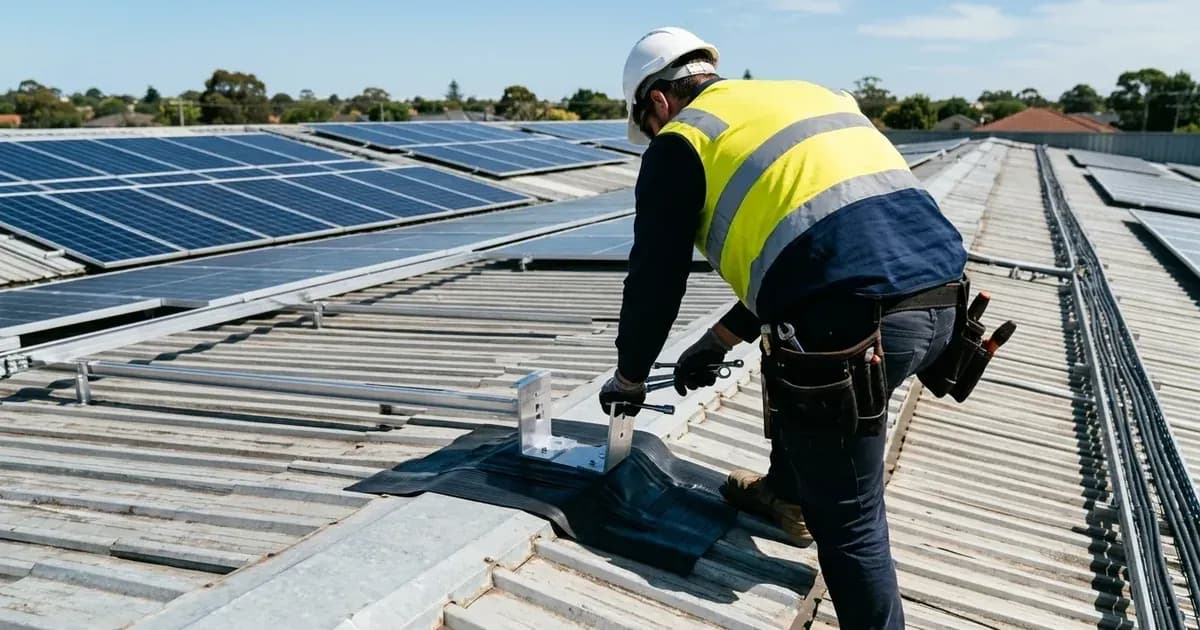
Australia is a world leader in domestic clean energy adoption. With 3.5 million rooftop solar systems installed across the country the demand for solar has never been higher. However, the rapid expansion of the residential market has attracted both premium engineering firms and predatory sales operations that sacrifice electrical safety and customer service for high-volume turnover.
Investing in rooftop solar represents a multi-decade commitment. When engineered and executed correctly, a well-installed system can last 25+ years delivering long-term savings on electricity bills. Conversely, a poor installation can reduce energy efficiency increase maintenance costs and void warranties. Understanding how to vet installation companies ensures your investment delivers safe, reliable power across its operating lifespan.
The Workmanship Reality: Regulator Insights
Many consumers focus entirely on solar panel efficiency ratings or inverter brand prestige, assuming hardware choice guarantees reliability. In reality, reports from the clean energy regulator show that many solar system failures are due to substandard installations rather than faulty equipment.
Issues such as loose MC4 connector crimps, improperly sealed roof tile flashings, unshielded DC isolator enclosures exposed to direct ultraviolet radiation, and mismatched string voltages cause significant operational problems:
```
[Installation Quality Impact]
├── Certified Engineering --> 25+ Year System Life | Fire Safe | Verified CEC Compliance
└── Substandard Execution --> 10-30% Output Derating | Roof Leaks | Orphaned Warranties
```
Discount operators frequently advertise promotional deals that seem too good to be true. Industry audits indicate that budget packages are priced that way because they cut corners on product quality installation standards and customer service. Installing substandard isolators or utilizing hurried subcontracted labour creates severe hazards and persistent underperformance.
The Orphaned System Hazard & Local Support
One of the most persistent risks in the Australian solar sector is the "phoenix company"—an entity that operates aggressively for several years, accumulates workmanship liabilities, liquidates, and re-emerges under a different trading name.
Homeowners left behind hold what the industry terms "orphaned systems." As consumer advocates caution, unreliable warranties - a 25-year product warranty is worthless if the company disappears within five years. If your installer ceases operations, claiming warranty compensation directly from an offshore manufacturer can prove nearly impossible.
To protect yourself, always check whether the brands they use have local australian offices to support warranty claims if the installer goes out of business. Premium inverter and panel manufacturers maintain dedicated Australian technical support teams, spare parts depots, and warranty administration facilities in Sydney, Melbourne, and Brisbane.
The 5-Step Installer Vetting Process
To ensure you partner with an ethical, technically competent contractor, follow the standardized 5-step vetting framework detailed below:
Vetting Stage | Specific Verification Task | Benchmark Minimum Requirement |
|---|---|---|
1. Business Trading History | Review ABN registration and trading stability | check abn history to confirm trading history minimum 1 year in business (ideally 5+ years ) |
2. Customer Feedback & Reputation | Analyze independent verified customer reviews | minimum 20 five-star reviews and an average rating of 4+ stars |
3. Accreditations & Licensing | Validate electrical licences and CEC status | verify clean energy council (cec) accreditation energy contractors licence and master electricians membership |
4. Component Quality Standards | Inspect quoted hardware model numbers | ensure installers use high-quality solar panels inverters and batteries no cheap low-quality products -only reputable brands |
5. Post-Installation Service | Assess long-term customer support commitments | conduct follow-ups 6 months after installation to check for issues |
Understanding Household Consumption Context
During the preliminary consultation, a competent installer should thoroughly review your historical electricity bills and daily usage habits. In typical suburban households, homes where people are away during the day may only use 20-30% of their solar power. An honest installer will factor this self-consumption ratio into their financial modelling rather than projecting unrealistic 100% self-consumption savings.
Turnkey Pricing Benchmarks
Pricing that falls significantly below standard industry benchmarks should always be treated as a warning sign. Across Australian capital cities, the cost of a 6.6kw solar system in australia typically ranges from $5500 to $9000 after government rebates. Quotations below this band generally reflect compromised mounting systems, entry-level inverters lacking Australian offices, or subcontracted piece-rate electrical labour.
Statutory Standards and SRES Rebate Compliance
Federal incentives under the Small-scale Renewable Energy Scheme (SRES) require strict adherence to Clean Energy Regulator guidelines:
- Approved Products: All modules and inverters must **list its panels and inverter on the Clean Energy Council list of approved products**.
- System Sizing Limits: To qualify for small-scale technology certificates (STCs), residential systems must have a capacity less than 100 kW and have a total annual electricity output less than 250 MWh.
- STC Value: The certificates provide a direct point-of-sale discount, where the usual price is $33 – $38 per certificate.
This analysis, compiled from engineering insights on how to choose a good solar installer in australia by james shand, emphasizes that choosing an installer is fundamentally an assessment of technical capability, business permanence, and warranty support.
For actionable interview questions before signing a contract, read our companion guide on 5 Questions to Ask Solar Installers in Australia Before Signing and review How to Compare Solar Quotes in Australia.
References
- Solar Choice - Vetted Installer Network — accessed 16 September 2026
- Clean Energy Regulator - Rooftop Solar Systems — accessed 16 September 2026
Related guides
More from what to buy — and how not to get cheated.