CSA Certification for Canadian Solar Equipment: Electrical Code & Inspection
Updated 19 September 2026 · By SolarNevs Research Desk, Dealer surveys + verified sources · 2 sources · Method ↗
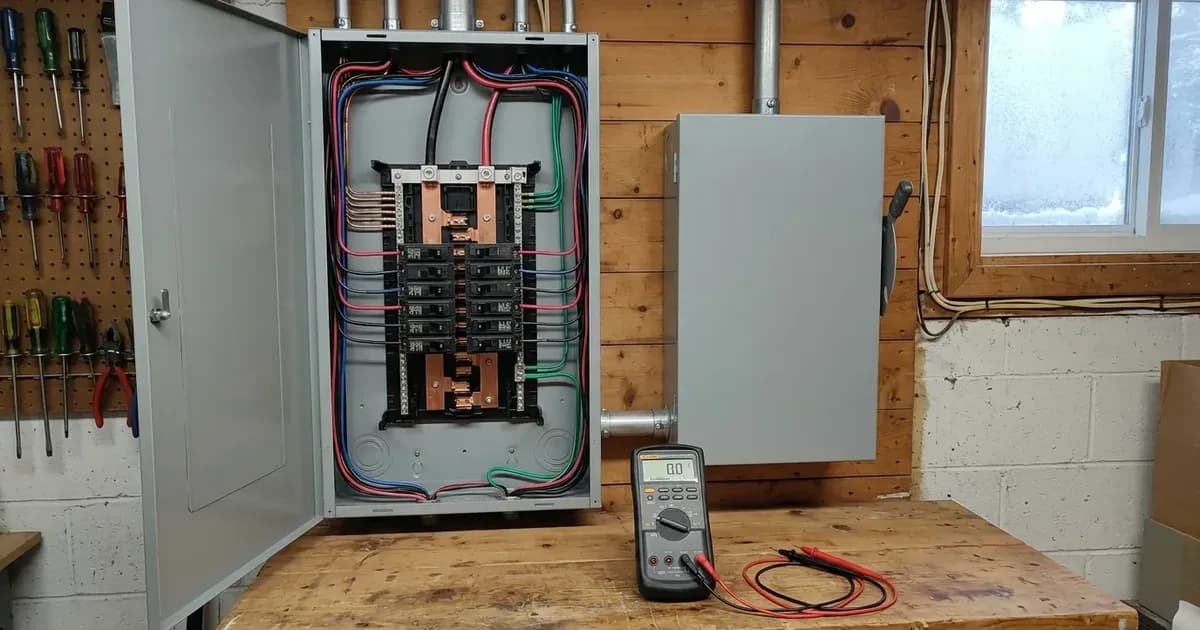
Installing solar energy equipment in Canada requires strict adherence to electrical safety standards. All photovoltaic modules, hybrid inverters, disconnect switches, and energy storage systems connected to building wiring must comply with the Canadian Electrical Code (CE Code, CSA C22.1) and provincial safety regulations, such as the Ontario Electrical Safety Code (OESC). Purchasing uncertified equipment risks inspection failure, utility interconnection refusal, and invalidated property insurance.
Key Takeaways
- All electrical equipment must bear recognized certification markings from accredited testing bodies like CSA Group, Underwriters Laboratories Canada (cUL), or Intertek (cETL).
- Plug-in solar systems (PIPV) that plug into standard wall receptacles violate the CE Code and cannot be legally installed in Canada.
- Provincial inspection authorities, like Ontario's Electrical Safety Authority (ESA), require electrical work notifications filed by Licensed Electrical Contractors.
- Inverters must be certified to standards such as UL 1741 and CSA C22.2, with integrated arc-fault circuit protection (AFCI) for fire prevention.
Approved Certification Marks vs. Uncertified Imports
Under Canadian law, electrical inspectors cannot approve equipment simply because it functions safely in other countries. Hardware purchased from international online marketplaces often carries foreign marks (like CE in Europe or standard US UL without Canadian harmonization) that are not recognized in Canada.
To be approved for connection to Canadian building electrical systems, equipment must bear a recognized Canadian certification mark:
- CSA Mark: Canadian Standards Association certification.
- cUL Mark: Underwriters Laboratories certified to Canadian national standards.
- cETL Mark: Intertek testing services certified to Canadian requirements.
Inverters such as the Luxpower SNA-US-15K demonstrate proper compliance: certified under ul1741 and csa c22.2 standards this inverter meets north american electrical safety requirements, incorporating afci protection for arc fault prevention integrated load and battery breakers surge and overcurrent protection to satisfy CE Code fire prevention mandates.
The Problem with Plug-In Solar (PIPV) in Canada
As small plug-in photovoltaic (PIPV) kits gain popularity internationally, Canadian safety authorities have issued clear directives regarding their legality.
In its recent regulatory guidance, the Electrical Safety Authority emphasized:
- "At present there are no applicable Canadian certification standards governing PIPV systems, and no approved products available on the Canadian market."
- "cannot be installed in a way that meets the requirements of the Canadian Electrical Code (CE Code), creating both compliance issues and severe safety risks."
Plugging an uncertified solar panel directly into a household 120V outlet bypasses conventional overcurrent protection, posing shock, backfeeding, and fire hazards. While a joint standard — ANSI/CAN/UL 3700 — is also under development and is expected to provide a framework for certification in both Canada and the United States, current Canadian rules strictly prohibit plug-in solar.
Until formal standards are published and adopted, any consideration of PIPV equipment should, at a minimum, include:
- A recognized certification or approval marking
- A dedicated non-standard PIPV receptacle installed by a licensed contractor
- A dedicated branch circuit or appropriate overcurrent protection
Contractor Licensing and Inspection Oversight
Provincial electrical safety is maintained through mandatory permitting and contractor oversight. In Ontario, electrical installations must be performed by Licensed Electrical Contractors (LECs) across Ontario who understand the technical requirements of the CE Code.
Homeowners can track their project compliance directly through provincial portals. Recent ESA reporting shows that notification status checks increased 63% from 35820 to 58486, while overall work notifications increased 62% from 3065 to 4963, reflecting widespread public diligence in verifying electrical permits.
For detailed installation and wiring mandates, review Canadian Electrical Code Section 64 solar rules and learn how to audit contractor paperwork in how to read a Canadian solar quote and avoid scams.
References
- Electrical Safety Authority (ESA) Ontario Plugged In Technical Bulletin — accessed 28 August 2026
- Luxpower SNA-US-15K Safety Standards and Certifications — accessed 28 August 2026
Related guides
More from what to buy — and how not to get cheated.