SolarEdge S Series Power Optimizer Setup Guide
Updated 7 September 2026 · By SolarNevs Research Desk, Dealer surveys + verified sources · 1 source · Method ↗
Key Takeaways
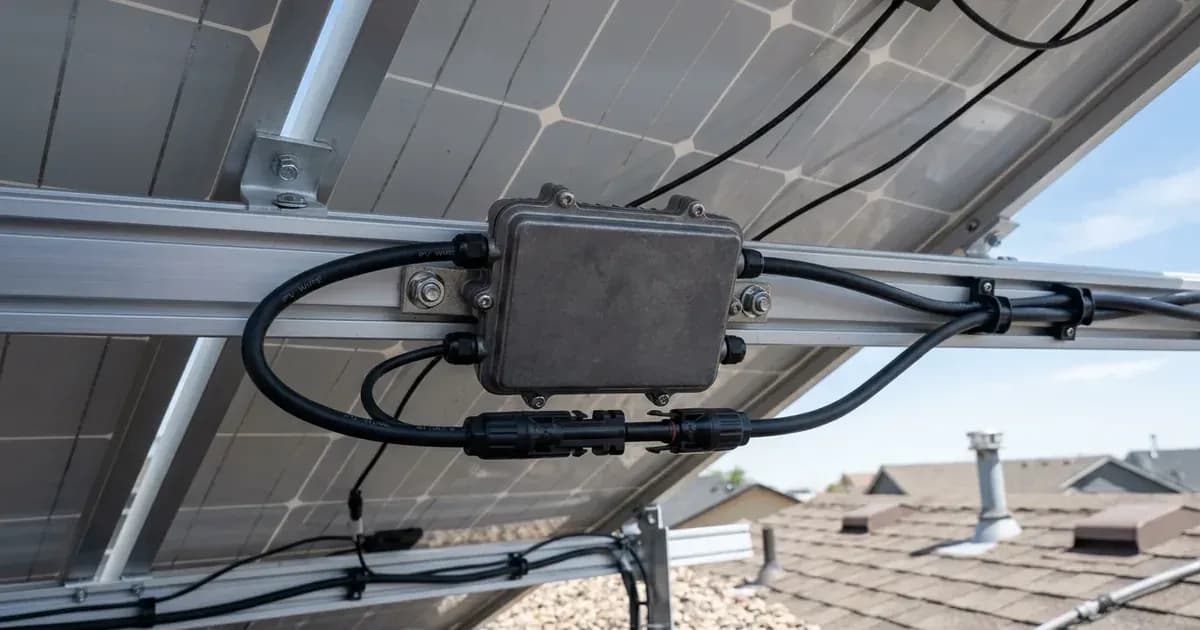
- SolarEdge S-Series power optimizers must be securely mounted to module mounting frames.
- For the Sense Connect thermal detection feature to function correctly, use only DC connectors of identical manufacturer and type.
- The SafeDC feature reduces module voltage to 1V during installation and maintenance, significantly improving safety.
- Any high-voltage DC work, AC grid interconnection, or switchgear modifications require certified, licensed personnel.
Understanding SolarEdge S-Series Power Optimizers
The SolarEdge S-Series power optimizers, including models such as the S440, S500, and S1200, are designed to enhance the energy harvest from individual solar panels. These devices manage the power output of each module independently, mitigating losses from shading or panel mismatch. Proper installation is crucial for their performance, safety, and compliance with UK standards.
The Mechanism of Power Optimization and Safety
SolarEdge power optimizers work by tracking the maximum power point (MPPT) of each solar panel. This ensures that even if one panel's performance is reduced, it does not affect the output of other panels in the string. Beyond power optimisation, the S-Series incorporates critical safety features:
- Sense Connect Thermal Detection: This feature actively monitors the temperature at the DC connector points. Overheating at these connections, which can indicate a fault or poor connection, is detected, allowing the system to take protective action.
- SafeDC Voltage: During installation, maintenance, or in the event of an AC grid shutdown, the SafeDC feature automatically reduces the DC voltage of each solar module to a safe 1V. This significantly lowers the risk of electric shock for personnel working on the array.
Installation Steps and Critical Checks
Installing SolarEdge S-Series power optimizers involves several key steps to ensure optimal performance and safety. Adhering to these guidelines is essential for a compliant and reliable system.
Installation Checklist
Step | What to check | Why it matters |
|---|---|---|
Mounting | "Optimization hardware must be secured to module mounting frames." | Prevents movement, ensures proper heat dissipation, and maintains system integrity. |
DC Connectors | "DC connectors must be of identical manufacturer and type." | Ensures proper function of Sense Connect thermal detection and prevents connection failures. |
Array Compliance | "Arrays must comply with string voltage and current ratings." | Prevents overvoltage or overcurrent conditions, protecting equipment and ensuring safe operation. |
Wiring | All wiring is correctly polarised and securely terminated. | Incorrect wiring can damage equipment or create fire hazards. |
Grounding | Optimizers and frames are properly earthed. | Essential for electrical safety and protection against lightning strikes. |
What you can check yourself, and what you cannot
As a homeowner or system owner, you can perform visual checks and basic monitoring, but certain tasks are strictly for certified professionals.
What you can check yourself:
- Visual inspection: Regularly check that optimizers are still securely mounted to the module frames and that no visible damage has occurred.
- System monitoring: Use the SolarEdge monitoring portal or app to check the performance of individual panels and the overall system. This can help identify potential issues early.
- Cleanliness: Ensure solar panels and optimizers are free from excessive dirt or debris that could impede heat dissipation.
What you cannot check or modify yourself:
- Electrical connections: Never attempt to open, disconnect, or re-terminate any DC or AC wiring. High-voltage DC systems carry significant electrical hazards.
- Optimizer settings: Do not attempt to change any settings on the optimizers or inverter. These are configured by the installer to meet specific system and grid requirements.
- Troubleshooting internal faults: If the monitoring system indicates an internal fault with an optimizer or the inverter, contact a certified installer.
- High-voltage DC, AC grid interconnection, and switchgear modifications: These tasks "must be performed by certified, licensed personnel." Attempting these without proper training and certification is extremely dangerous and can void warranties and insurance.
Always remember that working with high-voltage electricity poses serious risks, including electrocution and fire. If in doubt, always contact a qualified and certified solar installer.
What the published sources do not tell you
While installation guides provide essential information, they often do not detail every specific scenario or local nuance.
- Specific UK grid connection requirements: While general array compliance is stated, the exact requirements for connecting to the UK grid can vary slightly between Distribution Network Operators (grid operators). These are often detailed in separate grid operator-specific guides or require direct consultation.
- Long-term connector degradation: The importance of using identical connectors for Sense Connect is highlighted, but the long-term degradation rates of different connector types under various environmental conditions are not typically published. This underscores the need for quality components and professional installation.
- Detailed Sense Connect fault codes: While Sense Connect detects thermal hazards, the precise fault codes or diagnostic messages related to specific connector issues may be proprietary or only available to certified installers through their diagnostic tools.
- Specific mounting hardware requirements: While optimizers "must be secured to module mounting frames," the exact type of clips, bolts, or brackets may depend on the specific module frame design and mounting system used, which is typically covered in the broader system installation manual rather than just the optimizer guide.
Still showing the fault? Book a technician
If the steps above did not clear it, tell us the inverter or battery and the exact code. We pass it to a technician who covers your city; visit charges are quoted before they come.
How this pays for the site: the technician or verifier pays SolarNevs a fixed introduction fee. Nobody pays to be recommended, and you are free to use our free guides instead.
Frequently asked questions
What are the primary technical requirements for solaredge s series power optimizer setup guide?
Key requirements include compliance with local grid codes, correct equipment certification, and proper electrical isolation.
Who is authorized to install and inspect solaredge s series power optimizer setup guide?
All high-voltage DC, AC grid tie-in, and switchboard modifications must be performed by a qualified, accredited electrical professional.
How is export power limited in solaredge s series power optimizer setup guide?
Export limiting is achieved using certified bidirectional smart meters or power sensors providing dynamic feedback to the inverter system.
References
Related guides
More from inverter errors & fixes.