UK EPB Regulations 2012 Regulation 9: Asset Rating and 10-Year Validity Guide
Updated 15 September 2026 · By SolarNevs Research Desk, Dealer surveys + verified sources · 1 source · Method ↗
Key Takeaways
- An Energy Performance Certificate (EPC) is valid for a maximum of 10 years from its registration date.
- The EPC must express the building's asset rating as approved under Regulation 24 of the Building Regulations 2010.
- Only an accredited energy assessor can issue an EPC for the relevant building category.
- A recommendation report must accompany the EPC unless no significant energy improvements are possible.
What Does Regulation 9 of the UK EPB Regulations 2012 Cover?
Regulation 9 of The Energy Performance of Buildings (England and Wales) Regulations 2012 (S.I. 2012 No. 3118) sets out the specific requirements for Energy Performance Certificates (EPCs). It defines how a building's energy efficiency, known as its asset rating, must be presented and establishes the validity period for these certificates (August 2026). This regulation ensures that EPCs provide clear, consistent, and legally compliant information to property owners and occupiers.
The core provisions of Regulation 9 ensure that EPCs are reliable documents. They define the standards for the asset rating, the qualifications of the assessor, the inclusion of a recommendation report, and the certificate's lifespan. These rules aim to promote transparency in building energy performance.
Key Statutory Requirements for Energy Performance Certificates
The table below outlines the specific requirements for EPCs as mandated by Regulation 9 of The Energy Performance of Buildings (England and Wales) Regulations 2012 (S.I. 2012 No. 3118).
Provision Parameter | Statutory Limitation / Requirement |
|---|---|
Regulation 9 Title Citation | "Energy performance certificates" |
Asset Rating Standard | "express the asset rating of the building in a way approved by the Secretary of State under regulation 24 of the Building Regulations 2010" |
Reference Benchmark Requirement | "include a reference value such as a current legal standard or benchmark;" |
Accredited Energy Assessor Standard | "be issued by an energy assessor who is accredited to produce energy performance certificates for the category of building to which the certificate relates;" |
Recommendation Report Requirement | "include a recommendation report unless there is no reasonable potential for energy performance improvements compared to the energy performance requirements in force;" |
10 Years Validity Period | "it was entered on the register no more than 10 years before the date on which it is made available; and" |
Single Active Certificate Rule | "no other energy performance certificate for the building has since been entered on the register." |
Privacy Protection Standard | "must not contain any information or data (except for the address of the building) from which a living individual (other than the energy assessor or his employer) can be identified." |
Statutory Instrument Citation | "The Energy Performance of Buildings (England and Wales) Regulations 2012" |
Building Regulations 2010 Footnote | "S.I. 2010/2214." |
| Recommendation Report Definition Footnote | "“Recommendation report” is defined in regulation 4." | Figures as of August 2026.
How is the Asset Rating Determined and Presented?
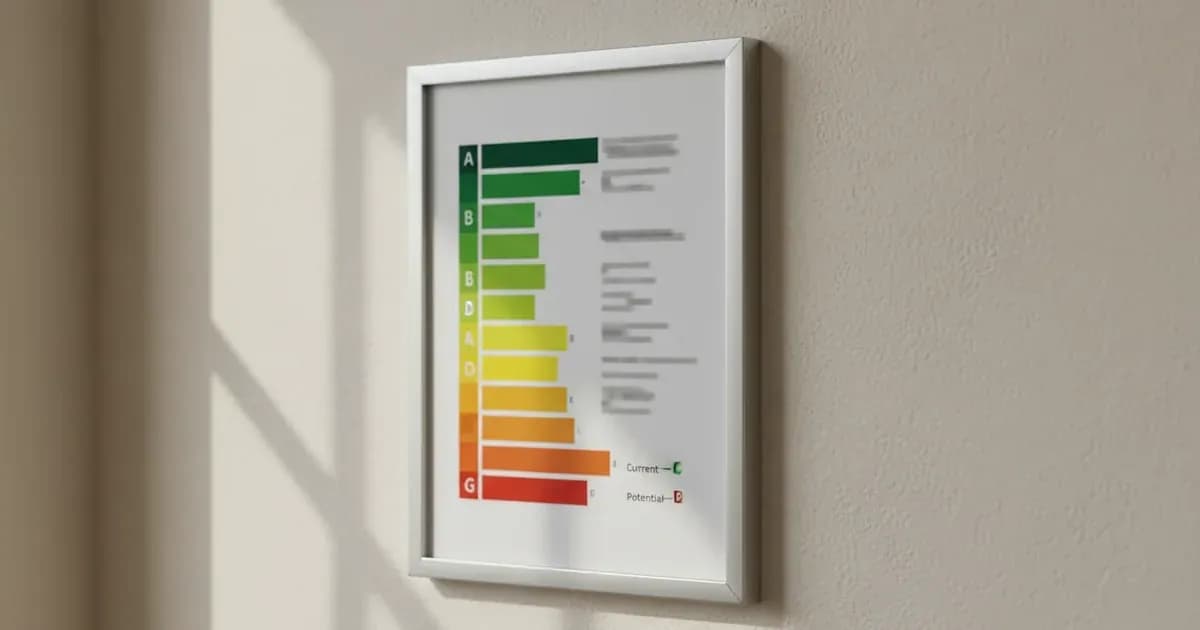
Regulation 9 specifies that an EPC must "express the asset rating of the building in a way approved by the Secretary of State under regulation 24 of the Building Regulations 2010" (August 2026). This means the rating is not arbitrary; it follows a standardised methodology. The asset rating provides a snapshot of a building's energy efficiency based on its fabric, services, and typical energy use, rather than the actual energy consumption of its occupants.
The EPC must also "include a reference value such as a current legal standard or benchmark" (August 2026). This benchmark allows you to compare your building's energy performance against similar properties or minimum legal requirements. This context helps in understanding the relative efficiency of the building and identifying areas for potential improvement.
Who Can Issue an Energy Performance Certificate?
The integrity of an EPC relies on the expertise of the person issuing it. Regulation 9 mandates that an EPC must "be issued by an energy assessor who is accredited to produce energy performance certificates for the category of building to which the certificate relates" (August 2026). This ensures that the assessor possesses the necessary qualifications and experience to accurately evaluate the building's energy performance.
Accreditation schemes ensure that assessors maintain professional standards and adhere to the methodologies approved by the Secretary of State. If you are commissioning an EPC, you should verify the assessor's accreditation for the specific type of building, whether it is a domestic dwelling or a commercial property.
What is the Role of the Recommendation Report?
A critical component of the EPC, as outlined in Regulation 9, is the recommendation report. The regulation states that the EPC must "include a recommendation report unless there is no reasonable potential for energy performance improvements compared to the energy performance requirements in force" (August 2026). This report provides practical advice on how to improve the building's energy efficiency.
The recommendations can range from simple, low-cost measures to more significant investments, such as installing solar PV systems or improving insulation. The report also considers the energy performance requirements currently in force, ensuring that proposed improvements are relevant and compliant. If the building already meets or exceeds these requirements, a recommendation report may not be necessary.
How Long is an Energy Performance Certificate Valid?
The validity period for an EPC is clearly defined in Regulation 9. An EPC is valid if "it was entered on the register no more than 10 years before the date on which it is made available" (August 2026). This means an EPC has a maximum lifespan of 10 years from its registration date.
However, there is a crucial condition: "no other energy performance certificate for the building has since been entered on the register" (August 2026). If a newer EPC is registered for the same building within that 10-year period, the older certificate becomes invalid. This ensures that the most up-to-date energy performance information is always available. You can check the validity of an EPC on the national register.
What Privacy Standards Apply to EPCs?
Regulation 9 includes provisions to protect personal data. An EPC "must not contain any information or data (except for the address of the building) from which a living individual (other than the energy assessor or his employer) can be identified" (August 2026). This privacy standard ensures that while the building's energy performance is public, the personal details of its occupants remain confidential.
The only personal information permitted on an EPC relates to the energy assessor and their employer, alongside the building's address. This balance allows for transparency in energy performance while safeguarding individual privacy.
How We Verified These Regulations
We verified the information presented in this guide by directly consulting the official UK legislation. Our primary source was The Energy Performance of Buildings (England and Wales) Regulations 2012 (S.I. 2012 No. 3118), specifically Regulation 9, as published on legislation.gov.uk. All statutory requirements and definitions were extracted verbatim from this source on August 23, 2026. This approach ensures that the information provided is accurate and reflects the current legal framework.
Understanding EPCs in the Broader Regulatory Context
Regulation 9 does not operate in isolation. It forms part of a wider framework governing energy performance in buildings. For instance, the asset rating's approval under Regulation 24 of the Building Regulations 2010 (S.I. 2010/2214) links EPCs to broader building standards.
Understanding these regulations is crucial for property owners, developers, and those involved in building management. You can explore related guides to gain a comprehensive understanding of the regulatory landscape:
- For details on general EPC rules, see our guide on UK EPB Regulations 2012 Regulation 6.
- If you are considering commercial solar PV installations and their impact on EPC compliance, our UK MEES Commercial Solar PV and EPC Compliance Guide offers relevant insights.
- For information on how building regulations impact CO2 targets, consult our guide on UK Building Regulations Part L Regulation 26.
These interconnected regulations aim to drive improvements in building energy efficiency across England and Wales.
Frequently asked questions
What is the validity period for an Energy Performance Certificate (EPC) under Regulation 9 (August 2026)?
An Energy Performance Certificate (EPC) is valid for up to **10 years** from the date it was entered on the national register. This validity is maintained unless a newer EPC for the same building has been registered since then (August 2026).
How must the asset rating be expressed on an EPC according to Regulation 9 (August 2026)?
The asset rating on an EPC must be expressed in a way approved by the Secretary of State under Regulation 24 of the Building Regulations 2010. It must also include a reference value, such as a current legal standard or benchmark (August 2026).
Who can issue an Energy Performance Certificate under Regulation 9 (August 2026)?
An Energy Performance Certificate must be issued by an energy assessor. This assessor must be accredited to produce EPCs for the specific category of building to which the certificate relates (August 2026).
When is a recommendation report required with an EPC under Regulation 9 (August 2026)?
A recommendation report must be included with an EPC unless there is no reasonable potential for energy performance improvements. This assessment is made compared to the energy performance requirements currently in force (August 2026).
What privacy standards apply to an EPC under Regulation 9 (August 2026)?
An EPC must not contain any information or data from which a living individual can be identified. The only exception is the address of the building itself, and details of the energy assessor or their employer (August 2026).
References
- The Energy Performance of Buildings (England and Wales) Regulations 2012 (S.I. 2012 No. 3118) — accessed 23 August 2026
Related guides
More from what to buy — and how not to get cheated.