UK MEES Commercial Solar PV and EPC Compliance Guide: Non-Domestic Private Rented Property Regulations
Updated 6 September 2026 · By SolarNevs Research Desk, Dealer surveys + verified sources · 1 source · Method ↗
Key Takeaways
- The Energy Efficiency (Private Rented Property) (England and Wales) Regulations 2015 (S.I. 2015 No. 962) establish Minimum Energy Efficiency Standards (MEES) for non-domestic private rented properties.
- Regulation 27 prohibits the letting of sub-standard non-domestic private rented property.
- Landlords must undertake relevant energy efficiency improvements as defined by Regulation 28, or register an exemption.
- Local weights and measures authorities enforce these regulations for non-domestic properties.
What are the UK MEES Regulations for Commercial Properties?
The UK Minimum Energy Efficiency Standards (MEES) for commercial properties are established by The Energy Efficiency (Private Rented Property) (England and Wales) Regulations 2015 (S.I. 2015 No. 962) (August 2026). These regulations govern non-domestic private rented properties. The primary goal is to improve the energy efficiency of the UK's commercial building stock.
These regulations define "non-domestic PR property" as a property falling within section 42(1)(b) of the Act. A "sub-standard property" is also defined within the regulations.
Why is MEES Compliance Important for Commercial Landlords?
Compliance with MEES is critical for commercial landlords in England and Wales. Regulation 27 explicitly states a "Prohibition on letting of sub-standard non-domestic PR property" (August 2026). This means you cannot legally let a commercial property that does not meet the minimum energy efficiency standards, unless a valid exemption is in place.
The regulations also detail "Breaches in relation to non-domestic PR property 41" (August 2026). Penalties apply where the landlord is, or was, the landlord of a non-domestic PR property.
How Do "Relevant Improvements" Impact Compliance?
To achieve compliance, landlords must consider "Relevant energy efficiency improvements 28" (August 2026). The regulations state that a landlord has met their obligations if they "has made all the relevant energy efficiency improvements for the property, or (b) there are no relevant energy efficiency improvements that can be made to the property" (August 2026).
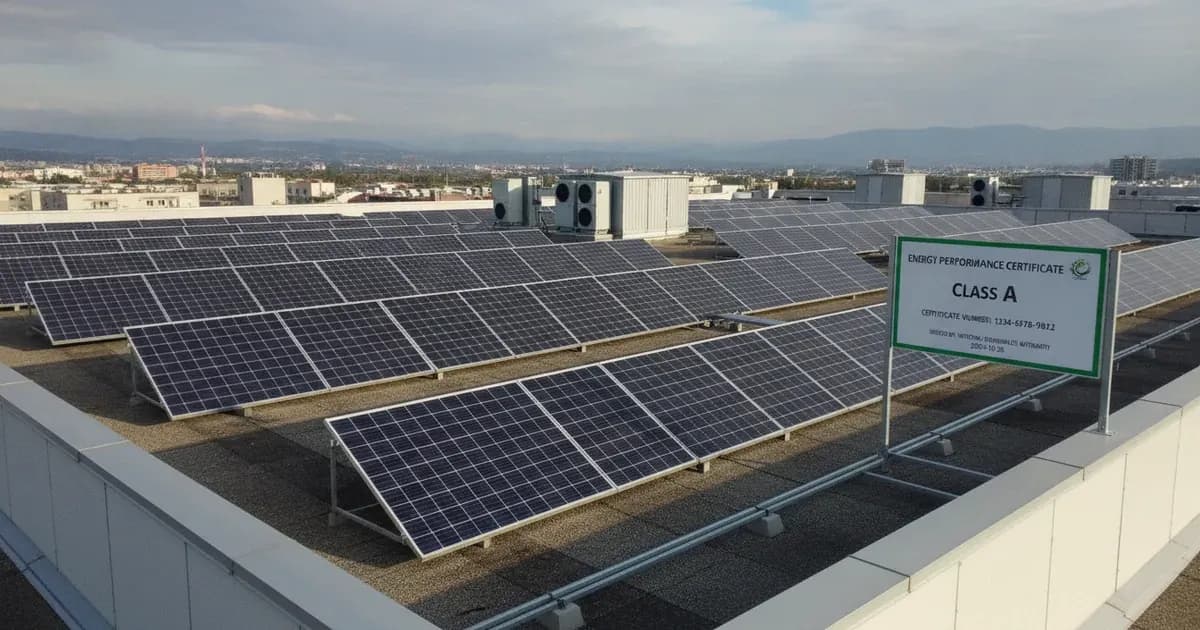
While the regulations do not specifically mandate solar PV, installing solar panels can be a "relevant energy efficiency improvement." Solar PV systems can significantly improve a property's Energy Performance Certificate (EPC) rating, helping it meet or exceed the minimum MEES requirements. You can explore how solar PV might contribute to your property's energy profile by using a solar sizing tool.
Who Enforces Commercial MEES Rules and What is the PRS Exemptions Register?
Enforcement of commercial MEES rules falls to "a local weights and measures authority" in relation to a non-domestic PR property (August 2026). These authorities are responsible for ensuring landlords comply with the regulations and for imposing penalties for non-compliance.
The regulations also mandate a "PRS Exemptions Register 36" (August 2026). If a landlord cannot make all relevant energy efficiency improvements, or if certain conditions are met (e.g., cost-effectiveness, third-party consent issues), they may be able to register an exemption. It is crucial to understand that exemptions are not permanent and must be registered correctly.
How We Verified This Information
We compiled this guide based on direct review of the official UK legislation. Our information is sourced from The Energy Efficiency (Private Rented Property) (England and Wales) Regulations 2015 (S.I. 2015 No. 962), accessed on 23 August 2026. We specifically referenced the statutory instrument as published on legislation.gov.uk. This ensures that the details provided reflect the current legal framework.
Navigating MEES and Solar PV for Your Commercial Property
Understanding the MEES regulations is essential for any commercial landlord. The prohibition on letting sub-standard properties under Regulation 27 means proactive management of your property's EPC rating is necessary. While the regulations do not dictate specific technologies, energy efficiency improvements are key.
For landlords considering solar PV as part of their strategy, it is important to understand the broader context of UK energy regulations. You can find more information on related topics, such as domestic MEES regulations and tenant requests, in our guide on UK MEES Domestic Solar and Tenant Request Regulations. For commercial rooftop solar installations, you may also need to consider planning permissions, detailed in our guide on UK GPDO Class J Commercial Rooftop Solar Rules. Furthermore, understanding how excess solar energy can be sold back to the grid is covered in our guide on the UK Smart Export Guarantee (SEG) Order 2019.
We advise you to consult the official legislation and seek legal advice regarding your specific property circumstances. The legal landscape can be complex, and ensuring full compliance protects your investment.
Frequently asked questions
What are the UK MEES regulations for commercial properties?
The Energy Efficiency (Private Rented Property) (England and Wales) Regulations 2015 (S.I. 2015 No. 962) govern Minimum Energy Efficiency Standards (MEES) for non-domestic private rented properties (August 2026).
What is prohibited under commercial MEES regulations?
Regulation 27 prohibits the letting of sub-standard non-domestic private rented property (August 2026). This applies unless all relevant improvements are made or an exemption is registered.
What is a 'relevant improvement' under MEES?
Regulation 28 defines 'relevant energy efficiency improvements' that landlords must consider to meet MEES requirements (August 2026). These improvements aim to raise the property's energy performance.
Who enforces commercial MEES rules in the UK?
Local weights and measures authorities are responsible for enforcing MEES regulations in relation to non-domestic private rented property (August 2026). They can impose penalties for non-compliance.
What is the PRS Exemptions Register?
The PRS Exemptions Register, mandated by Regulation 36, is where landlords must register valid exemptions from MEES compliance (August 2026). This ensures transparency regarding non-compliant properties.
References
Related guides
More from what to buy — and how not to get cheated.