UK Town and Country Planning EIA Regulations 2017 Regulation 6 Screening Opinions Guide
Updated 15 September 2026 · By SolarNevs Research Desk, Dealer surveys + verified sources · 1 source · Method ↗
Key Takeaways
- Regulation 6 is a statutory procedure for developers to determine if an Environmental Impact Assessment (EIA) is needed for solar projects.
- Local planning authorities (LPAs) have a strict 3-week deadline to issue a screening opinion upon receipt of a complete request.
- Comprehensive documentation, including site plans and environmental descriptions, is mandatory for a valid submission.
- Developers can escalate to the Secretary of State if the LPA fails to adopt an opinion within the statutory period.
What is a Regulation 6 Screening Opinion and why do you need one for your solar project?
A Regulation 6 Screening Opinion is a formal statutory procedure under the Town and Country Planning (Environmental Impact Assessment) Regulations 2017 (S.I. 2017/571). It establishes the process for prospective developers to request a formal screening opinion from the relevant planning authority. This opinion determines whether a proposed solar PV development is likely to have significant environmental effects, thereby requiring a full Environmental Impact Assessment (EIA).
This process is crucial because proceeding directly to a full planning submission without a screening opinion can expose projects to sudden EIA call-ins, leading to significant delays and costs. For solar developments, particularly larger schemes, understanding and correctly navigating Regulation 6 ensures compliance and provides certainty early in the planning process.
How to request a screening opinion for your solar development
The process for requesting a Regulation 6 screening opinion involves several key steps to ensure your submission is valid and processed efficiently by the local planning authority.
Diagnosis Steps
- Identify if your project requires screening:
- Check: Does your proposed development fall into categories such as Utility Solar Farm Pre-Application Proposals (MW-Scale Ground Arrays, Battery Storage Compounds, Private Wire Links), Commercial Solar PV Applications (Ground-Mount Schemes on Agricultural Land or Brownfield Sites), or Large Rooftop Solar & Canopy Projects (Industrial Rooftop Installations requiring Formal EIA Screening)?
- Meaning: These project types are often subject to EIA screening due to their scale or potential environmental impact. A person who is minded to carry out development may request the relevant planning authority to adopt a screening opinion.
- Prepare mandatory submission documentation:
- Check: Have you prepared a plan sufficient to identify the land? Have you included a description of the physical characteristics of the development? Does your submission evaluate the environmental sensitivity of geographical areas likely to be affected?
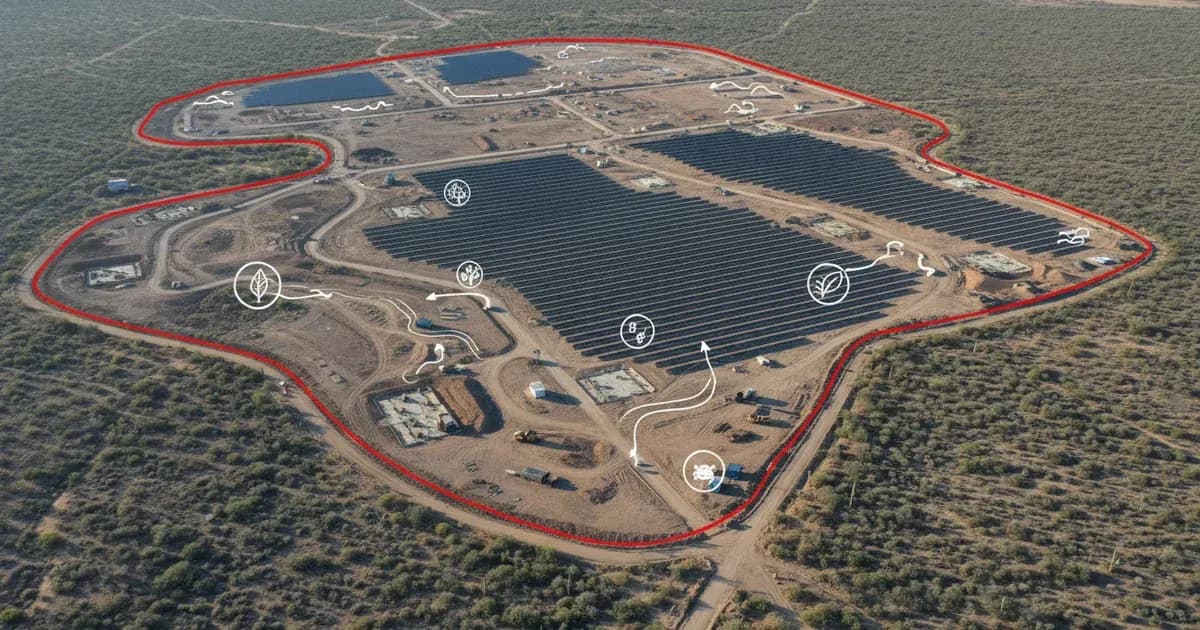
- Meaning: Regulation 6 mandates specific application documentation. Omitting mandatory site identification plans, physical dimensions, or details on expected waste and emissions will result in an incomplete submission. We recommend preparing a comprehensive Regulation 6 screening report, including a 1:2500 location plan with clear red-line site boundaries. Provide detailed estimates of peak construction vehicle movements, noise levels, and expected glint and glare profiles.
- Submit your screening request:
- Check: Are you submitting your request through the local planning authority's planning portal or dedicated pre-application email service?
- Meaning: Using the correct submission channel ensures your request is formally received and the statutory clock for determination begins.
- Monitor the statutory determination timeline:
- Check: Has 3 weeks passed beginning with the date of receipt of your request?
- Meaning: A relevant planning authority must adopt a screening opinion within this 3-week period. This is a strict statutory requirement.
- Consider extensions or escalation:
- Check: If the 3-week period is nearing expiry, has the authority proposed an extension? Is it a written notice citing exceptional circumstances under Regulation 6(7)? Is the proposed extension not exceeding 90 days from the date on which you submitted required information?
- Meaning: If the LPA is unable to meet the 3-week deadline, they may request an extension. Failing to agree written extension notices under Regulation 6(6)(b) can lead to the statutory clock expiring. If the LPA fails to adopt an opinion within the statutory period, you have the right to request a screening direction from the Secretary of State under Regulation 6(10).
Common issues and their resolutions
Symptom detail | Likely cause | Fix |
|---|---|---|
Local planning authority (LPA) fails to issue screening opinion within 3 weeks. | LPA workload, complexity of project, or failure to agree a written extension. | Agree a written extension with the LPA, ensuring it does not exceed 90 days from the date of submitting all required information. If no opinion is adopted, escalate to the Secretary of State. |
Screening request deemed invalid or incomplete by LPA. | Omitting mandatory site identification plans, physical dimensions, or environmental impact details required under Regulation 6(2). | Ensure all mandatory submission requirements are met, including a plan sufficient to identify the land, a description of the physical characteristics of the development, and an evaluation of the environmental sensitivity of geographical areas likely to be affected. |
Project faces unexpected EIA call-in after planning submission. | Proceeding directly to full planning submission without requesting a formal screening opinion. | Always request a formal screening opinion for projects that may have significant environmental effects to gain certainty early in the process. |
LPA's screening opinion overlooks cumulative environmental impacts. | Neglecting to evaluate cumulative environmental impacts with nearby consented or submitted solar developments in the screening request. | Provide a comprehensive assessment of potential cumulative impacts in your initial screening submission, referencing other relevant projects. |
Understanding the Statutory Requirements and Timelines for Regulation 6
Regulation 6 of the Town and Country Planning (Environmental Impact Assessment) Regulations 2017 (S.I. 2017/571) outlines the specific legal framework for EIA screening opinions. This section details the core statutory provisions that govern the process.
Developer's Right to Request
A person who is minded to carry out development may request the relevant planning authority to adopt a screening opinion. This provision grants developers the right to seek clarity on EIA requirements before committing to a full planning application.
Statutory Determination Timeline
The relevant planning authority must adopt a screening opinion within 3 weeks beginning with the date of receipt of a request. This is a crucial timeline for developers, establishing a clear expectation for response.
Maximum Extension Period
While the default is 3 weeks, the timeline can be extended. Such longer period must not exceed 90 days from the date on which the person making the request submits the required information. Any extension must be agreed upon in writing. The authority may extend the timeline by written notice citing exceptional circumstances under Regulation 6(7).
Mandatory Submission Requirements
For a screening opinion in relation to development where an application for planning permission has been or is proposed to be submitted, the developer must provide specific information. This includes:
- A plan sufficient to identify the land.
- A description of the physical characteristics of the development.
- An evaluation of the environmental sensitivity of geographical areas likely to be affected.
These requirements ensure the planning authority has adequate information to make an informed decision.
Escalation to Secretary of State
If the local planning authority fails to adopt an opinion within the statutory period, the developer has the right to escalate the matter. This involves requesting a screening direction from the Secretary of State, providing a mechanism for recourse when local authorities do not meet their obligations. You can learn more about related planning processes in the UK by reviewing our guides on UK Planning Act 2008 Section 14 and 15 Solar NSIP Threshold Guide and UK Commercial Solar Permitted Development GPDO Class J Guide.
Safety: Ensuring safe and compliant solar development
While Regulation 6 primarily concerns environmental impact assessment, the broader context of solar farm development involves critical safety considerations. These aspects should be integrated into your project planning and documentation.
- Construction Traffic Management: Include construction traffic management plans to demonstrate safe access from the strategic highway network. This is vital for public safety and minimizing disruption during the construction phase.
- Clearances from Infrastructure: Verify safe working clearances and minimum separation distances from high-pressure gas pipelines and overhead electricity pylons. Failure to observe these can lead to severe hazards and regulatory breaches.
- Surface Water Drainage: Ensure solar farm surface water drainage strategies prevent increased flood risk to downstream receptors under extreme storm events. This protects local communities and ecosystems from potential flooding.
When to seek expert planning or legal advice
While this guide provides an overview of Regulation 6, certain situations warrant professional assistance.
- Complex Environmental Impacts: If your project involves particularly sensitive environmental areas, or has highly complex potential cumulative impacts with other developments, expert environmental consultants can provide the detailed assessments required.
- LPA Non-Compliance or Refusal: If the local planning authority consistently fails to meet statutory timelines, issues an unfavorable screening opinion you wish to challenge, or if you need to pursue a screening direction from the Secretary of State, legal advice specializing in planning law is essential.
- Uncertainty Regarding Project Classification: If you are unsure whether your specific solar development falls under the scope of Regulation 6 or other planning regulations, such as those for UK Carpark Solar Canopy Permitted Development Class OA Guide, a planning consultant can provide clarity.
- Significant Project Scale or Public Concern: For very large-scale projects or those attracting significant public interest, engaging planning and legal experts early can help manage stakeholder engagement and navigate potential objections effectively. Proceeding without a valid screening opinion carries the risk of project delays, increased costs, and potential enforcement action.
Frequently asked questions
What is a Regulation 6 Screening Opinion?
A Regulation 6 Screening Opinion is a formal process under the Town and Country Planning (Environmental Impact Assessment) Regulations 2017 (S.I. 2017/571) where a developer requests the relevant planning authority to determine if a proposed solar development requires a full Environmental Impact Assessment (EIA).
How long does a planning authority have to issue a screening opinion?
A relevant planning authority must adopt a screening opinion within 3 weeks beginning with the date of receipt of a request. This timeline can be extended by written agreement, but not exceeding 90 days from the date the developer submits all required information.
What information is mandatory for a Regulation 6 screening request?
Mandatory submission requirements include a plan sufficient to identify the land, a description of the physical characteristics of the development, and an evaluation of the environmental sensitivity of geographical areas likely to be affected.
What happens if the planning authority does not issue an opinion within the statutory timeline?
If the local planning authority fails to adopt a screening opinion within the statutory period, the developer has the right to escalate the matter and request a screening direction from the Secretary of State.
Which types of solar projects typically require a Regulation 6 screening opinion?
Projects such as Utility Solar Farm Pre-Application Proposals, Commercial Solar PV Applications on agricultural or brownfield sites, and Large Rooftop Solar & Canopy Projects often require formal EIA screening under Regulation 6.
References
- The Town and Country Planning (Environmental Impact Assessment) Regulations 2017 — accessed 23 August 2026
Related guides
More from what to buy — and how not to get cheated.