New Hampshire Eversource And Unitil Solar Interconnection Guide
Updated 18 September 2026 · By SolarNevs Research Desk, Dealer surveys + verified sources · 1 source · Method ↗
Key Takeaways
- Solar interconnection in New Hampshire requires adherence to utility-specific procedures.
- The first step is typically an application to your local utility, such as Eversource or Unitil.
- Specific technical criteria, like those under PUC 900, are determined by the utility and are not universally published.
- High-voltage electrical work and grid connection must always be performed by certified, licensed professionals.
Understanding Solar Interconnection in New Hampshire
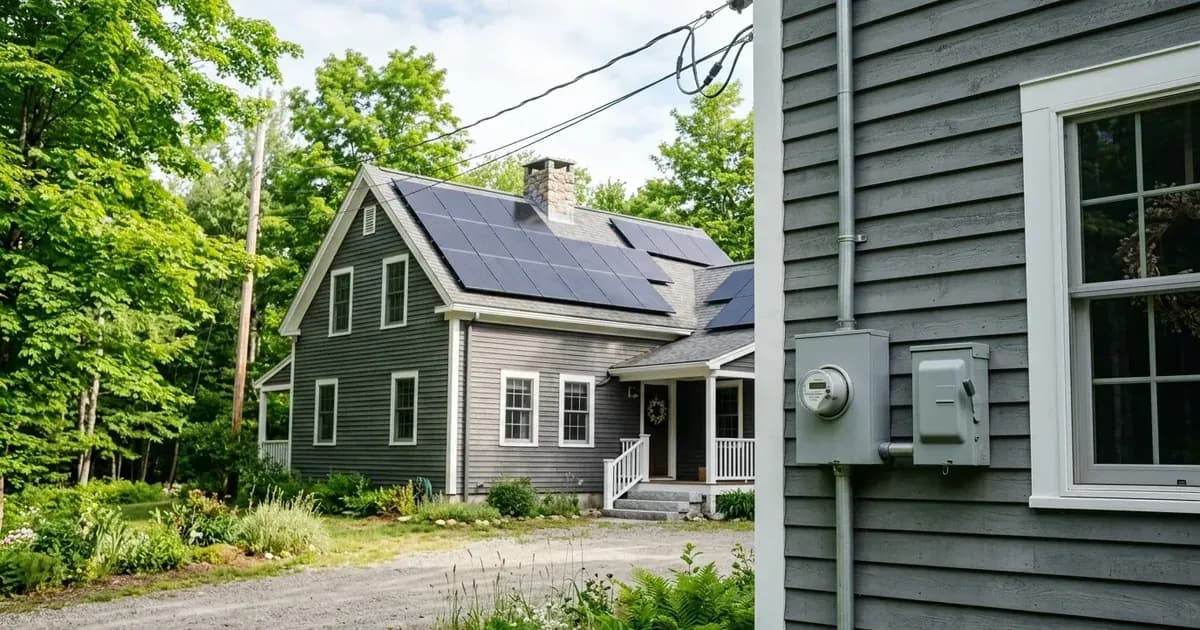
Connecting a solar energy system to the electrical grid in New Hampshire involves a formal process with your local utility, such as Eversource or Unitil. This process ensures the safety and reliability of both your system and the wider electrical network. It covers everything from initial application to final meter exchange and system activation.
The goal of the interconnection process is to ensure that your solar system operates in harmony with the grid, preventing issues like voltage fluctuations or safety hazards. Utilities have specific technical requirements that must be met for all grid-tied installations.
The Mechanism of Grid Interconnection
When your solar panels generate electricity, it first flows to your home to power your appliances. If your system produces more electricity than you are using, the excess can be sent back to the grid. This export of power is typically managed through a net metering agreement, where your utility credits you for the electricity you send back.
For this exchange to happen safely and efficiently, your solar system must be properly interconnected. This involves installing specific equipment, such as inverters that convert DC electricity from your panels to AC electricity compatible with the grid, and safety devices like disconnect switches. The utility also installs a special meter that can measure both electricity drawn from and sent to the grid.
Key Interconnection Requirements
While specific details vary by utility and system size, several common requirements apply to solar interconnections in New Hampshire:
Requirement | Description | What to do |
|---|---|---|
Application Submission | Formal application to the utility, including system design and specifications. | Contact Eversource NH or Unitil directly for their specific application forms and requirements. |
Technical Review | Utility engineers review your system design for compliance with safety and grid standards. | Ensure your installer provides a detailed system design that meets all local codes and utility specifications. |
Utility-Visible Lockable Disconnect Switch | A safety switch allowing utility personnel to disconnect your system from the grid. | This must be installed in an accessible location as specified by your utility. |
Meter Exchange | Replacement of your existing meter with a bi-directional net meter. | The utility will schedule this after your system passes inspection and technical review. |
Certified Installation | All high-voltage DC and AC grid interconnection work must be performed by licensed professionals. | Engage a certified and licensed solar installer for all electrical work. |
What You Can Check Yourself, and What You Cannot
As a homeowner, you can take several steps to prepare for and monitor your solar interconnection process, but there are strict limits on what you can do yourself.
What you can check yourself:
- Documentation: Ensure all required application forms are completed accurately and submitted to your utility.
- Installer Credentials: Verify that your chosen solar installer is certified and licensed to perform electrical work in New Hampshire.
- System Monitoring: Once your system is operational, you can monitor its performance through your inverter's display or a dedicated monitoring app. This helps you track energy production and consumption.
- Physical Safety: Ensure the area around your inverter and disconnect switch is clear and accessible, as required for maintenance and safety.
What you cannot do yourself:
- Electrical Wiring or Connections: You must never attempt to perform high-voltage DC, AC grid interconnection, or switchgear modifications yourself. These tasks carry significant risk of electric shock, fire, and damage to equipment, and must be performed by certified, licensed personnel.
- Changing Inverter Settings: Do not attempt to change grid-protection settings on your inverter. These settings are configured by your accredited installer according to utility requirements and changing them can breach your connection agreement and compromise grid stability.
- Utility Meter Tampering: Do not attempt to modify or tamper with the utility meter. This is illegal and dangerous.
- Opening Electrical Enclosures: Unless you are a certified professional, do not open electrical enclosures, such as your inverter or main service panel. Always isolate PV, battery, and AC breakers, wait the manual's capacitor-discharge time, and understand that opening the unit is authorised-service work.
What the Published Sources Do Not Tell You
While general information on solar interconnection is available, specific technical criteria for utilities like Eversource New Hampshire and Unitil are often detailed in internal engineering guidelines or specific statutory regulations that are not always publicly available in a simplified format. For instance, the precise technical specifications for equipment under the PUC 900 simplified interconnection criteria, or the exact requirements for a utility-visible lockable disconnect switch, are typically found in utility-specific handbooks or engineering standards. These documents may be paywalled, require a direct request, or be subject to change. Therefore, for the most accurate and up-to-date information regarding your specific solar project, it is essential to consult directly with Eversource NH or Unitil.
Frequently asked questions
What are the primary technical requirements for new hampshire eversource and unitil solar interconnection guide?
Key requirements include compliance with local grid codes, correct equipment certification, and proper electrical isolation.
Who is authorized to install and inspect new hampshire eversource and unitil solar interconnection guide?
All high-voltage DC, AC grid tie-in, and switchboard modifications must be performed by a qualified, accredited electrical professional.
How is export power limited in new hampshire eversource and unitil solar interconnection guide?
Export limiting is achieved using certified bidirectional smart meters or power sensors providing dynamic feedback to the inverter system.
References
Related guides
More from schemes, subsidies & financing.