Connecticut Eversource And Ui Solar Interconnection Guide
Updated 18 September 2026 · By SolarNevs Research Desk, Dealer surveys + verified sources · 1 source · Method ↗
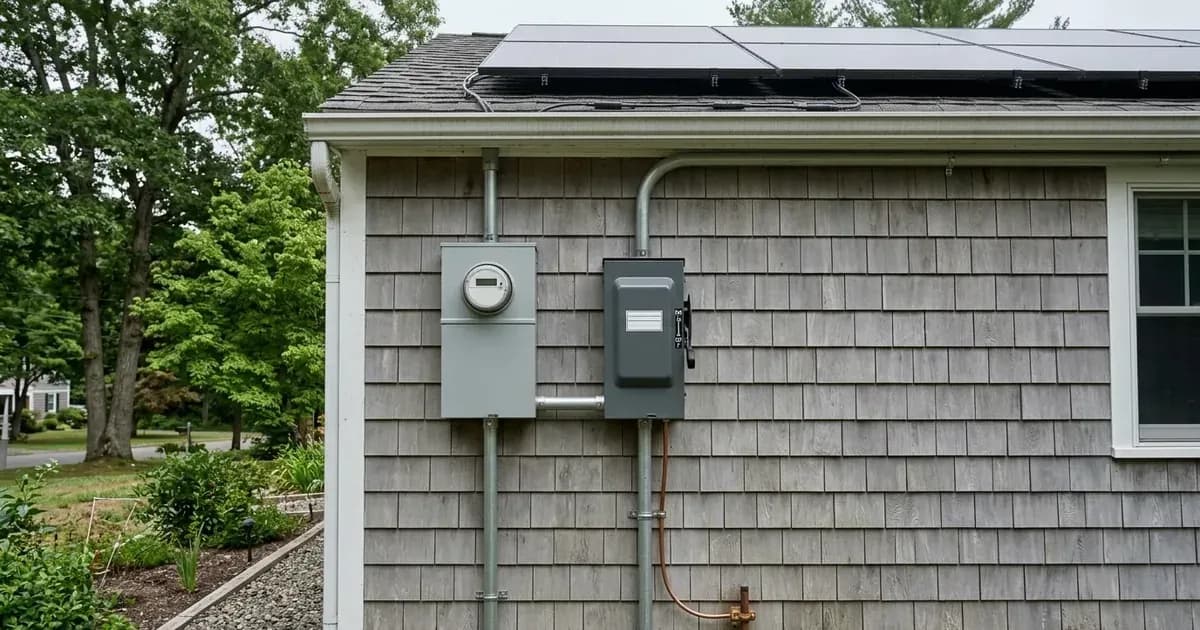
Key Takeaways
- Solar interconnection in Connecticut involves specific processes for Eversource and United Illuminating (UI).
- Fast-track interconnection often depends on meeting specific capacity limits and equipment standards.
- Tax incentives for solar installations require the property to be placed in service within the tax year.
- All high-voltage electrical work must be performed by certified, licensed professionals.
Understanding Solar Interconnection in Connecticut
Connecting a solar photovoltaic (PV) system to the electrical grid in Connecticut involves navigating specific procedures set by utility companies like Eversource and United Illuminating (UI). These procedures ensure the safety and reliability of the grid, as well as compliance with local and federal regulations. The process typically includes application submission, technical review, installation, inspection, and final permission to operate (PTO).
While this article is presented by our British desk, the information provided here is derived from US-specific official documentations concerning Connecticut's solar interconnection processes and related tax instructions. Readers in Great Britain should consult Ofgem and their local Distribution Network Operator (utility) for relevant UK regulations.
The Fast Track Process for Solar Interconnection
The fast-track process is designed to streamline the interconnection of smaller, simpler distributed generation (DG) systems, such as residential solar installations. This expedited review aims to reduce the time and complexity involved in getting a system connected to the grid. To qualify for fast-track simplified review, installations must meet specific criteria, which often include limits on system capacity and adherence to certain technical standards.
For tax purposes related to clean energy property, it is important that the property is placed in service during the tax year. This ensures eligibility for any applicable tax credits. The credit amount is determined based on the total qualifying expenditure incurred by the taxpayer. Furthermore, expenditures for clean energy property must meet specific equipment certification standards to be considered eligible.
What You Can Check Yourself, and What You Cannot
Interconnection Task | Homeowner Self-Check | Licensed Professional Required | Details |
|---|---|---|---|
Documentation Gathering | Yes | No | Prepare deeds, system specifications, and contractor records |
Application Tracking | Yes | No | Monitor submission status through utility online portal |
High-Voltage DC Wiring | No | Yes | Hazardous; requires certified electrical installation |
AC Grid Interconnection | No | Yes | Grid tie-in must be completed by accredited personnel |
Switchgear Modifications | No | Yes | Equipment changes require licensed electrical work |
As a homeowner, you can typically gather necessary documentation, such as property deeds, system specifications, and contractor information, to prepare for the interconnection application. You can also monitor the progress of your application through the utility's online portal.
However, any work involving high-voltage DC, AC grid interconnection, or modifications to switchgear must be performed by certified, licensed personnel. Attempting these tasks yourself is extremely dangerous and can lead to severe injury, property damage, or non-compliance with utility regulations, potentially voiding warranties and interconnection agreements. Always defer to qualified professionals for electrical installations and modifications.
What the Published Sources Do Not Tell You
The provided official documentation, while referencing tax instructions for clean energy property, does not detail the specific capacity limits for fast-track simplified review in Connecticut, nor does it outline the exact automated portal submission and PTO inspection rules for Eversource and UI. These specific details are typically found in the interconnection tariffs and guidelines published by Eversource and United Illuminating themselves, which can vary and are often subject to updates.
Furthermore, published guidance does not provide specific external disconnect switch exemption criteria. Such exemptions are usually determined by the utility based on system size, location, and specific technical configurations, and would be detailed in the utility's interconnection standards.
Frequently asked questions
What are the primary technical requirements for connecticut eversource and ui solar interconnection guide?
Key requirements include compliance with local grid codes, correct equipment certification, and proper electrical isolation.
Who is authorized to install and inspect connecticut eversource and ui solar interconnection guide?
All high-voltage DC, AC grid tie-in, and switchboard modifications must be performed by a qualified, accredited electrical professional.
How is export power limited in connecticut eversource and ui solar interconnection guide?
Export limiting is achieved using certified bidirectional smart meters or power sensors providing dynamic feedback to the inverter system.
References
Related guides
More from schemes, subsidies & financing.