Georgia Distributed Generation Solar Interconnection Guide
Updated 17 September 2026 · By SolarNevs Research Desk, Dealer surveys + verified sources · 1 source · Method ↗
Key Takeaways
- Residential solar installations in Georgia are eligible for a 30% federal income tax credit.
- Energy storage systems with a capacity of 3 kilowatt-hours or greater also qualify for this federal credit.
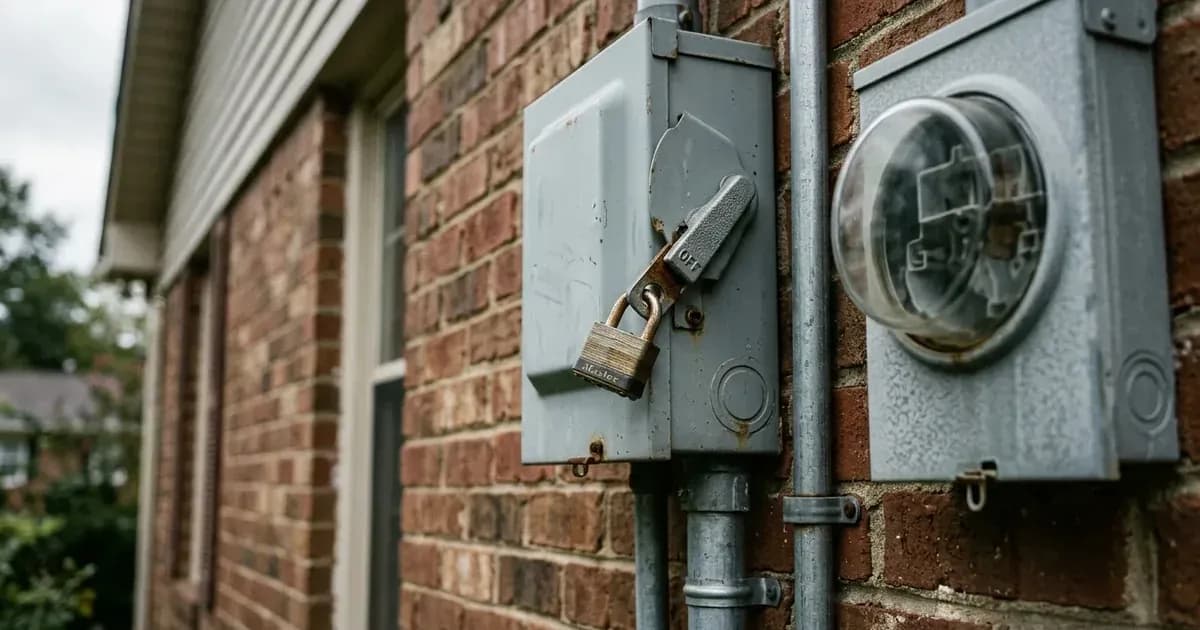
- A lockable, utility-accessible AC disconnect switch is mandatory within 10 feet of the revenue meter for grid-tied systems.
- Operating your solar generating facility before receiving written Permission to Operate (PTO) from the utility is strictly prohibited.
Understanding Federal Tax Credits for Georgia Solar Installations
Interconnection & Incentive Rule | Georgia / Federal Requirement | Operational & Compliance Impact |
|---|---|---|
Federal Solar Tax Credit | 30% Section 25D (IRC) | Deducts 30% of total residential solar installation cost |
Energy Storage Tax Credit | 30% Section 25D (≥ 3 kWh) | Applies to battery storage systems with 3 kWh+ capacity |
Safety AC Disconnect Switch | Lockable, utility-accessible switch | Mandatory within 10 feet of the revenue meter |
Inverter Safety Standard | UL 1741-SB / IEEE 1547-2018 | Mandates autonomous anti-islanding protection during grid outages |
Grid Energization Authorization | Written Permission to Operate (PTO) | Mandatory utility authorization; operation before PTO is prohibited |
Installing a solar energy system in Georgia can offer significant financial benefits through federal tax credits. These incentives are designed to encourage the adoption of clean energy technologies for homeowners.
The federal government provides a tax credit for qualified residential clean energy expenditures. This means that a portion of the cost of your solar installation can be directly deducted from your federal tax liability.
Specifically, residential solar installations are eligible for a 30% credit against total federal tax liability. This credit is available under Section 25D of the Internal Revenue Code (IRC). The same 30% credit also applies to expenditures for solar and residential storage.
Qualifying for Energy Storage Tax Credits
Beyond solar panels, energy storage systems are also a key component of modern clean energy setups, and they too can qualify for federal tax credits. To be eligible, the energy storage property must meet specific criteria.
Qualified energy storage property with a capacity of 3 kilowatt-hours or greater qualifies for federal credits. This ensures that only systems capable of providing substantial energy storage are eligible for the incentive. This credit, like the solar credit, falls under Section 25D of the IRC.
The Role of Utility-Accessible AC Disconnect Switches
For any grid-tied solar installation in Georgia, a critical safety and operational component is the utility-accessible AC disconnect switch. This device allows the utility company to safely and quickly de-energize your solar system from the grid.
A lockable utility-accessible AC disconnect switch is required within 10 feet of the revenue meter. This placement ensures easy access for utility personnel during maintenance, emergencies, or inspections. The switch must be lockable to prevent unauthorized operation and ensure the safety of utility workers.
Permission to Operate (PTO) and System Commissioning
Before your solar energy system can begin generating and exporting power to the grid, you must receive formal authorization from your utility company. This authorization is known as Permission to Operate (PTO).
Operating the generating facility prior to receiving written Permission to Operate is strictly prohibited. This rule is in place to ensure that all safety checks, interconnection agreements, and regulatory requirements have been met and verified by the utility. Attempting to operate your system without PTO can lead to penalties and may void warranties or interconnection agreements.
Inverter Standards and Safety Requirements
The inverter is the heart of a grid-tied solar system, converting the direct current (DC) electricity from your solar panels into alternating current (AC) electricity suitable for your home and the grid. For safety and grid stability, these inverters must meet specific industry standards.
Grid-tied solar inverters must comply with UL 1741-SB and IEEE 1547-2018 anti-islanding parameters. These standards ensure that the inverter can safely disconnect from the grid during power outages, preventing it from feeding electricity into a de-energized grid, which could endanger utility workers.
What the published sources do not tell you
While the federal tax credit information is clear, specific details regarding Georgia's state-level incentives or utility-specific interconnection rules (beyond the general requirements for disconnects and PTO) are not provided in the source material. Local utility requirements, such as specific application processes, fees, or additional equipment specifications, can vary and are not covered here. Furthermore, published guidance does not detail specific sizing requirements for overcurrent protection devices (like those found in NEC 705.12) or rapid shutdown specifications (NEC 690.12), despite mentioning these as parameters. It also does not provide specific voltage thresholds for arc-fault protection (NEC 690.12) or detailed grounding conductor specifications. ---
Frequently asked questions
What are the primary technical requirements for georgia distributed generation solar interconnection guide?
Key requirements include compliance with local grid codes, correct equipment certification, and proper electrical isolation.
Who is authorized to install and inspect georgia distributed generation solar interconnection guide?
All high-voltage DC, AC grid tie-in, and switchboard modifications must be performed by a qualified, accredited electrical professional.
How is export power limited in georgia distributed generation solar interconnection guide?
Export limiting is achieved using certified bidirectional smart meters or power sensors providing dynamic feedback to the inverter system.
References
Related guides
More from schemes, subsidies & financing.