California Rule 21 Smart Inverter Interconnection Guide
Updated 17 September 2026 · By SolarNevs Research Desk, Dealer surveys + verified sources · 2 sources · Method ↗
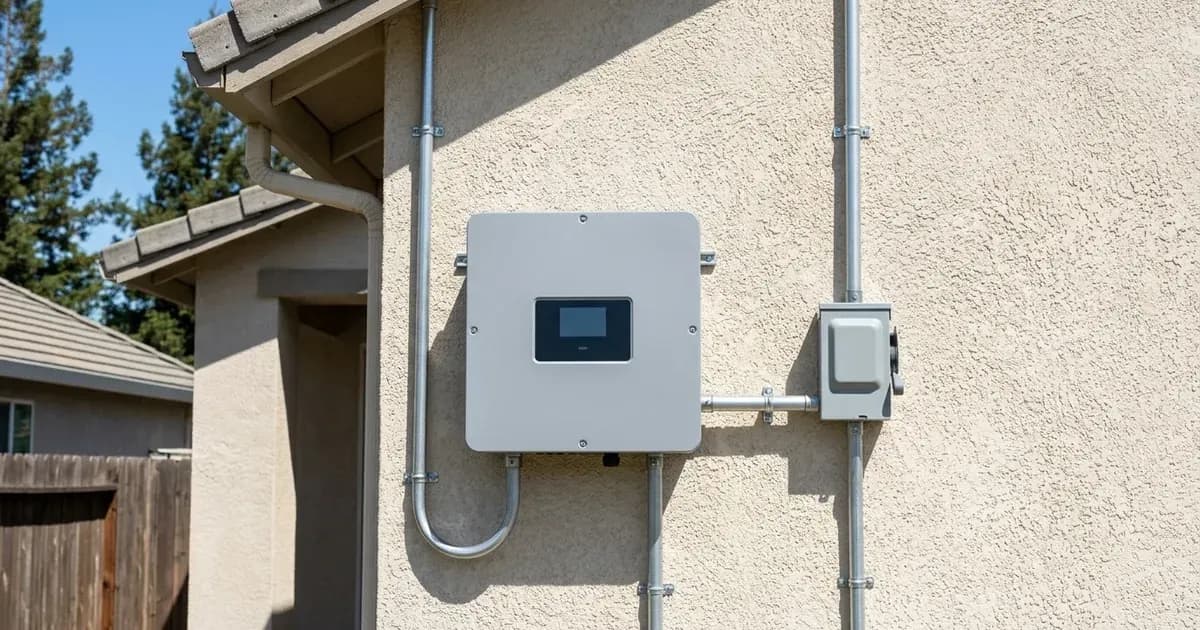
Key Takeaways
- California's Electric Rule 21 governs the safe connection and operation of distributed generation systems.
- All inverters must be certified to UL 1741-SB, ensuring compliance with IEEE 1547-2018 interoperability.
- Smart inverters are mandated to include autonomous grid-support functions like Volt-Var and Volt-Watt control.
- System energization and export are legally prohibited until the utility issues a formal written Permission to Operate (PTO).
What is California Rule 21?
California's Electric Rule 21 is the governing standard for interconnecting distributed generation systems, such as solar and battery storage, to the utility grid. This rule ensures the safe connection, operation, and reliability of these systems as they feed into California utility networks. It applies uniformly across all grid connections within the distribution service territories of Pacific Gas and Electric (PG&E), Southern California Edison (SCE), and San Diego Gas & Electric (SDG&E).
The Role of Smart Inverters
Under Rule 21, inverters are not just converters of DC to AC power; they are active participants in grid stability. These "smart inverters" must feature autonomous grid-support capabilities. This includes Volt-Var reactive power control, which adjusts reactive power output based on grid voltage, and Volt-Watt active power curtailment, which reduces active power output as grid voltage rises.
Smart inverters also provide dynamic frequency response, automatically modulating active power output during grid frequency deviations to stabilize network operating frequencies. They are designed to ride through temporary utility voltage sags and frequency disturbances without tripping offline, preventing cascading grid collapse. This advanced functionality is verified through certification to UL 1741-SB, which confirms compliance with IEEE 1547-2018 interoperability requirements.
Key Technical Requirements for Interconnection
To ensure grid stability and safety, Rule 21 mandates several technical specifications for interconnected systems:
Requirement / Parameter | Standard / Protocol | Rule 21 Compliance Threshold |
|---|---|---|
Inverter Certification | UL 1741-SB / IEEE 1547-2018 | Mandatory smart inverter interoperability & grid support |
Anti-Islanding Trip Time | IEEE 1547 | Disconnect and halt export within 2.0 seconds of outage |
Grid Support Functions | Autonomous Volt-Var & Volt-Watt | Dynamic voltage regulation & frequency ride-through |
Utility Communications | IEEE 2030.5 (CSIP) | Common Smart Inverter Profile telemetry & control |
Module Rapid Shutdown | NEC 690.12 | De-energize array below 30V within 30 seconds |
AC Disconnect Switch | Lockable, visible-break | Located adjacent to revenue meter (unless exempt) |
Fast-Track Review Window | Administrative Interconnection | 10-day turnaround for systems under 30 kVA |
- UL 1741-SB Certification: Inverters installed must be certified to UL 1741-SB. This verifies their compliance with IEEE 1547-2018 interoperability requirements for smart inverter functions.
- Anti-Islanding Protection Trip: Inverters must detect grid disconnection and halt islanded generation into the public network within 2.0 seconds of loss of mains. This prevents power from being fed into a de-energized grid, protecting utility workers.
- Low and High Voltage Ride-Through: Smart inverters must be able to withstand temporary voltage sags and frequency disturbances without immediately disconnecting. This capability helps maintain grid stability during minor fluctuations.
- Common Smart Inverter Profile (CSIP): Inverters must support IEEE 2030.5 communication protocols (CSIP). This enables future utility monitoring and dynamic grid response capabilities, allowing utilities to manage distributed generation more effectively.
- Rapid Shutdown Compliance: Rooftop PV arrays must include module-level rapid shutdown compliant with NEC 690.12. This reduces DC array voltage below 30V within 30 seconds, enhancing safety for emergency responders.
- Disconnect Switch Requirement: Residential systems must feature an accessible, lockable, visible-break AC disconnect switch. This switch is typically located adjacent to the revenue meter, unless utility exemptions apply, providing a clear means to isolate the system from the grid.
Navigating the Interconnection Process
Connecting a solar or energy storage system under Rule 21 involves administrative steps in addition to technical compliance.
For standard residential solar and battery storage systems under 30kVA, a Fast-Track 10-day expedited administrative review process is available. This aims to streamline the approval for smaller installations.
Crucially, system energization and export are legally prohibited until the local utility issues the formal written Permission to Operate (PTO). Operating a system without PTO can lead to penalties and safety hazards. The installer is responsible for ensuring the inverter's grid-support parameters are correctly selected using the official California Rule 21 grid code profile during initial software commissioning. As a homeowner, your role involves ensuring that your chosen equipment meets the certification requirements and that you do not energize your system until PTO is formally granted by your utility.
What the published sources do not tell you
While Rule 21 documents outline the mandatory functions of smart inverters, they do not typically detail the specific configuration steps. Inverter grid-support parameters must be selected using the official California Rule 21 grid code profile during initial installer software commissioning. This critical step, which involves setting specific voltage and frequency response curves, is performed by the installer and is not typically part of the public-facing Rule 21 documentation. The exact settings can vary slightly between inverter manufacturers but must adhere to the overarching Rule 21 requirements. ---
Frequently asked questions
What is California Rule 21?
Electric Rule 21 governs the safe connection, operation, and reliability requirements for distributed generation systems feeding California utility networks, applying uniformly across PG&E, SCE, and SDG&E territories.
What is UL 1741-SB certification?
UL 1741-SB is a certification required for inverters installed under current Rule 21 rules to verify compliance with IEEE 1547-2018 interoperability requirements for smart inverter functions.
What are smart inverter autonomous functions?
Smart inverters must feature autonomous grid-support capabilities including Volt-Var reactive power control, Volt-Watt active power curtailment, and dynamic frequency response to stabilize the grid.
What is Fast-Track interconnection?
Standard residential solar and battery storage systems under 30kVA qualify for the Fast-Track 10-day expedited administrative review process for interconnection.
When can I energize my solar system under Rule 21?
System energization and export are legally prohibited until the local utility issues the formal written Permission to Operate (PTO). This is a mandatory step before your system can operate.
References
- California Electric Rule 21 Generating Facility Interconnection Tariff — accessed 27 August 2026
- CPUC Smart Inverter Working Group Standards — accessed 27 August 2026
Related guides
More from schemes, subsidies & financing.