Illinois Comed And Ameren Part 466 Solar Interconnection Guide
Updated 17 September 2026 · By SolarNevs Research Desk, Dealer surveys + verified sources · 1 source · Method ↗
Key Takeaways
- Connecting solar PV to the grid in Great Britain requires adherence to national standards and local Distribution Network Operator (utility) rules.
- Smart inverters must comply with UK grid codes for stability and safety.
- A formal Permission to Operate (PTO) from your utility is mandatory before energising your system.
- Specific technical requirements, such as disconnect switch placement and overcurrent protection, are determined by utility guidelines and national electrical standards.
Understanding Solar PV Interconnection in Great Britain
Connecting a solar photovoltaic (PV) system to the electricity grid in Great Britain involves a series of technical and regulatory steps. These steps ensure the safety of the grid, the stability of the electricity supply, and the protection of your property. Unlike some other regions, specific interconnection rules are largely managed by the local Distribution Network Operator (utility) that serves your area, in conjunction with national electrical standards.
The Role of Your Distribution Network Operator (utility)
In Great Britain, your utility is responsible for the local electricity network and its connection to your property. Any system that generates electricity and connects to the grid, including solar PV, must be approved by your utility. This approval process ensures that your system does not negatively impact the grid's operation or safety. The utility will provide specific technical requirements that your installer must follow.
Smart Inverters and Grid Compliance
Modern solar PV systems utilise smart inverters, which are crucial for managing the flow of electricity between your system and the grid. In Great Britain, these inverters must comply with national grid codes and safety standards, particularly regarding anti-islanding protection. Anti-islanding prevents your system from feeding power into a section of the grid that has been disconnected for maintenance, protecting utility workers. The inverter's voltage regulation and other grid-support functions are typically configured by your accredited installer according to utility specifications.
Essential Safety and Disconnect Requirements
Interconnection Requirement | Governing Standard / Entity | Technical & Safety Function |
|---|---|---|
Smart Inverter Anti-Islanding | Grid Codes & Safety Standards | Prevents backfeeding into de-energized network during outages |
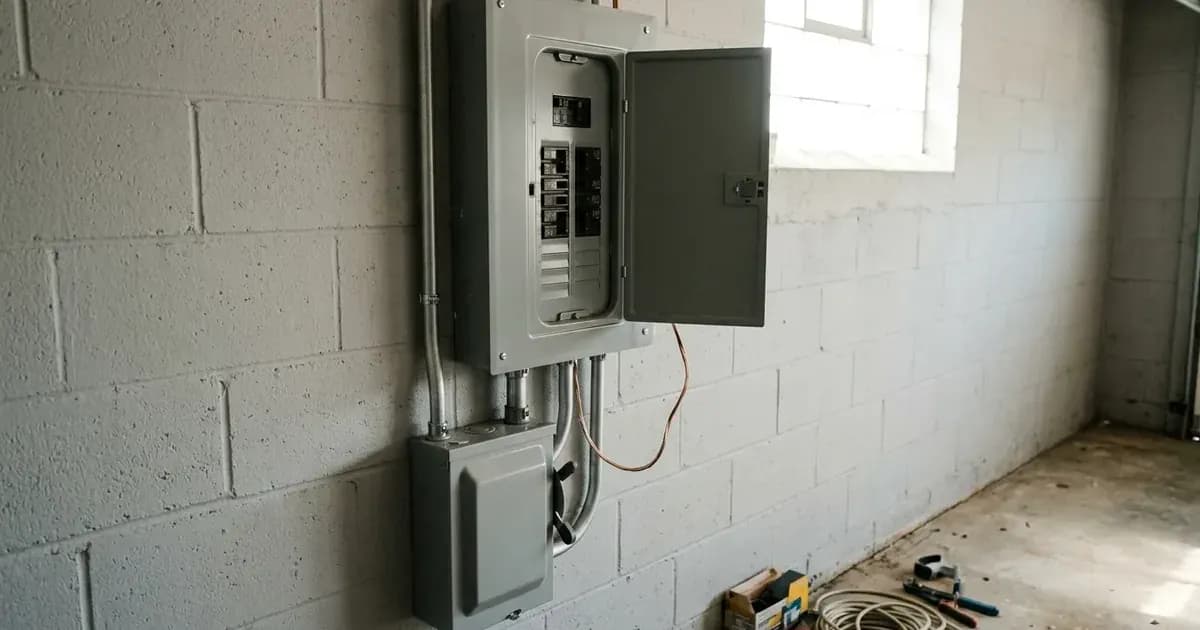
AC Disconnect Switch | Utility Interconnection Rules | Readily accessible switch near meter for manual electrical isolation |
Compliance Documentation | Accredited Solar Installer | Verifies system meets national electrical and connection standards |
Permission to Operate (PTO) | Local Network Operator / Utility | Mandatory formal authorization required before energizing array |
Safety is paramount when connecting a generating system to the grid. A key requirement is the provision of a readily accessible AC disconnect switch. This switch allows the solar PV system to be completely isolated from the grid, which is essential for maintenance, emergencies, and utility work. While the exact placement may vary, it is typically located within a specified distance of the electricity meter, ensuring easy access for utility personnel.
Permission to Operate (PTO)
Operating a solar PV system that is connected to the grid without formal Permission to Operate (PTO) from your utility is strictly prohibited. The PTO process involves your installer submitting documentation to the utility, demonstrating that the installation meets all technical and safety requirements. Once the utility reviews and approves the documentation, they issue the PTO, authorising you to energise your system and export electricity to the grid.
What the published sources do not tell you
The specific technical requirements for solar PV interconnection, such as detailed voltage limits, frequency response settings, and specific equipment certifications beyond general standards, are often determined by individual Distribution Network Operators (utilitys) in Great Britain. These rules can vary slightly by region and are not centrally published in a single, universally accessible document. Furthermore, the precise process and timelines for obtaining Permission to Operate (PTO) can differ between utilitys. Information on specific local network capacity or any potential export limitations is also utility-dependent and not generally available in broad publications.
Frequently asked questions
What are the primary technical requirements for illinois comed and ameren part 466 solar interconnection guide?
Key requirements include compliance with local grid codes, correct equipment certification, and proper electrical isolation.
Who is authorized to install and inspect illinois comed and ameren part 466 solar interconnection guide?
All high-voltage DC, AC grid tie-in, and switchboard modifications must be performed by a qualified, accredited electrical professional.
How is export power limited in illinois comed and ameren part 466 solar interconnection guide?
Export limiting is achieved using certified bidirectional smart meters or power sensors providing dynamic feedback to the inverter system.
References
Related guides
More from schemes, subsidies & financing.