Pse And Avista Washington Solar Interconnection Guide
Updated 17 September 2026 · By SolarNevs Research Desk, Dealer surveys + verified sources · 1 source · Method ↗
Key Takeaways
- Operating a solar system without utility Permission to Operate is strictly prohibited.
- All grid-tied inverters must meet UL 1741-SB and IEEE 1547-2018 anti-islanding standards.
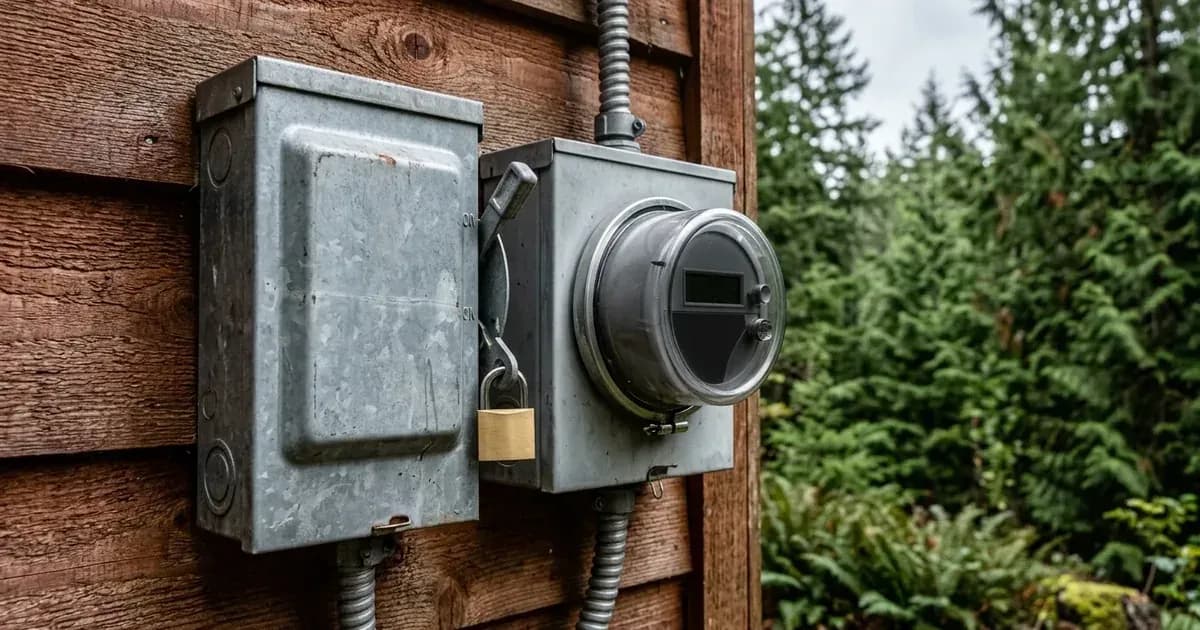
- A lockable, utility-accessible AC disconnect switch is required within 10 feet of the revenue meter.
- Electrical work must comply with Washington L&I Electrical Code and NEC standards, including rapid shutdown and grounding.
Navigating Solar Interconnection with Puget Sound Energy and Avista
Connecting a solar photovoltaic (PV) system to the grid in Washington State, particularly within Puget Sound Energy (PSE) and Avista Corporation service territories, requires adherence to specific technical protocols. These rules ensure the safety and reliability of both your system and the wider electrical grid. This guide outlines the key requirements for simplified interconnection, focusing on technical standards, electrical inspection, and anti-islanding measures.
Understanding Washington's Technical Interconnection Regime
The technical framework for solar interconnection in Washington is governed by WAC 480-108, which outlines the rules for electric companies interacting with electric generators. This framework mandates compliance with several national electrical standards to ensure safety and proper grid operation.
Key technical standards include:
- IEEE 1547-2018: This standard defines the requirements for interconnecting distributed resources with electric power systems. It is crucial for ensuring that your solar inverter can safely interact with the utility grid.
- UL 1741-SB: This certification applies to inverters, converters, controllers, and interconnection system equipment for use with distributed energy resources. It specifically addresses anti-islanding functionality, which prevents your solar system from feeding power onto a de-energised grid section during an outage.
- Labor & Industries (L&I) Electrical Code: All electrical installations in Washington State must comply with the L&I Electrical Code, which incorporates the National Electrical Code (NEC) with state-specific amendments. This ensures the safety of the wiring, components, and overall installation.
Essential Interconnection Requirements
Connecting your solar system to the grid involves several critical steps and equipment specifications. These requirements are in place to protect utility workers, maintain grid stability, and ensure the safe operation of your system.
Parameter | What it means for your solar installation |
|---|---|
Inverter Smart Grid Support Settings | Grid-tied solar inverters must comply with UL 1741-SB and IEEE 1547-2018 anti-islanding parameters. |
Exterior Disconnect Switch Placement | A lockable utility-accessible AC disconnect switch is required within 10 feet of the revenue meter. |
Washington L&I Electrical Inspection | Rooftop PV systems must incorporate rapid shutdown devices complying with NEC 690.12 specifications. |
Neutral-Ground Bonding Protocols | Equipment grounding conductors must be bonded directly to the main building service grounding electrode. |
Dedicated Overcurrent Protection | Dedicated overcurrent protection devices must be sized according to NEC 705.12 120% busbar rules. |
Panelboard Connection Rules | Connection of generating sources to panelboards must follow the 120% ampacity calculation in NEC 705.12. |
Written Permission to Operate Mandate | Operating the generating facility prior to receiving written Permission to Operate is strictly prohibited. |
What You Can Check Yourself, and What You Cannot
As a homeowner, you can perform visual checks and ensure compliance with certain aspects of your solar installation. However, most technical and electrical work requires a qualified, licensed electrician or solar installer.
What you can check:
- Exterior Disconnect Switch Location: Verify that your AC disconnect switch is installed within 10 feet of your revenue meter and is clearly labelled and accessible.
- Warning Signage: Ensure all required weatherproof warning signage plaques are correctly installed and visible.
- System Operation Status: Confirm that you have received written Permission to Operate from your utility (PSE or Avista) before activating your solar generating facility. Operating without this permission is strictly prohibited.
What you cannot (and should not) do yourself:
- Inverter Settings: Do not attempt to change inverter smart grid support settings or anti-islanding parameters. These are set by your installer according to utility requirements and national standards (UL 1741-SB, IEEE 1547-2018). Incorrect settings can lead to safety hazards or grid instability.
- Electrical Wiring and Components: Any work involving dedicated overcurrent protection devices, panelboard connections, equipment grounding conductors, or rapid shutdown devices must be performed by a licensed electrician. These components are critical for safety and compliance with NEC 705.12 and NEC 690.12.
- Opening Enclosures: Opening inverter enclosures or other electrical equipment should only be done by authorised service personnel after isolating all power sources (PV, battery, AC breakers) and waiting for capacitor discharge times specified in the manual.
What the Published Sources Do Not Tell You
While national standards and utility rules provide a comprehensive framework, specific details can vary or may not be explicitly published for public access.
- Utility-Specific Single-Line Diagram Requirements: For PSE service territories, official technical guidance indicates that solar interconnection single-line diagrams must clearly label the main service panel busbar rating and main breaker rating. This level of detail is crucial for utility review but might not be universally published in general interconnection guides.
- Tier 1 Specifics: While the general requirements apply, the specific criteria for "Tier 1 simplified interconnection" (e.g., system size limits, specific application forms, or expedited review processes) are often found in utility-specific handbooks or application portals rather than broad regulatory documents.
- Exact Application Review Timelines: Although utilities are generally expected to process applications within certain timeframes, the precise duration can depend on the completeness of the application, the complexity of the project, and the utility's current workload. These are often internal metrics or subject to change.
- Detailed Inspection Checklists: While the Washington L&I Electrical Code outlines the standards, the exact checklist used by inspectors during a site visit may include specific interpretations or common issues they look for, which are not always published in a consolidated document.
Frequently asked questions
What are the primary technical requirements for pse and avista washington solar interconnection guide?
Key requirements include compliance with local grid codes, correct equipment certification, and proper electrical isolation.
Who is authorized to install and inspect pse and avista washington solar interconnection guide?
All high-voltage DC, AC grid tie-in, and switchboard modifications must be performed by a qualified, accredited electrical professional.
How is export power limited in pse and avista washington solar interconnection guide?
Export limiting is achieved using certified bidirectional smart meters or power sensors providing dynamic feedback to the inverter system.
References
Related guides
More from schemes, subsidies & financing.