South Africa NRS 097 Neutral Earthing Contactor Standards Guide
Updated 16 September 2026 · By SolarNevs Research Desk, Dealer surveys + verified sources · 1 source · Method ↗
Key Takeaways
- Embedded generation in South Africa requires registration with the relevant electricity distributor.
- All grid-interconnected systems must comply with NRS 097 standards.
- A Certificate of Compliance (CoC) is mandatory for all electrical installations.
- High-voltage work and switchgear modifications must be performed by certified, licensed personnel.
What is the purpose of a neutral earthing contactor in island mode in South Africa?
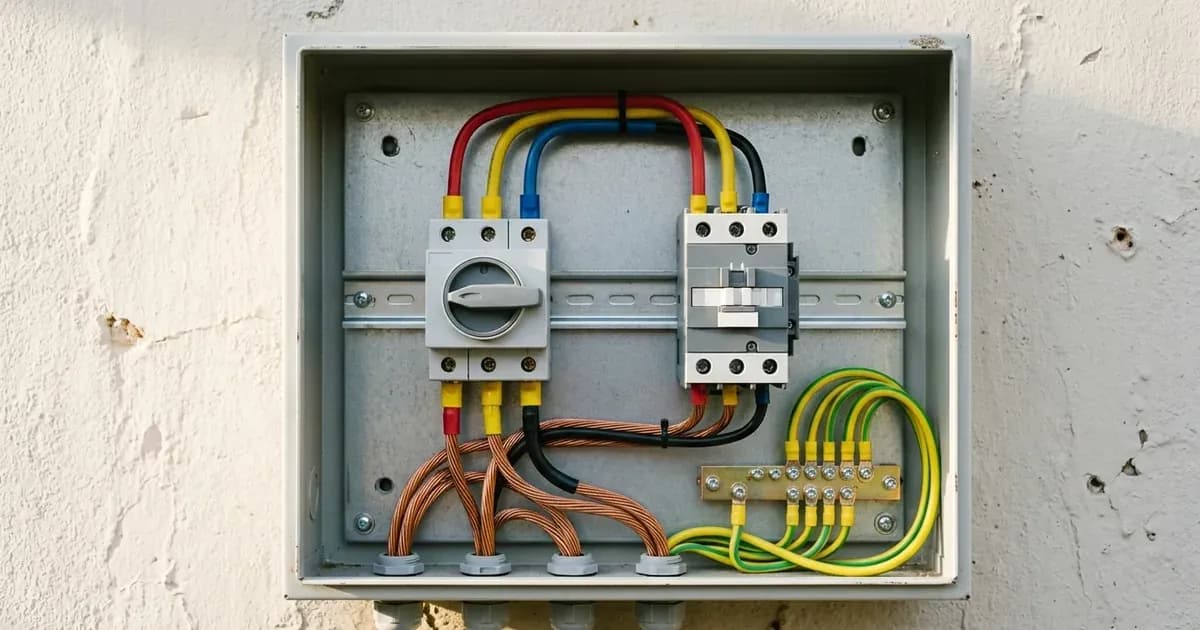
In South Africa, a neutral earthing contactor ensures compliance with NRS 097 and South African national wiring code standards standards when an embedded generation system operates in island mode (off-grid). This mechanism is critical for safety and proper earthing during grid disconnection, often involving a 4-pole changeover switch. When the main grid is disconnected, the local generation system must establish its own neutral-to-earth bond to ensure the correct operation of protective devices and maintain electrical safety.
Understanding South African Standards for Embedded Generation
The operation of embedded generation systems in South Africa, particularly those capable of island mode, is governed by specific national standards. These standards ensure the safety of installations, the protection of personnel, and the integrity of the national electricity grid.
NRS 097 is the primary standard for grid interconnection of embedded generation. It specifies the technical requirements for connecting generation plants to the electricity distribution network. This standard addresses aspects such as power quality, protection, and control. "Systems must comply with NRS 097 standards for grid interconnection."
South African national wiring code standards, also known as the "Wiring of Premises" standard, sets out the requirements for electrical installations in South Africa. It covers earthing arrangements, circuit protection, and general safety provisions. When a system transitions to island mode, the earthing configuration must change to align with South African national wiring code standards requirements for standalone installations.
For any embedded generation system, "Embedded generation must be registered with the relevant distributor." This registration process ensures that the electricity distributor is aware of the generation capacity connected to its network and can manage it appropriately.
The Role of the Neutral Earthing Contactor and 4-Pole Changeover
When an embedded generation system is connected to the grid, the grid typically provides the main earth reference. However, if the grid supply fails or is intentionally disconnected, the local system enters "island mode." In this mode, the grid's earth reference is no longer available.
To maintain safety and ensure the correct operation of residual current devices (RCDs) and other protective equipment, the system must establish its own neutral-to-earth bond. This is where the neutral earthing contactor comes into play. It automatically connects the neutral conductor of the local supply to the earth electrode when the system is operating independently of the grid.
A 4-pole changeover switch is often used in conjunction with the neutral earthing contactor. This switch ensures that all four conductors (three phases and neutral) are completely isolated from the grid when transitioning to island mode. This complete isolation prevents inadvertent back-feeding into the grid, which could endanger utility workers, and allows the local system to safely establish its own earthing arrangements.
Compliance Requirements for Installation
Installing embedded generation systems in South Africa requires adherence to specific regulatory steps and certifications. These are in place to guarantee safety and proper integration with the existing electrical infrastructure.
Requirement | What it means | What to do |
|---|---|---|
Registration | Mandatory notification to the electricity distributor. | "Embedded generation must be registered with the relevant distributor." |
NRS 097 Compliance | Adherence to technical standards for grid connection. | "Systems must comply with NRS 097 standards for grid interconnection." |
Certificate of Compliance (CoC) | Official document certifying installation safety. | "Installations must be certified with a Certificate of Compliance." |
Certified Personnel | Electrical work must be performed by qualified professionals. | High-voltage DC, AC grid interconnection, and switchgear modifications must be performed by certified, licensed personnel. |
The Certificate of Compliance (CoC) is a crucial document. It is issued by a qualified electrician after the installation is complete and confirms that all electrical work complies with South African national wiring code standards and other relevant standards. Without a valid CoC, an installation is not considered legal or safe.
What you can check yourself, and what you cannot
As a homeowner, you can check for the presence of a valid Certificate of Compliance (CoC) for your installation. You can also ensure that your system is registered with your electricity distributor. Visually inspecting your system for obvious damage or loose connections is also possible, but only from a safe distance and without touching any components.
However, you cannot perform any electrical modifications or repairs yourself. High-voltage DC, AC grid interconnection, and switchgear modifications must be performed by certified, licensed personnel. Attempting to modify wiring, change earthing arrangements, or work on the neutral earthing contactor or 4-pole changeover switch without proper certification and licensing is extremely dangerous and illegal. It can lead to severe injury, electrocution, fire, or damage to your property and the grid. Always contact a qualified and licensed electrician for any technical issues or modifications.
What the published sources do not tell you
While official documentation confirms the necessity of registration, NRS 097 compliance, and a Certificate of Compliance, it does not provide specific technical details regarding the design, sizing, or operational parameters of the neutral earthing contactor itself. The exact wiring diagrams for 4-pole changeover switches in various system configurations are also not detailed. These specific engineering guidelines and implementation details are typically found in manufacturer engineering guidelines, detailed statutory regulations, or are part of the expertise held by certified electrical engineers and installers. official documentation also does not specify the exact process or forms required for registration with different electricity distributors in South Africa, as these can vary.
Frequently asked questions
What are the primary technical requirements for south africa nrs 097 neutral earthing contactor standards guide?
Key requirements include compliance with local grid codes, correct equipment certification, and proper electrical isolation.
Who is authorized to install and inspect south africa nrs 097 neutral earthing contactor standards guide?
All high-voltage DC, AC grid tie-in, and switchboard modifications must be performed by a qualified, accredited electrical professional.
How is export power limited in south africa nrs 097 neutral earthing contactor standards guide?
Export limiting is achieved using certified bidirectional smart meters or power sensors providing dynamic feedback to the inverter system.
References
Related guides
More from inverter errors & fixes.