Battery-Swap Infrastructure in Pakistan: Zyp Case Study
Updated 2 August 2026 · By SolarNevs Research Desk, Dealer surveys + verified sources · 3 sources · Method ↗
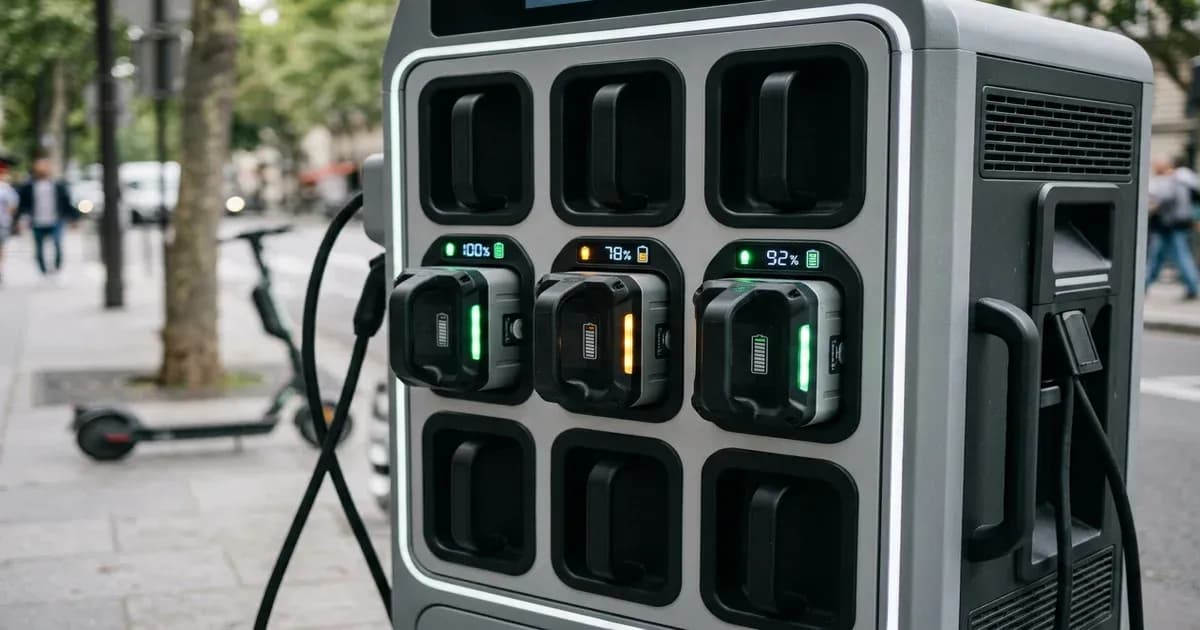
Battery-Swap Infrastructure in Pakistan - Zyp Case Study
{/* visual_plan: stat_block */}
Key Takeaways
- Battery swapping enables electric two-wheeler riders to exchange a depleted battery for a fully charged pack in under 120 seconds.
- Zyp Technologies operates automated battery swap stations across major Pakistani urban hubs including Islamabad, Rawalpindi, and Lahore.
- Battery-as-a-Service (BaaS) subscription models lower initial electric motorcycle purchase prices by 40 percent by decoupling battery ownership.
- Automated swap kiosks charge batteries using off-peak grid power or solar energy, extending battery pack lifespan through temperature-controlled charging.
Introduction
Range anxiety and long charging times represent two major hurdles for electric vehicle adoption in commercial transport. Battery swapping infrastructure in Pakistan, pioneered by innovators such as Zyp Technologies, solves both challenges by replacing 4-hour socket charging with a 2-minute automated battery exchange.
How does battery swapping technology function in Pakistan?
Battery swapping separates electric vehicle ownership into two components - the vehicle chassis and the modular battery pack. Instead of owning a fixed battery that charges via wall plug, riders subscribe to a Battery-as-a-Service (BaaS) network.
When the vehicle battery level drops below 20 percent, the rider navigates to an automated neighborhood swap kiosk using a smartphone application. The rider scans a QR code, inserts the depleted battery module into an open station slot, and retrieves a fully charged battery module from an adjacent slot.
The physical exchange takes less than 2 minutes, allowing commercial delivery riders and commuters to continue their journeys immediately without waiting for charging cables.
What is the Zyp Technologies operational framework and network scale?
Zyp Technologies is a Pakistani clean-tech company building indigenous electric two-wheelers and automated battery swapping networks.
The technical specifications and network operational parameters are summarized in the table below:
System Parameter | Technical Specification | Operational Benefit |
|---|---|---|
Swap Time Duration | Under 120 seconds | Zero charging wait downtime |
Battery Module Chemistry | 60V 30Ah LiFePO4 smart module | High thermal stability up to 55 degrees Celsius |
Single Module Range | 60 km to 75 km per module | Dual module slots double range to 140 km |
Station Recharging Method | Temperature-controlled smart bays | Extends battery pack lifecycle to 3,000 cycles |
Monthly BaaS Subscription | Rs. 4,500 to Rs. 6,500 (July 2026) | Eliminates battery replacement risks for riders |
By managing battery charging inside climate-controlled automated kiosks, swap operators prevent heat-induced battery degradation during hot summer months in Pakistan.
What are the economic benefits of Battery-as-a-Service (BaaS)?
Decoupling battery costs from vehicle purchase prices alters electric two-wheeler economics.
A standard electric motorcycle with an owned lithium battery costs approximately Rs. 220,000 (July 2026). Under a battery swap model, the rider purchases the bike chassis without a battery for Rs. 130,000 (July 2026), reducing upfront capital cost by 41 percent.
The rider pays a monthly BaaS subscription fee of Rs. 5,000 (July 2026) that includes unlimited or tiered battery swaps. Comparing monthly subscription fees against petrol expenses of Rs. 9,500 (July 2026) yields instant monthly operational savings of Rs. 4,500 (July 2026).
What is the future expansion outlook for battery swapping in Pakistan?
Battery swapping infrastructure is expanding rapidly along major urban delivery corridors in Lahore, Karachi, and Islamabad.
As standardization efforts by the Engineering Development Board align battery module form factors across manufacturers, universal swap stations will service multiple electric bike and rickshaw brands, accelerating mass urban fleet electrification across Pakistan.
Call to Action
Explore battery swap station locations in your city and test-ride swappable electric motorcycles to experience instant 2-minute refueling.
Frequently Asked Questions
Is battery swapping safe during monsoon weather conditions?
Yes, automated battery swap stations and swappable battery modules feature IP67 waterproof connectors and automated electrical safety cutoffs.
How do I pay for battery swaps at Zyp stations?
Swaps are billed automatically through a mobile app wallet connected to your monthly BaaS subscription account.
What happens if a battery module fails during a swap?
The automated station diagnostics check module health before release, instantly replacing any faulty module with a certified healthy unit.
References
- edb.gov.pk Source - Engineering Development Board Battery Swap Guidelines (Verified)
- aedb.org.pk Source - Alternative Energy Development Board Storage Report (Verified)
- pbs.gov.pk Source - Pakistan Bureau of Statistics Energy Data (Verified)
Frequently asked questions
Is battery swapping safe during monsoon weather conditions?
Yes, automated battery swap stations and swappable battery modules feature IP67 waterproof connectors and automated electrical safety cutoffs.
How do I pay for battery swaps at Zyp stations?
Swaps are billed automatically through a mobile app wallet connected to your monthly BaaS subscription account.
What happens if a battery module fails during a swap?
The automated station diagnostics check module health before release, instantly replacing any faulty module with a certified healthy unit.
References
- Engineering Development Board — accessed 25 July 2026
- AEDB — accessed 25 July 2026
- Pakistan Bureau of Statistics — accessed 25 July 2026
Related guides
More from going electric in pakistan.