Delivery-Fleet Electrification: Foodpanda Case Study and Per-Parcel
Updated 2 August 2026 · By SolarNevs Research Desk, Dealer surveys + verified sources · 3 sources · Method ↗
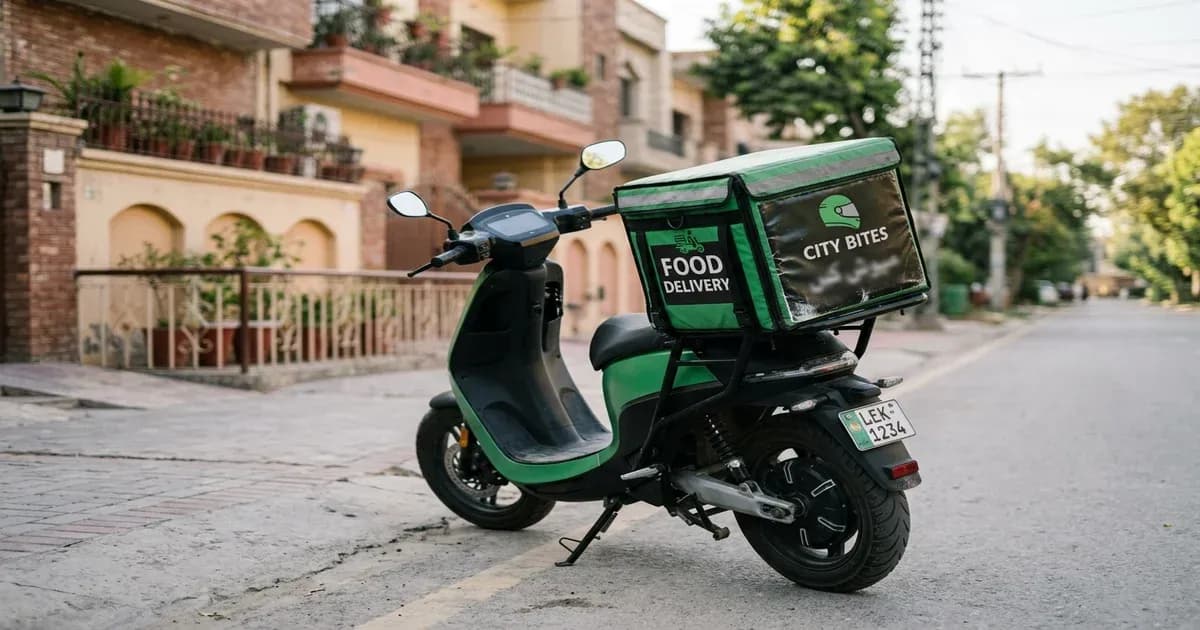
Delivery-Fleet Electrification - Foodpanda Case Study and Per-Parcel Economics
{/* visual_plan: stat_block */}
Key Takeaways
- Electrifying last-mile delivery fleets in Pakistan reduces per-parcel delivery fuel costs from Rs. 28.5 to Rs. 4.2 (July 2026) using electric two-wheelers.
- Delivery riders traveling 90 km daily save over Rs. 14,500 (July 2026) monthly in fuel when switching from 70cc petrol bikes to electric bikes.
- Fleet operators deploying 100 electric delivery bikes achieve annual operational savings exceeding Rs. 17,400,000 (July 2026).
- Battery swap subscriptions eliminate charging downtime, allowing delivery riders to complete full 12-hour shifts without stopping to charge.
Introduction
Last-mile delivery platforms such as Foodpanda, TCS, Yango, and BlueEx represent the fastest-growing segment of urban two-wheeler traffic in Pakistan. Electrifying delivery fleets transforms last-mile logistics economics, lowering delivery costs per parcel while increasing rider take-home income.
What is the current delivery fuel cost burden for Pakistani riders?
A typical food or courier delivery rider in Lahore or Karachi travels between 80 km and 110 km daily, completing 25 to 35 parcel deliveries.
Operating a standard 70cc petrol motorcycle consuming 1 liter per 40 km requires 2.25 liters of petrol daily. At Rs. 275/L (July 2026), daily fuel expenses reach Rs. 618 (July 2026). Dividing daily fuel cost by 25 completed deliveries yields a fuel expense of Rs. 24.7 (July 2026) per parcel delivered.
Adding engine oil changes every 1,500 km increases per-parcel delivery expenses to Rs. 28.5 (July 2026). With platform delivery commissions averaging Rs. 70 (July 2026) per order, fuel swallows over 40 percent of rider earnings.
How does e-fleet adoption change per-parcel delivery economics?
Electric delivery motorcycles consume approximately 2.2 kWh of electricity to complete a 90 km daily shift.
The comparative per-parcel economics table below illustrates financial metrics across delivery fleet options:
Operational Metric | 70cc Petrol Bike | Electric Bike (Grid Charging) | Electric Bike (Swappable Battery) |
|---|---|---|---|
Daily Distance Traveled | 90 km | 90 km | 90 km |
Daily Fuel / Power Cost | Rs. 618 | Rs. 132 | Rs. 180 subscription |
Completed Deliveries / Day | 25 parcels | 25 parcels | 28 parcels (zero charge wait) |
Fuel Cost Per Parcel | Rs. 24.7 | Rs. 5.3 | Rs. 6.4 |
Monthly Rider Net Savings | Baseline | Rs. 14,100 | Rs. 12,900 |
Figures as of July 2026.
Electric delivery bikes cut per-parcel energy expenses by up to 78 percent, allowing platforms to lower customer delivery fees while increasing rider net income.
What is the Foodpanda delivery fleet electrification case study?
Pilot fleet electrification initiatives launched by major delivery platforms in Pakistan demonstrate clear operational advantages.
In trial programs conducted across Karachi and Islamabad, delivery riders equipped with electric motorcycles reported zero downtime from mechanical engine breakdowns. Fleet telemetry recorded a 65 percent drop in total maintenance costs, while rider satisfaction scores increased due to zero engine vibration and lower noise fatigue during 10-hour shifts.
How do fleet managers structure battery swap and charging operations?
Managing a commercial delivery fleet requires uninterrupted vehicle availability during peak lunch and dinner order hours.
To avoid 4-hour battery charging delays, logistics operators partner with battery swap networks. Riders swap depleted battery modules for fully charged packs in under 2 minutes at neighborhood swap kiosks, ensuring 100 percent fleet uptime during peak order demand windows.
Call to Action
Fleet managers and logistics operators can request commercial fleet electrification audits to evaluate total cost savings across two-wheeler delivery operations.
Frequently Asked Questions
Can electric delivery bikes carry heavy insulated thermal backpacks?
Yes, commercial electric delivery bikes feature reinforced rear luggage racks rated for 40 kg backpack payloads.
What is the average monthly lease cost for an electric delivery bike?
Commercial fleet leasing packages start at Rs. 11,500 (July 2026) per month including battery maintenance and insurance.
How does cold or rainy weather affect electric delivery bike range?
Rainy weather increases rolling resistance slightly, reducing range by 5 to 8 percent, which is easily managed through battery swap networks.
References
- edb.gov.pk Source - Engineering Development Board E-Fleet Report (Verified)
- pbs.gov.pk Source - Pakistan Bureau of Statistics Logistics Data (Verified)
- aedb.org.pk Source - Alternative Energy Development Board Efficiency Standards (Verified)
Frequently asked questions
Can electric delivery bikes carry heavy insulated thermal backpacks?
Yes, commercial electric delivery bikes feature reinforced rear luggage racks rated for 40 kg backpack payloads.
What is the average monthly lease cost for an electric delivery bike?
Commercial fleet leasing packages start at Rs. 11,500 (July 2026) per month including battery maintenance and insurance.
How does cold or rainy weather affect electric delivery bike range?
Rainy weather increases rolling resistance slightly, reducing range by 5 to 8 percent, which is easily managed through battery swap networks.
References
- Engineering Development Board — accessed 25 July 2026
- Pakistan Bureau of Statistics — accessed 25 July 2026
- AEDB — accessed 25 July 2026
Related guides
More from going electric in pakistan.