Why Pakistan Is Leapfrogging the Grid: The Big Narrative Essay
Updated 2 August 2026 · By SolarNevs Research Desk, Dealer surveys + verified sources · 3 sources · Method ↗
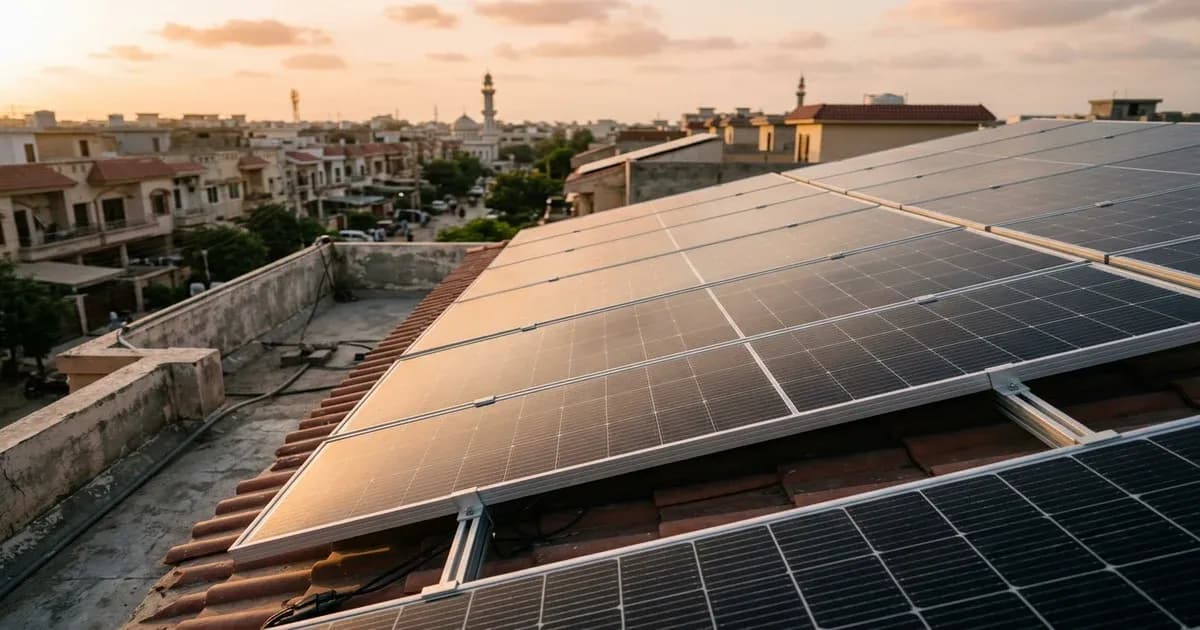
Why Pakistan Is Leapfrogging the Grid - The Big Narrative Essay
{/* visual_plan: stat_block */}
Key Takeaways
- High utility tariffs averaging Rs. 65/kWh (July 2026) and persistent capacity payment burdens are motivating mass consumer defection from central power grids in Pakistan.
- Plummeting solar module prices below Rs. 30/W (July 2026) have made distributed self-generation dramatically cheaper than utility grid electricity.
- Pakistan is following the cellular telecommunications model, leapfrogging traditional centralized grid infrastructure directly to decentralized solar-plus-storage energy.
- Widespread private solar adoption forces electric distribution companies (DISCOs) to restructure business models toward distributed net billing and grid management.
Introduction
Thirty years ago, developing nations across Asia skipped expensive copper landline telephone networks and moved straight to cellular technology. Today, Pakistan is executing a similar structural leapfrog in energy. Frustrated by escalating utility electricity tariffs, power outages, and capacity debt, millions of Pakistani households and businesses are stepping away from central power grids to generate their own electricity through rooftop solar panels and battery storage.
What structural economic factors are pushing consumers off the grid?
The primary catalyst behind Pakistan's energy leapfrog is the widening price gap between utility grid tariffs and private solar generation costs.
Centralized power tariffs in Pakistan have escalated dramatically. Informed by dollar-indexed capacity payments, high transmission losses, and fiscal taxation, residential utility electricity rates average Rs. 65/kWh (July 2026) for upper-tier consumers. For commercial enterprises, tariffs exceed Rs. 72/kWh (July 2026).
Simultaneously, global solar equipment prices have plummeted. Photovoltaic module prices have dropped to Rs. 30/W (July 2026), while Lithium Iron Phosphate (LiFePO4) storage batteries have become affordable. Amortized over a 25-year panel lifespan, rooftop solar generates electricity at a levelized cost of under Rs. 6/kWh (July 2026). Facing a tenfold price difference, consumers equipped with financial capital are rapidly installing private solar systems.
How does energy leapfrogging mirror the mobile phone transformation?
The structural parallels between telecommunications and energy in Pakistan are striking.
In the 1990s, expanding state-owned landline phone networks required massive capital outlay, bureaucratic delays, and decades of civil works. Cellular technology rendered landlines obsolete by putting wireless connectivity directly in the hands of individuals.
The macro comparison table below illustrates this infrastructure shift across sectors:
Economic Sector | Centralized Legacy Model | Decentralized Leapfrog Model | Economic Driver |
|---|---|---|---|
Telecommunications | Copper landline telephone networks | Cellular mobile smartphones | Lower infrastructure capital cost |
Transportation | Centralized petrol distribution | Solar-charged electric vehicles | Zero daily fuel operating expense |
Power Generation | Thermal power plants & DISCO grids | Rooftop solar PV + battery storage | Levelized cost Rs. 6/kWh vs Rs. 65/kWh (July 2026) |
Financial Services | Traditional bank branch networks | Mobile wallet digital banking | Smooth instant transactions |
Just as citizens bypassed landline waiting lists, Pakistani property owners are bypassing utility grid dependency by converting roofs into private power stations.
What are the financial implications for state utilities and DISCOs?
Massive private solar adoption creates serious structural challenges for distribution companies (DISCOs). As high-paying industrial, commercial, and affluent residential customers transition to rooftop solar, utility electricity sales volume drops sharply.
This trend creates a utility death spiral. Remaining fixed grid maintenance costs and capacity payments are spread over fewer units of grid electricity sales, forcing regulators to raise tariffs further. Higher tariffs, in turn, motivate the next tier of consumers to adopt solar systems.
To survive, DISCOs are shifting away from pure energy sales toward grid stabilization services, implementing net billing rules, and encouraging local battery storage to smooth daytime export surges.
What is the ultimate destination of Pakistan's decentralized energy shift?
Pakistan is rapidly transforming into a country powered by micro-grids and self-generating energy nodes. Rooftop solar combined with affordable storage batteries and electric vehicles creates resilient micro-economies immune to central utility price shocks.
By leapfrogging traditional centralized grid reliance, Pakistani households and businesses are building a democratized, clean, and highly cost-effective energy system for the future.
Call to Action
Read more about Pakistan's changing energy market policy to understand how decentralized rooftop solar can insulate your home or business from rising utility costs.
Frequently Asked Questions
Will rooftop solar completely replace the central utility grid in Pakistan?
While total grid disconnection remains rare, millions of consumers use the grid purely as a secondary backup while generating 80 to 90 percent of their energy from rooftop solar.
How does grid leapfrogging impact lower-income households?
As solar costs continue declining, community micro-grids and micro-financed solar setups extend low-cost renewable power to lower-income urban and rural communities.
What role do electric vehicles play in energy leapfrogging?
EVs act as mobile battery energy storage units, allowing households to store excess daytime solar power and consume or export it during peak grid demand hours.
References
- nepra.org.pk Source - NEPRA State of Industry Report (Verified)
- pbs.gov.pk Source - Pakistan Bureau of Statistics Trade Statistics (Verified)
- aedb.org.pk Source - Alternative Energy Development Board Renewable Vision (Verified)
Frequently asked questions
Will rooftop solar completely replace the central utility grid in Pakistan?
While total grid disconnection remains rare, millions of consumers use the grid purely as a secondary backup while generating 80 to 90 percent of their energy from rooftop solar.
How does grid leapfrogging impact lower-income households?
As solar costs continue declining, community micro-grids and micro-financed solar setups extend low-cost renewable power to lower-income urban and rural communities.
What role do electric vehicles play in energy leapfrogging?
EVs act as mobile battery energy storage units, allowing households to store excess daytime solar power and consume or export it during peak grid demand hours.
References
- NEPRA — accessed 25 July 2026
- Pakistan Bureau of Statistics — accessed 25 July 2026
- AEDB — accessed 25 July 2026
Related guides
More from reports & data stories.