UK ESQCR 2002 Regulation 24: Consumer Equipment and BS 7671 Safety Guide
Updated 15 September 2026 · By SolarNevs Research Desk, Dealer surveys + verified sources · 1 source · Method ↗
Key Takeaways
- Regulation 24 governs distributor and meter operator equipment located on consumer premises.
- It mandates that this equipment must be suitable for purpose, maintained to prevent danger, and properly protected.
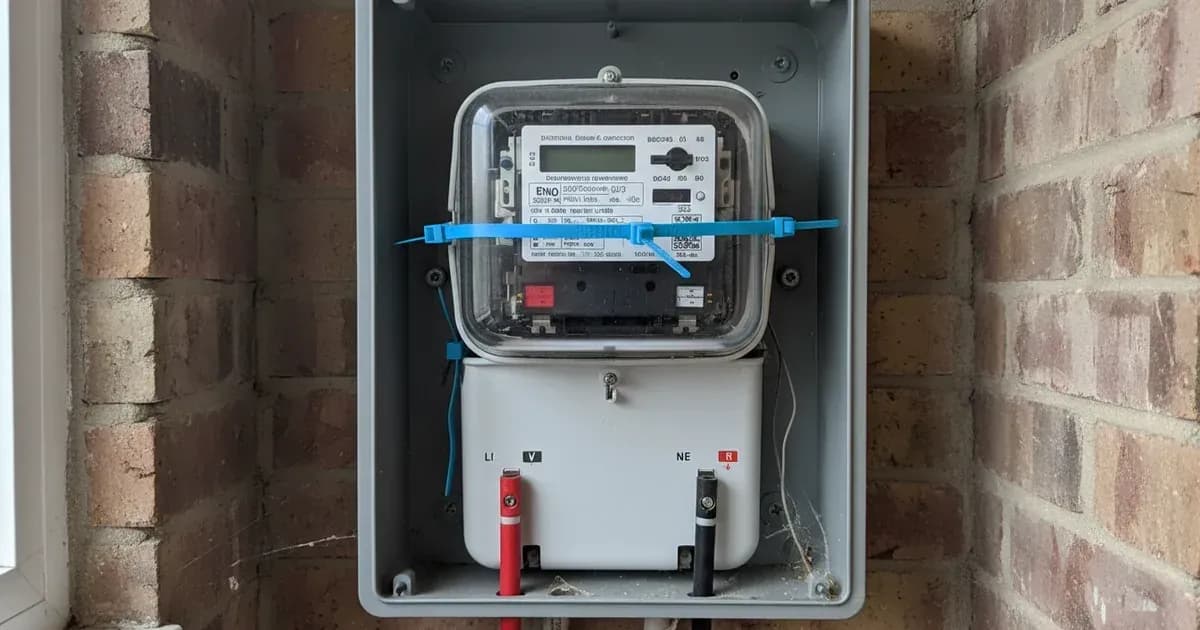
- All protective devices must be in locked or sealed containers, and conductors must have permanent polarity markings.
- Installers must never tamper with DNO seals; always coordinate with the DNO for isolation or upgrades.
What is ESQCR 2002 Regulation 24 and why is it important for solar installations?
Regulation 24 of the Electricity Safety, Quality and Continuity Regulations 2002 (S.I. 2002/2665) sets mandatory statutory obligations for electricity distributors and meter operators. It ensures that all service equipment, cut-outs, circuit breakers, and metering enclosures situated on consumer premises are suitable for purpose, maintained to prevent danger, and correctly installed. For solar PV and battery storage installations, understanding and complying with Regulation 24 is critical for safe and legal integration at the supply intake position.
Understanding Regulation 24: Key Provisions
Regulation 24 outlines specific requirements for distributor and meter operator equipment on a consumer's premises. These provisions ensure safety and operational integrity at the point where the consumer's electrical system connects to the network.
- Equipment Suitability and Maintenance: The distributor or meter operator "shall ensure that each item of his equipment which is on a consumer" is "(a) suitable for its purpose; and (b) installed and, so far as is reasonably practicable, maintained so as to prevent danger". This means all components, from service heads to metering, must be appropriate for their function and kept in a safe condition.
- Protective Device Location: Equipment must be "protected by a suitable fusible cut-out or circuit breaker which is situated as close as is reasonably practicable to the supply terminals." This ensures rapid disconnection in case of a fault, minimizing risk.
- Enclosure Security: "Every circuit breaker or cut-out fuse forming part of the fusible cut-out" must be "enclosed in a locked or sealed container as appropriate." This prevents unauthorized access and tampering with critical protective devices.
- Conductor Polarity Marking: The distributor or meter operator "shall mark permanently, so as clearly to identify the polarity of each of them, the separate conductors of low voltage electric lines which are connected to supply terminals". These markings must be "clearly legible and permanent throughout the operational lifespan of the connection." This is vital for correct and safe connection of consumer equipment, including solar inverters.
These provisions apply across various installation types, from Domestic Solar PV & Storage Intakes (100A Single-Phase Cut-Out Enclosure) to Commercial Three-Phase Solar Intakes (CT Metering Chambers) and Multi-Occupancy & Industrial Substation Intakes (Main Incomer Switchboards).
Common Non-Compliance Issues and How to Avoid Them
Non-compliance with Regulation 24 can lead to safety hazards, network instability, and legal penalties. Installers must be aware of potential issues and take proactive steps to ensure adherence.
Issue Detail | Regulatory Breach | Prevention / Compliance Step |
|---|---|---|
Unsealed Cut-Out Tampering | Unlawfully breaking distributor seals or opening locked cut-out enclosures during solar PV or battery installation. | Never cut DNO security seals or pull main service fuses. Always arrange formal isolation through the supplier or network operator before commencing work near distributor equipment. |
Reversed Supply Polarity | Failure to verify permanent distributor polarity markings on phase and neutral conductors before connecting inverter equipment. | Verify correct line and neutral polarity at supply terminals using calibrated test instruments before commissioning inverters. Ensure markings are clearly legible. |
Inadequate Short-Circuit Protection | Failing to coordinate short-circuit protection at the supply intake interface with distributor fusible cut-outs. | Ensure solar generation AC isolators and distribution boards maintain compliant fire-retardant enclosures adjacent to the intake. Coordinate with the DNO for appropriate protection. |
Obstructing Equipment | Obstructing or failing to maintain required physical clearances around distributor cut-outs and metering equipment. | Maintain required physical clearances around distributor equipment as per DNO guidelines and BS 7671. |
Practical Steps for Compliance in Solar PV and Battery Installations
Integrating solar PV and battery storage systems requires careful attention to the existing supply infrastructure. Following these steps helps ensure compliance with Regulation 24 and overall electrical safety.
- Inspect Distributor Equipment: Prior to commencing any electrical installation works for solar PV, inspect the distributor cut-out seals and the overall condition of the equipment. Document any pre-existing damage or unsealed enclosures.
- Verify Polarity: Use calibrated test instruments to verify the correct line and neutral polarity at the supply terminals before connecting any inverter equipment. This is a critical safety check to prevent reversed polarity.
- Coordinate with Network Operators: Where service head upgrades, isolation switches, or modifications to distributor equipment are required for battery retrofits or new solar installations, coordinate directly with the Distribution Network Operator (DNO) or Meter Operator (MOP). This ensures work is approved and carried out safely. You can find more information on network connection consent in our guide on
/pk/guides/money/uk-domestic-solar-permitted-development-gpdo-class-a-guide. - Maintain Compliant Enclosures: Ensure that solar generation AC isolators and distribution boards maintain compliant fire-retardant enclosures. These should be located adjacent to the intake point, adhering to safety standards like BS 7671.
- Verify Protective Bonding: Verify that main protective bonding conductors connect securely to the distributor earthing terminal in accordance with BS 7671. Proper earthing is fundamental for safety. For detailed guidance on earthing, refer to our guide on
/pk/guides/money/smart-export-guarantee-explained-uk.
Safety and Best Practices
Working near the main supply intake requires extreme caution. The following safety guidelines are paramount:
- Never interfere with DNO equipment: Never cut DNO security seals or pull main service fuses. These actions are unlawful and extremely dangerous.
- Formal Isolation: Always arrange formal isolation through the electricity supplier or network operator before attempting any work that requires interaction with the main cut-out or service head. This ensures the supply is safely disconnected.
- Maintain Clearances: Ensure all solar PV and battery equipment is installed with adequate physical clearances around distributor cut-outs and metering equipment. Obstruction can hinder maintenance or emergency access.
- BS 7671 Compliance: All aspects of the solar PV electrical installation, particularly at the supply intake, must comply with BS 7671. This includes appropriate cable sizing, protective devices, and earthing arrangements. Our guide on
/pk/guides/money/bs-7671-section-712-solar-pv-electrical-installation-guideprovides further details.
When to Involve the DNO or Meter Operator
While installers are responsible for their work, certain tasks fall under the exclusive purview of the DNO or Meter Operator. You must involve them when:
- Breaking Seals: Any work requiring the breaking of DNO security seals on cut-outs or meters.
- Isolation: The main supply needs to be isolated at the cut-out for safe working.
- Upgrades or Alterations: The existing service head, cut-out, or metering equipment requires upgrading, relocation, or alteration to accommodate the new solar PV or battery system.
- Faults on DNO Equipment: You identify any faults, damage, or safety concerns with the distributor's equipment.
Attempting these actions without proper authorization and coordination is a serious regulatory breach and poses significant safety risks.
Frequently asked questions
What is the purpose of UK ESQCR 2002 Regulation 24?
Regulation 24 of the Electricity Safety, Quality and Continuity Regulations 2002 sets mandatory statutory obligations for electricity distributors and meter operators regarding their equipment on consumer premises. It ensures this equipment is suitable for purpose, maintained to prevent danger, and properly protected.
What equipment does Regulation 24 cover on consumer premises?
It covers distributor and meter operator equipment such as service heads, cut-outs, circuit breakers, and metering enclosures. This applies to domestic, commercial, and industrial installations, including those with solar PV and battery storage.
What are the key requirements for protective devices under Regulation 24?
Protective devices, such as fusible cut-outs or circuit breakers, must be situated as close as reasonably practicable to the supply terminals. They must also be enclosed in a locked or sealed container to prevent unauthorized access.
Why is conductor polarity marking important under Regulation 24?
Regulation 24 mandates that separate conductors of low voltage electric lines connected to supply terminals must be permanently marked to clearly identify polarity. This ensures safe and correct connection of electrical equipment, including solar inverters.
Who is responsible for ensuring compliance with Regulation 24?
Electricity distributors and meter operators are the responsible parties for ensuring their equipment on consumer premises complies with Regulation 24. However, installers of solar PV and battery systems must be aware of these requirements to ensure their work interfaces correctly and safely with the distributor's equipment.
References
- Electricity Safety, Quality and Continuity Regulations 2002, Regulation 24 — accessed 23 August 2026
Related guides
More from what to buy — and how not to get cheated.