UK ESQCR 2002 Regulation 22: Parallel Generation and Safety Guide
Updated 16 September 2026 · By SolarNevs Research Desk, Dealer surveys + verified sources · 1 source · Method ↗
Key Takeaways
- Non-compliance with Regulation 22 can lead to grid disconnection and safety hazards.
- The first check for any parallel generation system is its electrical output per phase to determine the correct compliance path.
- Automatic loss-of-mains disconnection is a critical safety feature mandated by law for all grid-tied systems.
- If your system exceeds 16 amperes per phase, you must secure a formal connection agreement with your Distribution Network Operator (DNO).
What is UK ESQCR 2002 Regulation 22 for Parallel Generation?
Regulation 22 of the Electricity Safety, Quality and Continuity Regulations 2002 (S.I. 2002/2665) sets the statutory framework for connecting any energy source in parallel with an electricity distribution network in the UK. This includes solar photovoltaic (PV) inverters, battery storage systems, combined heat and power (CHP) units, and other microgenerators. The regulation ensures that such connections do not pose a danger or interfere with the network or other consumers' supply.
The regulation outlines two primary paths for parallel connection. The general requirement under Regulation 22(1) mandates specific equipment, competent personnel, compliance with British Standard Requirements (BS 7671), and a formal agreement with the network distributor. However, a simplified exemption exists under Regulation 22(2) for smaller installations, often referred to as microgeneration.
Diagnosis: Determining Your Compliance Path
Understanding which compliance path applies to your parallel generation system is the first step. This depends primarily on your system's electrical output.
- Check System Capacity:
- If your system's electrical output does not exceed 16 amperes per phase at low voltage: You may qualify for the simplified exemption under Regulation 22(2). This applies to single-phase systems up to 3.68 kW (16A at 230V) and three-phase systems up to 11.04 kW (16A at 400V). These are typically domestic or small commercial installations.
- If your system's electrical output exceeds 16 amperes per phase: You must follow the general requirements under Regulation 22(1), which necessitates a formal bilateral connection agreement with your Distribution Network Operator (DNO). This applies to larger commercial or industrial systems.
- Verify Loss-of-Mains Protection:
- For any system connected in parallel, especially those seeking the simplified exemption, the energy source must be configured to disconnect itself electrically from the parallel connection when the distributor's equipment disconnects the supply. This is known as automatic loss-of-mains disconnection. This feature prevents islanding, a dangerous condition where your system continues to energize a section of the grid that the DNO believes is de-energized.
- Confirm DNO Notification:
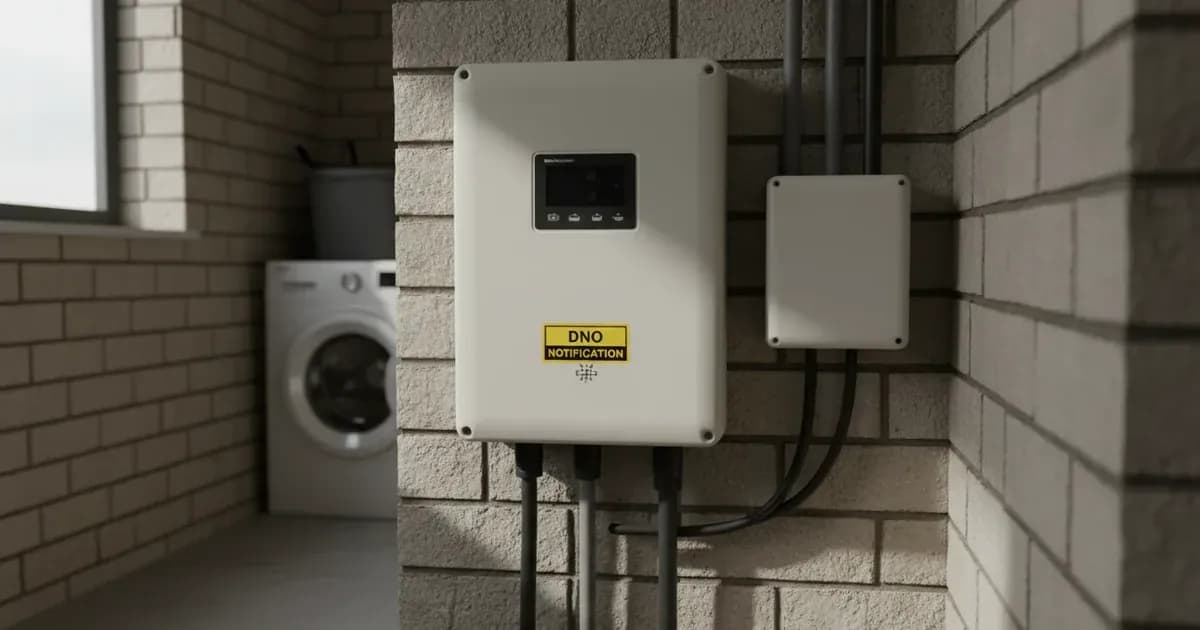
- For systems qualifying for the simplified exemption (<=16A per phase), the distributor must be advised of your intention to use the energy source in parallel with the network before, or at the time of, commissioning the source. This is a notification, not a full agreement.
Compliance Requirements and Consequences
Adhering to Regulation 22 is a statutory obligation. Failure to comply can result in significant safety risks and legal consequences, including disconnection of your supply.
Requirement | Statutory Mandate | Details and Implications |
|---|---|---|
**General Parallel Operation | Regulation 22(1) | No person shall install or operate a source of energy in parallel with a distributor’s network unless they have the necessary and appropriate equipment to prevent danger or interference, competent personnel and procedures, comply with British Standard Requirements (BS 7671), and agree specific requirements with the distributor. |
Simplified Exemption Threshold | Regulation 22(2)(a) | The electrical output of the energy source must not exceed 16 amperes per phase at low voltage. This threshold defines eligibility for a less formal connection process. |
Single-Phase Capacity Limit | Derived from 16A @ 230V | For single-phase systems, this corresponds to a maximum output of 3.68 kW. Exceeding this requires a formal connection agreement. |
Three-Phase Capacity Limit | Derived from 16A @ 400V | For three-phase systems, this corresponds to a maximum output of 11.04 kW. Exceeding this requires a formal connection agreement. |
Automatic Loss-of-Mains Disconnection | Regulation 22(2)(b) | The energy source must be configured to disconnect itself electrically from the parallel connection when the distributor’s equipment disconnects the supply. This is a critical safety feature to prevent islanding. |
DNO Notification for Exemption | Regulation 22(2)(c) | The person installing the energy source must ensure the distributor is advised of the intention to use the source in parallel before, or at the time of, commissioning. This applies to systems under the 16A per phase exemption. |
British Standard Requirements | Regulation 22(1)(c) & Regulation 1 | For low voltage consumer installations, compliance with British Standard Requirements for Electrical Installations BS 7671 is mandatory. This ensures the electrical safety of the installation. |
Distributor Consent on Connections | Regulation 25 | No person shall make or alter a connection to a distributor’s network without that distributor’s consent, unless such consent has been unreasonably withheld. This underpins the DNO's authority over network connections. |
Distributor Disconnection for Danger | Regulation 26 | Where a connection poses a danger or interference risk, the distributor may issue a notice requiring remedial works. Failure to comply can lead to disconnection of supply. |
Practical Steps for Compliance
Ensuring your installation meets Regulation 22 involves several practical steps, from equipment selection to communication with your DNO.
1.Verify Inverter Certification:Before commissioning, verify that your inverter has Type Test certification. This certification confirms that the inverter's integrated loss-of-mains relay protection meets the required standards for safe parallel operation. 2.DNO Notification for Microgeneration:For systems not exceeding 16 amperes per phase, submit the required notification form to your local Distribution Network Operator (DNO) at or before the time of commissioning. This fulfills the requirement under Regulation 22(2)(c). You can find more information on connecting domestic solar systems in our guide to UK Domestic Solar Permitted Development. 3.Formal Connection Agreement for Larger Systems:If your system's electrical output exceeds 16 amperes per phase, you must obtain a formal bilateral connection agreement from the DNO prior to energizing the system. This is a more involved process than simple notification. For commercial installations, this is a key part of compliance, as discussed in our Commercial Solar EPC Ratings Guide. 4.Adhere to BS 7671:** Ensure all electrical installation work complies with the British Standard Requirements for Electrical Installations BS 7671. This covers aspects like wiring, earthing, and protection devices.
Safety: Preventing Danger and Interference
The core purpose of Regulation 22 is to prevent danger and interference with the electricity network. This includes protecting DNO personnel, other consumers, and the integrity of the grid itself.
- Automatic Loss-of-Mains Disconnection: The inverter must automatically cease energizing the distribution network within specified trip times upon mains loss. This is crucial to prevent "islanding," where your system continues to supply power to a section of the grid that is otherwise de-energized. Such a situation poses a severe electrocution risk to DNO engineers working on what they believe to be a dead network.
- Dedicated AC Isolators: Maintain dedicated AC isolators accessible to maintenance personnel. These should be located adjacent to both the billing meter and the inverter, allowing for safe isolation of the generation source.
- Electrical Installation Standards: Verify earth loop impedance and test RCD (Residual Current Device) tripping characteristics in accordance with BS 7671. Proper earthing and fault protection are fundamental to electrical safety.
- Preventing Fault Modes: Be aware of potential fault modes, such as injecting power into an islanded network section during a distribution fault. This can cause damage to asynchronous reclosure equipment and create hazardous conditions. Operating unapproved parallel inverters without loss-of-mains protection directly contributes to these risks.
When to Seek Professional Advice
While this guide provides an overview of Regulation 22, the complexities of electrical installations and statutory compliance often require expert assistance.
- System Exceeding 16 Amperes Per Phase: If your system's electrical output exceeds 16 amperes per phase, the requirement for a formal DNO connection agreement means you should engage with qualified professionals who can manage this process.
- Uncertainty Regarding BS 7671 Compliance: If you are unsure whether your installation fully complies with British Standard Requirements for Electrical Installations BS 7671, consult a qualified electrician or installer. They can perform necessary tests and certifications.
- DNO Requests or Concerns: If your DNO raises concerns about your installation, requests remedial works, or threatens disconnection under Regulation 25 or 26, seek immediate professional advice. These are statutory actions that require expert intervention to resolve.
- Complex System Designs: For complex systems involving multiple generation sources, battery storage, or advanced grid services, professional design and installation ensure all regulatory requirements are met.
- Warranty Voidance: Attempting to modify or connect systems in a manner that violates statutory regulations or manufacturer guidelines can void equipment warranties and lead to significant liabilities.
Connecting parallel generation sources to the grid is a serious undertaking with statutory implications. Prioritizing safety and compliance protects both your investment and the wider electricity network.
Frequently asked questions
What is Regulation 22 of the Electricity Safety, Quality and Continuity Regulations 2002?
Regulation 22 of S.I. 2002/2665 establishes the statutory rules for connecting energy sources in parallel with electricity distribution networks in the UK. It mandates safety equipment, competent personnel, compliance with British Standard Requirements, and agreement with the network distributor to prevent danger or interference.
When can I connect a generation source in parallel without a formal DNO agreement?
You can connect without a formal agreement if your electrical output does not exceed 16 amperes per phase at low voltage, the system automatically disconnects upon loss of mains, and you notify the distributor before or at commissioning. This is a simplified exemption under Regulation 22(2).
What is the maximum power output for the 16A per phase exemption?
For single-phase systems, the maximum output is 3.68 kW (16A at 230V). For three-phase systems, the maximum output is 11.04 kW (16A at 400V). These limits apply to systems seeking the simplified connection exemption.
What is 'loss-of-mains disconnection' and why is it important?
Loss-of-mains disconnection requires your generation source to automatically disconnect from the grid if the distributor's supply is lost. This is critical to prevent 'islanding,' where your system continues to energize a section of the grid, creating a severe danger to maintenance personnel and potentially damaging equipment.
What are the consequences of non-compliance with Regulation 22?
Non-compliance can lead to the distributor refusing connection under Regulation 25 or disconnecting your supply under Regulation 26 if your installation poses a danger or interference risk. Operating unapproved parallel inverters without loss-of-mains protection can trigger these actions.
References
- The Electricity Safety, Quality and Continuity Regulations 2002 (S.I. 2002/2665) — accessed 23 August 2026
Related guides
More from what to buy — and how not to get cheated.