What Maintenance Does an EV Actually Need? The Full List
Updated 6 September 2026 · By SolarNevs Research Desk, Dealer surveys + verified sources · 1 source · Method ↗
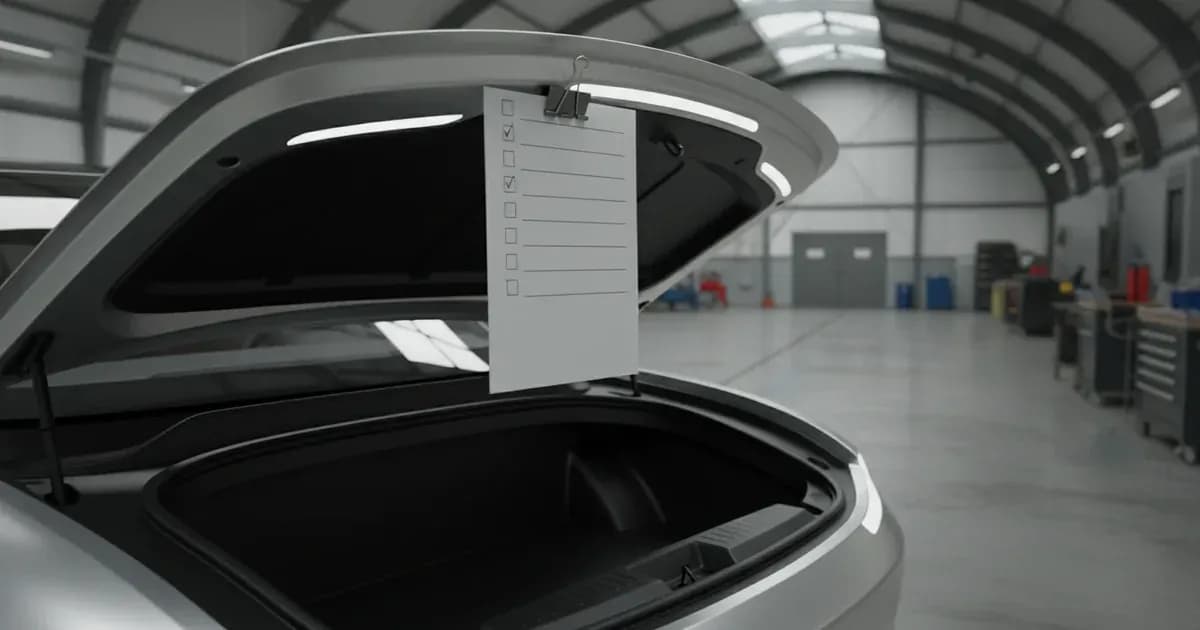
Key Takeaways
- The whole schedule fits on an index card: tires, cabin filter, brake fluid, coolant intervals, 12-volt, wipers, software — the DOE's guidance says the same in prose.
- What vanished is the bigger list: oil, plugs, belts, exhaust, emissions, transmission service — the combustion-support economy.
- The two most-neglected items are the humblest: the 12-volt battery (the classic stranding) and tire rotations (the heavy-torquey-car tax).
- Batteries and motors aren't maintenance items at all — they're monitored systems with warranties measured in years and six figures of miles.
The complete list, honestly
Item | Cadence | Why it matters on an EV |
|---|---|---|
Tire rotation & pressures | Rotations per schedule; pressures monthly | Weight + torque wear tires fastest — the #1 recurring cost |
Cabin air filter | Annually-ish | Your HVAC's filter; the only "engine bay" filter left |
Brake fluid | Per schedule (multi-year) | Hydraulics age even when regen does the braking |
Coolant (battery/electronics) | Long intervals per manual | Thermal management is pack-lifespan care |
12-volt battery | Inspect with service; replace proactively | Its death strands a full pack — see our jump-start guide |
Wipers & washer fluid | As ever | Unchanged by electrification |
Software updates | Over-the-air, ongoing | Fixes, features, sometimes range — done while you sleep |
Brake pads | Inspect; replace rarely | Regen makes them near-heirlooms; exercise them occasionally |
Per DOE AFDC guidance and typical manufacturer schedules; your manual is the contract.
The list that disappeared
Reading a gas car's schedule after owning an EV is an anthropology exercise: oil and filter every few months; spark plugs; engine air filters; accessory belts; coolant flushes on combustion's hot clock; exhaust systems rusting from the inside; emissions inspections; transmission fluid and its ominous "service." Every line existed to keep controlled explosions happening smoothly, and every line exits with the explosions. This is the structural reason EV scheduled maintenance runs a fraction of combustion's — a fleet-operator commonplace long before it was a consumer talking point, and the second pillar (after fuel) of the cost story our solar-charging guides complete.
The two items that actually bite
The 12-volt. The most common EV roadside call isn't the big battery — it's the little one that boots the car. It lives a harder life than intuition suggests and its failure is absolute (no boot, no drive, full pack irrelevant). Have it tested when it's a few years old; replace it proactively; keep a booster pack. Our jump-start guide covers the ritual.
Rotations. Skipping rotations on a light gas car costs some tread life. Skipping them on a heavy instant-torque EV produces visibly uneven wear and premature replacement of the schedule's most expensive consumable. The discipline is boring and the arithmetic isn't.
What about the battery and motor?
Neither appears on the list because neither is serviceable in the oil-change sense — they're monitored, warrantied systems. Your contributions are habits, not wrenches: avoid living at 100% charge or roasting at fast-chargers daily (gentle charging is pack care — our charging guides elaborate), and let thermal management do its work. Packs are warrantied for eight-plus years and six-figure mileages as a regulatory floor, and the service conversation, when it ever comes, is a warranty conversation rather than a maintenance one. The motor, with its one moving part, mostly outlives the discussion.
The index card is the story: electrification didn't just change the fuel — it deleted most of the service industry's reasons to see you. What remains is tires, vigilance about one small battery, and software that improves the car while you sleep. Budget accordingly, and spend the difference on the panels that make the fuel free too.
Keep reading: the oil-change question · EV gears · EV tires.
Frequently asked questions
What maintenance does an electric car need?
Tire rotations and pressures, cabin air filter changes, brake-fluid service per schedule, long-interval coolant checks, wiper blades, 12-volt battery attention, and software updates. That's substantially the whole list.
What gas-car maintenance disappears with an EV?
Oil changes, spark plugs, engine air filters, accessory belts, exhaust and emissions work, and transmission service — the combustion-support economy, gone with the combustion.
What's the most neglected EV maintenance item?
The 12-volt battery — its failure is the classic EV stranding — followed by tire rotations, which matter more on heavy, high-torque cars than owners expect.
Do EVs need annual dealer service?
Check your manual: many EV schedules are interval-based item lists rather than annual rituals. Some items (brake fluid, coolant) run on multi-year clocks; nothing resembles the quarterly gas-car cadence.
References
- US DOE AFDC – Maintenance and safety of electric vehicles — accessed 5 August 2026
Related guides
More from going electric in pakistan.