Do EVs Need Special Tires? Weight, Torque, and Wear
Updated 6 September 2026 · By SolarNevs Research Desk, Dealer surveys + verified sources · 1 source · Method ↗
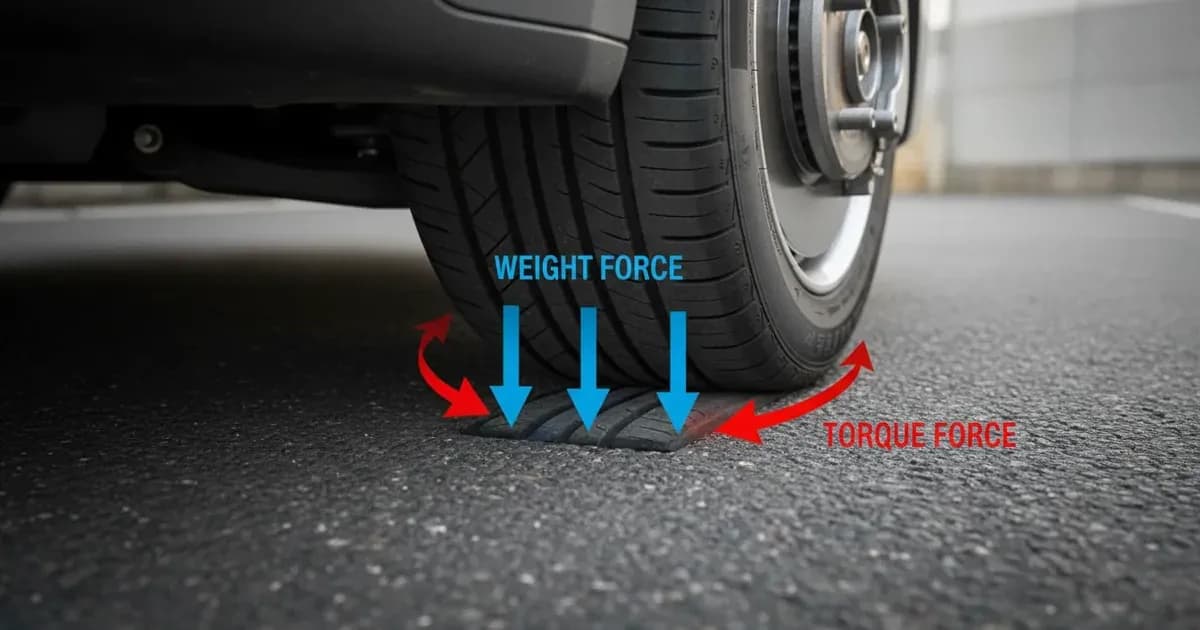
Key Takeaways
- No special tires are required — size and load rating are the only hard rules — but three EV traits reshape what a good tire means.
- Weight loads every contact patch, instant torque scrubs tread at launch, and silence turns tire roar into the loudest thing in the cabin.
- Expect faster wear than a comparable gas car — the trade our maintenance guide flags as "tires are the new oil" — and let rotations and a calm right foot claw much of it back.
- Rolling resistance is a range line-item: replacement tires can quietly cost (or restore) real miles.
The three forces working on an EV's tires
Weight. The battery pack adds hundreds of pounds over a comparable gas car, and every pound rides on four contact patches — accelerating wear and demanding proper load ratings, which is why checking the door-jamb placard matters more here than on the sedan you traded in.
Torque. An electric motor's full twist arrives at zero RPM (the single-gear story our transmission explainer tells). Every brisk launch micro-scrubs the tread in a way a gas car's gradual power delivery doesn't. Multiply by thousands of stoplights and the wear gap becomes visible — and driving-style-dependent, which is the owner's lever.
Silence. No engine masks the road. At highway speed, tire noise is the EV cabin's dominant soundtrack, which is why EV-specific lines ship with foam liners and quiet-tuned tread patterns — a comfort feature that gas-car owners never knew they were missing because combustion drowned it.
Add the efficiency angle — rolling resistance consumes a real share of drive energy, so factory EV tires are chosen partly for range — and you have the honest case for the "EV tire" category: not a requirement, but a bundle of the right trade-offs.
What the wear reality looks like
Factor | Effect | Your lever |
|---|---|---|
Pack weight | Higher baseline wear per mile | Load-correct tires, pressures monthly |
Launch torque | Tread scrub at every eager start | Chill mode exists for a reason |
Regen braking | Gentler than friction on tires overall | Nothing needed — a small mercy |
Rotation discipline | The great equalizer | On schedule, no skipping |
Directional; treadwear varies with model, tire, climate, and right feet.
The summary owners converge on: plan for tires to arrive sooner than gas-car intuition suggests, and treat rotations as non-negotiable — uneven wear on a heavy, torquey car compounds fast.
Replacement-day decision guide
- Match size and load rating — the two non-negotiables, straight from the placard.
- Decide the efficiency stake — if range matters to your use, stay near the factory tire's low-rolling-resistance class; a grippy performance swap is a legitimate choice that visibly costs miles.
- Respect the noise dimension — reviews mentioning quietness deserve extra weight; your cabin will broadcast whatever you choose.
- Price per mile, not per tire — a cheaper tire that wears a third faster on a heavy EV is arithmetic, not savings.
- Skip nothing on alignment — weight punishes misalignment; have it checked with each tire event.
The honest close: "special tires" is marketing shorthand for real physics. Your EV will run fine on any competent tire that fits — it will run quieter, farther, and longer on one chosen for the forces this page describes, and the difference shows up on the two meters an EV owner actually watches: the range display and the tread gauge.
Keep reading: the oil-change question · jump-starting an EV · why EVs cost what they cost.
Frequently asked questions
Do electric cars need special tires?
Need, no — any correctly sized, load-rated tire works. But EVs are heavier, torquier, and quieter than gas cars, which is why EV-specific tires with stiffer construction, low rolling resistance, and foam noise liners exist and often fit the job better.
Why do EV tires wear out faster?
Battery weight adds load on every contact patch and instant torque scrapes tread at every launch. Faster wear is physics, not a defect — moderated heavily by driving style and diligent rotations.
Do EV tires affect range?
Meaningfully — rolling resistance is a real share of energy use, especially at city speeds. Swapping efficient factory tires for grippy or aggressive replacements costs measurable miles.
What should I actually buy when my EV needs tires?
Match the load rating and size, then weigh three trade-offs: efficiency (range), noise (EVs hide no tire roar), and wear. EV-rated lines package those trade-offs sensibly, but well-chosen conventional tires can too.
References
- US DOE AFDC – Maintenance and safety of electric vehicles — accessed 5 August 2026
Related guides
More from going electric in pakistan.