Industrial Solar Battery Peak Shaving and Megaflex Tariff Guide South Africa
Updated 8 September 2026 · By SolarNevs Research Desk, Dealer surveys + verified sources · 3 sources · Method ↗
Key Takeaways
- Eskom's industrial tariff operates under the schedule MEGAFLEX GEN # SCHEDULE OF STANDARD PRICES FOR NON -LOCAL AUTHORITY SUPPLIES – 1 APRIL 2024 TO 31 MARCH 2025.
- The tariff incorporates three time-of-use periods namely peak, standard, and off-peak, reflecting varying system stress across the national grid.
- Active energy charge or energy charge means the charge for each unit of energy consumed, typically charged for as c/kWh.
- Industrial facilities pay dedicated fixed network capacity fees, including a R/kVA/month Transmission network charge (loads) payable each month based on the voltage.
- Facilities face financial penalties when poor power factor causes reactive energy to be supplied in excess of 30% (0,96 power factor or less) of the kWh recorded during peak and standard periods.
The Megaflex Time-of-Use Structure
Industrial manufacturing facilities and commercial complexes supplied directly by Eskom face substantial energy expenditures determined by seasonal Time-of-Use (TOU) schedules. Tariff billing is governed by the official rate schedule titled MEGAFLEX GEN # SCHEDULE OF STANDARD PRICES FOR NON -LOCAL AUTHORITY SUPPLIES – 1 APRIL 2024 TO 31 MARCH 2025.
The core billing mechanism splits daily consumption across three time-of-use periods namely peak, standard, and off-peak:
- Peak Demand Windows: Peak period means the TOU periods of relatively high system demand, where generation costs escalate significantly.
- Standard Demand Windows: Standard period means the TOU periods of relatively mid system demand, representing intermediate daytime production hours.
- Off-Peak Demand Windows: Off-peak period means the TOU periods of relatively low system demand, occurring primarily during night hours and weekend cycles.
Energy consumption during these windows is billed as an active energy charge: active energy charge or energy charge means the charge for each unit of energy consumed , typically charged for as c/kWh. In addition, an ancillary service charge means the charge that recovers the cost of providing ancillary services by the System Operator.
Peak Shaving via Battery Energy Storage Systems (BESS)
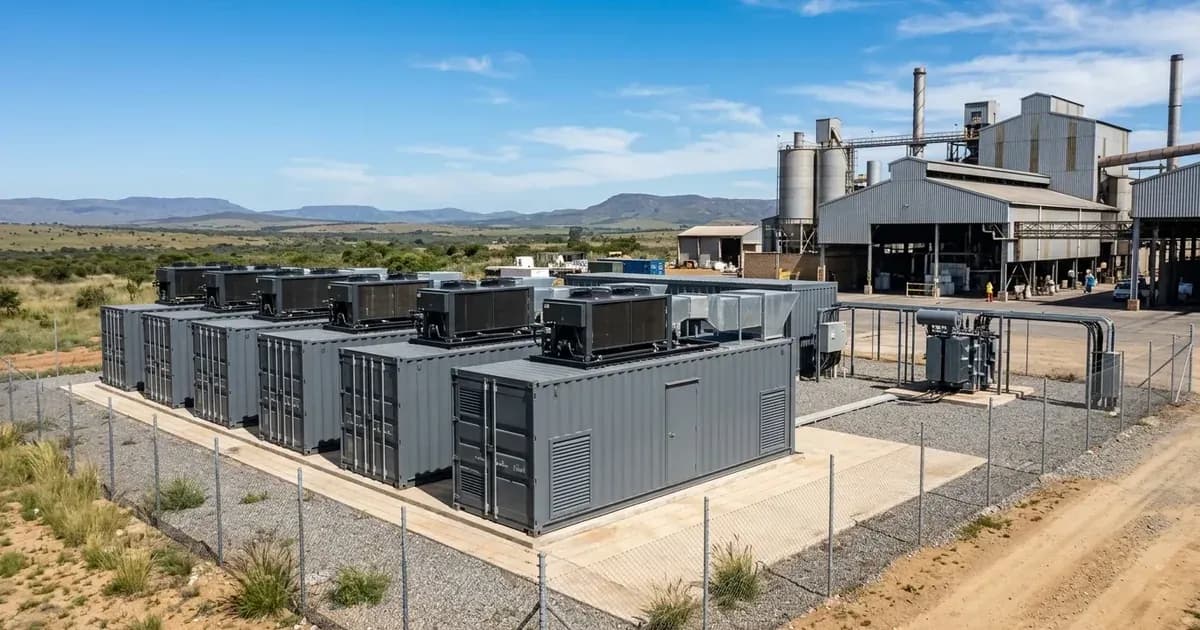
Industrial solar installations paired with battery energy storage systems (BESS) deliver their greatest economic return through peak shaving. By charging batteries using on-site rooftop solar or low-cost off-peak grid electricity, industrial operators discharge stored energy during morning and evening peak windows.
This dispatch strategy caps both volumetric c/kWh charges and monthly maximum demand levies:
- Transmission Load Charges: Industrial consumers are subject to a R/kVA/month Transmission network charge (loads) payable each month based on the voltage.
- Distribution Demand Charges: Eskom levies a R/kVA/month Distribution network demand charge based on the voltage of the supply and the chargeable demand at the POD measured during peak and standard periods.
- Generator Network Capacity: For exporting facilities, Eskom applies the R/kW/month Distribution network capacity charge for generators based on the voltage of the supply and the annual MEC.
Peak shaving flattens the measured kVA demand curve during peak windows, directly lowering these monthly network charges.
Export Contracting & Reactive Energy Control
For large commercial facilities with surplus solar generation, export contracts depend on formally registered connection capacities: maximum export capacity (MEC) means the maximum capacity at the point(s) of supply notified by the customer.
Furthermore, solar inverter control loops must actively manage power factor to prevent utility reactive power surcharges. Megaflex tariff rules enforce strict penalties: a reactive energy charge applies when reactive power is supplied in excess of 30% (0,96 power factor or less) of the kWh recorded during the peak and standard periods. Modern hybrid inverters must dynamically inject capacitive or inductive reactive power to maintain power factor above 0.96.
Frequently asked questions
What time-of-use periods govern the Eskom Megaflex tariff?
The tariff is structured into three time-of-use periods namely peak, standard, and off-peak.
What is the definition of the peak demand period under Megaflex?
Peak period means the TOU periods of relatively high system demand, during which active energy charges are highest.
How is maximum export capacity (MEC) defined for industrial generators?
Maximum export capacity (MEC) means the maximum capacity at the point(s) of supply notified by the customer.
When does Eskom apply reactive energy surcharges on Megaflex accounts?
Reactive energy charges apply when reactive power is supplied in excess of 30% (0,96 power factor or less) of the kWh recorded during peak and standard periods.
References
- Eskom - Megaflex Gen Schedule of Standard Prices — accessed 28 August 2026
- Eskom - Generation Offset Schedule Non-Local Authority — accessed 28 August 2026
- Eskom - Tariffs and Charges Overview — accessed 28 August 2026
Related guides
More from inverter errors & fixes.