South Africa Hoa Solar Installation And Csos Compliance Guide
Updated 16 September 2026 · By SolarNevs Research Desk, Dealer surveys + verified sources · 1 source · Method ↗
Key Takeaways
- All embedded generation systems in South Africa must be registered with the relevant electricity distributor.
- Solar installations are required to comply with NRS 097 standards for grid interconnection.
- A Certificate of Compliance (CoC) is mandatory for all solar installations.
- High-voltage electrical work must be performed by certified, licensed personnel.
Understanding Solar Requirements in South African Residential Estates
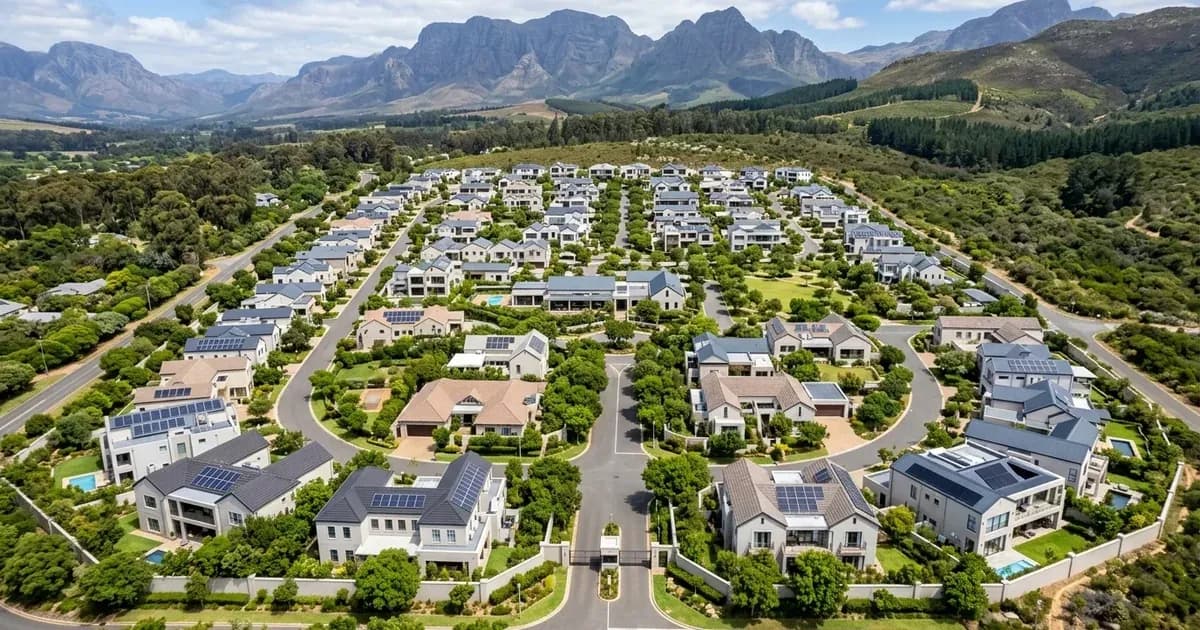
Installing solar power in South Africa, particularly within Homeowners Associations (HOAs), gated estates, or complexes, involves specific regulatory and technical considerations. While the benefits of solar energy are clear, navigating the compliance landscape is essential to ensure a safe, legal, and grid-compatible installation. This guide outlines the fundamental requirements that apply to embedded generation systems in these residential environments.
Compliance Pillar | Governing Authority / Standard | Mandatory Requirement | Core Purpose & Safety Objective |
|---|---|---|---|
Distributor Registration | Eskom / Local Municipality | Official embedded generation registration | Network capacity tracking, safety oversight, and back-feed management |
Grid Interconnection | NRS 097 Series Standards | Technical grid-tied compliance | Anti-islanding protection, power quality, fault disconnection, and metering |
Safety Certification | Electrical Installation Regulations (OHS Act) | Certificate of Compliance (CoC) | Legal verification of wiring safety, code compliance, and insurability |
The primary goal of these regulations is to ensure the safety of residents and grid operators, maintain grid stability, and prevent electrical hazards. Compliance also helps to manage the aesthetic impact of solar installations within communities that often have architectural guidelines.
Mandatory Registration for Embedded Generation
Any system that generates electricity and is connected to the grid, even if it primarily serves a single property, is classified as embedded generation. In South Africa, such systems are subject to mandatory registration.
"Embedded generation must be registered with the relevant distributor."
This requirement applies to all grid-tied solar installations, regardless of their size or whether they are located within an HOA or gated estate. The "relevant distributor" is typically Eskom or your local municipality, depending on who supplies electricity to your property. Registration allows the distributor to:
- Monitor the capacity of embedded generation on their network.
- Ensure that the installation does not negatively impact grid stability or safety.
- Manage potential back-feeding into the grid, which can pose risks to maintenance personnel.
The registration process usually involves submitting technical details of your system, including its capacity, inverter specifications, and protection mechanisms. Failure to register an embedded generation system can lead to penalties, disconnection, or legal action from the distributor.
Compliance with NRS 097 Standards
Beyond registration, the technical specifications of your solar installation must adhere to national standards for grid interconnection. The NRS 097 series of standards are central to this compliance in South Africa.
"Systems must comply with NRS 097 standards for grid interconnection."
NRS 097 specifies the technical requirements for connecting small-scale embedded generation (SSEG) to the electricity distribution network. These standards cover critical aspects such as:
- Protection settings: Ensuring the system safely disconnects from the grid during outages or faults.
- Power quality: Preventing the solar system from introducing harmonics or voltage fluctuations that could affect other consumers.
- Metering requirements: How energy generation and consumption are measured.
- Anti-islanding protection: A safety feature that prevents the solar system from continuing to feed power into a section of the grid that has been disconnected from the main supply, which could endanger utility workers.
Compliance with NRS 097 is not optional; it is a fundamental safety and operational requirement. An accredited installer will ensure that the chosen equipment and its configuration meet these stringent technical specifications.
The Importance of a Certificate of Compliance (CoC)
A Certificate of Compliance (CoC) is a legal document that confirms an electrical installation meets the safety standards set out in the Electrical Installation Regulations of 2009. For solar installations, a CoC is critically important.
"Installations must be certified with a Certificate of Compliance."
The CoC is issued by a qualified and registered electrical contractor after they have inspected and tested the installation. It verifies that:
- All electrical work has been carried out in accordance with the Wiring Code (South African national wiring code standards).
- The installation is safe for use.
- The system's components are correctly installed and configured.
For solar power systems, the CoC specifically covers the electrical aspects of the installation, from the PV panels and wiring to the inverter and its connection to the main distribution board. Without a valid CoC, your solar installation may not be insurable, and you could face legal liabilities in the event of an electrical fault or accident. HOAs and gated estates often require a copy of the CoC as part of their approval process for solar installations.
What you can check yourself, and what you cannot
Homeowners can undertake certain preliminary checks and preparations for a solar installation, but the actual electrical work and system commissioning must be left to qualified professionals.
What you can check yourself:
- Initial site assessment: Observe your roof's orientation, shading patterns throughout the day, and available space.
- Energy consumption analysis: Review your electricity bills to understand your average daily and peak energy usage. This helps in determining the appropriate system size.
- HOA/Estate rules: Obtain and review your HOA or gated estate's specific architectural and aesthetic guidelines for solar panels. While published guidance does not contain these specific rules, it is a crucial step for homeowners.
- Budgeting: Research general costs for solar installations and financing options.
What you cannot do yourself:
- Electrical wiring and connections: High-voltage DC, AC grid interconnection, and switchgear modifications must be performed by certified, licensed personnel. Attempting these tasks without proper qualifications and safety equipment can result in severe injury, electrocution, fire, or damage to your property and the grid.
- System design and sizing: While you can assess your needs, the detailed design, including panel layout, inverter selection, and battery sizing, requires professional expertise to ensure efficiency, safety, and compliance.
- Grid interconnection and registration: The technical aspects of connecting to the grid and completing the necessary registration paperwork with Eskom or your municipality require a qualified installer's involvement to ensure compliance with NRS 097.
- Issuing a Certificate of Compliance (CoC): Only a registered electrical contractor can issue a valid CoC for your solar installation.
Always engage accredited and experienced solar installers who are familiar with South African regulations and standards. They will ensure your system is installed safely, legally, and efficiently.
What the published sources do not tell you
The provided official documentation outlines the fundamental legal and technical requirements for solar installations in South Africa, specifically mentioning registration, NRS 097 compliance, and the need for a Certificate of Compliance. However, it does not provide specific details on several critical aspects relevant to homeowners in HOAs, gated estates, or complexes:
- Specific HOA or Gated Estate Architectural Guidelines: published guidance does not contain any specific rules regarding panel placement, visibility, colour, mounting structures, or aesthetic integration that individual HOAs or gated estates may enforce. These rules vary significantly between communities and must be obtained directly from your specific HOA or estate management.
- CSOS Compliance Details: While the official technical guidance mentions CSOS (Community Schemes Ombud Service) compliance, published guidance does not provide any specific regulations or guidelines from CSOS regarding solar installations, dispute resolution, or approval processes within community schemes.
- Sub-metering and Shared Solar Billing: published guidance does not detail any specific rules, methodologies, or legal frameworks for sub-metering individual units within a complex or for shared solar billing arrangements in gated estates.
- Municipal SSEG Registration Processes: While mandatory registration with the relevant distributor (Eskom or municipality) is stated, published guidance does not provide step-by-step procedures, required documentation, or specific timelines for municipal SSEG registration processes, which can vary between different local authorities.
- Application Forms or Fees: No information is provided regarding the specific application forms, fees, or processing times associated with distributor registration or CoC issuance.
- Penalties for Non-Compliance: published guidance does not detail the specific penalties, fines, or enforcement actions that may be taken for non-compliance with registration, NRS 097, or CoC requirements.
For these specific details, homeowners must consult their individual HOA or estate management, their local municipality, and their chosen accredited solar installer.
Frequently asked questions
What are the primary technical requirements for south africa hoa solar installation and csos compliance guide?
Key requirements include compliance with local grid codes, correct equipment certification, and proper electrical isolation.
Who is authorized to install and inspect south africa hoa solar installation and csos compliance guide?
All high-voltage DC, AC grid tie-in, and switchboard modifications must be performed by a qualified, accredited electrical professional.
How is export power limited in south africa hoa solar installation and csos compliance guide?
Export limiting is achieved using certified bidirectional smart meters or power sensors providing dynamic feedback to the inverter system.
References
- Eskom Distribution: Small-Scale Embedded Generation (SSEG) registration requirements, required documents and FAQ — accessed 15 September 2026
Related guides
More from inverter errors & fixes.