Best Hybrid Solar Inverters Ireland: Brands, Efficiency & Sizing Guide
Updated 18 September 2026 · By SolarNevs Research Desk, Dealer surveys + verified sources · 5 sources · Method ↗
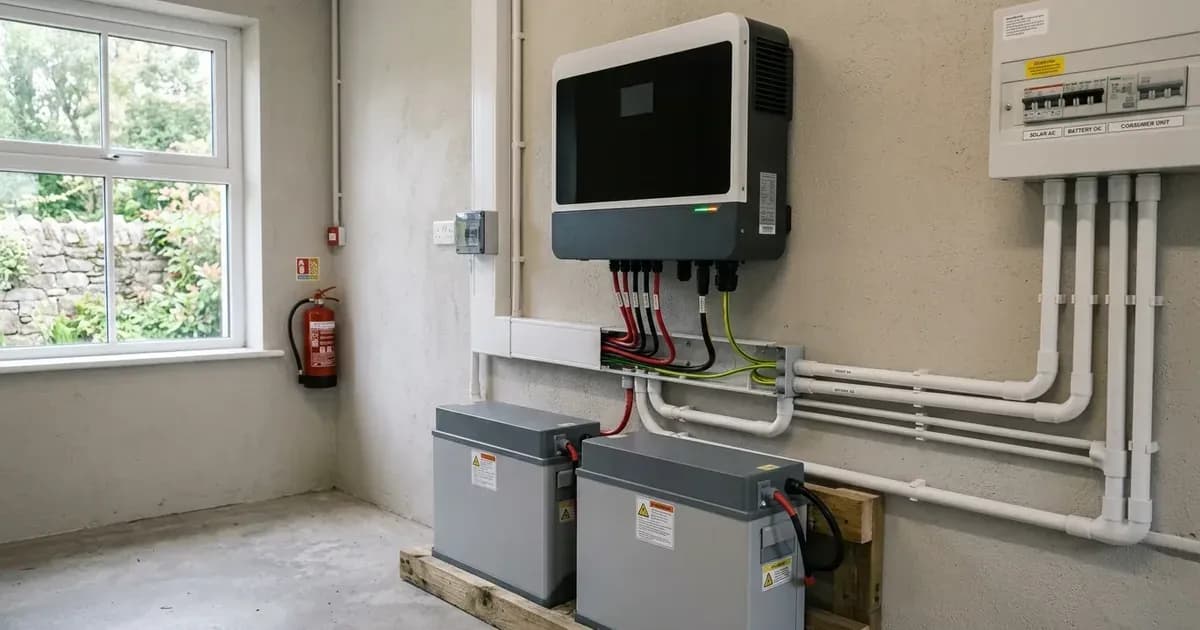
The solar inverter is the computational and electrical brain of any home solar installation. In a modern residential setup, choosing a hybrid inverter—which integrates solar photovoltaic generation and domestic battery storage into a unified control chassis—is standard practice across Ireland. A hybrid unit eliminates the need for separate solar and battery inverters, reducing installation complexity, minimizing equipment footprint, and delivering higher round-trip energy conversion.
However, selecting among top global manufacturers requires evaluating conversion efficiency, grid interface certifications, battery ecosystem flexibility, and national safety compliance under Irish electrical rules.
1. Market Architecture: String, Optimised & Multi-Source Hybrids
The Irish residential inverter market offers distinct hardware architectures tailored to different roof conditions and storage goals:
- SMA German Pedigree: Long regarded as the European engineering benchmark, SMA Solar Technology manufactures the Sunny Boy the classic single-phase string inverter for residential homes available in the small kW sizes that suit most Irish rooftop systems. For larger properties or light commercial supplies, installers deploy the Sunny Tripower the three-phase range for larger homes and commercial installs.
- SolarEdge Optimised Architecture: The single-phase HD-Wave inverter is the core of a solar-only system, available in sizes that cover typical 3–10kW Irish home installs. It works only with SolarEdge power optimisers and delivers up to around 99% optimised efficiency.
- Panel-Level Shading Mitigation: On roofs affected by gables or chimneys, a DC optimiser fits on the back of each panel, tracking that panel individually so shade or mismatch on one module does not drag the array down. They also enable per-panel monitoring and module-level safety shutdown.
- Modular Storage Upgrade Path: Homeowners who prefer staged investments can start solar-only: the Home Hub hybrid inverter adds battery support to the HD-Wave platform, working with the SolarEdge Energy Bank battery. It lets you add storage later without replacing the inverter you already own.
- Hardware Warranty Protection: SolarEdge typically provides a 12-year warranty on the HD-Wave inverter and a 25-year warranty on the power optimisers. That optimiser warranty is one of the longer ones in the market and roughly matches the expected life of the panels themselves.
2. Sunsynk Hybrid Performance & Battery Flexibility
Sunsynk has established strong Irish installer adoption by offering open battery choices and off-grid readiness:
- Broad Capacity Span: Sunsynk hybrid inverters span 3.6kW to 16kW, covering everything from a modest urban roof to a large rural home or small farm with off-grid backup. Here are the configurations most relevant to Irish installs.
- Domestic Sweet Spot: The 5kW unit represents the most popular single-phase size for Irish homes. Pairs a typical 3–5kWp array with an LFP battery and provides backup/UPS switchover. The default starting point for most installers.
- Open Battery Ecosystem: Unlike closed proprietary platforms, Sunsynk inverters are battery-agnostic and work with almost any LFP (Lithium Iron Phosphate) battery. This flexibility lets your installer mix and match battery brands rather than locking you into one closed ecosystem.
- Standard Warranty Coverage: Sunsynk inverters come with a 5-year standard warranty that can be extended. That is in line with brands like Solis, though some rivals offer longer cover as standard. Confirm the exact term and any extension options with your installer.
3. Irish Regulatory Standards & Safety Rules
Under statutory rules administered by the Sustainable Energy Authority of Ireland (SEAI), Safe Electric, and ESB Networks, domestic inverters must satisfy rigorous safety criteria:
- Appliance Efficiency Floor: All installed inverters must comply with I S 10101 have a rated efficiency of 95 percent or higher.
- Anti-Islanding Disconnection: Inverters must comply with EN50549 with Irish Protection Settings to ensure immediate disconnection whenever local utility power is interrupted, safeguarding maintenance crews.
- External AC Isolation Switch: Fire safety standards dictate that an AC isolator 2 pole switching live and neutral must be installed between the inverter and the consumer unit.
- Safe Electric Siting Notice: Safe Electric warns installers against restricted enclosures: when these switches are enclosed in tight spaces or obstructed by clothing, the lack of ventilation can lead to thermal stress, electrical failure, or even ignition. All domestic solar PV installations must be commissioned and certified by a Safe Electric Registered Electrical Contractor (REC).
Frequently asked questions
What are the leading hybrid solar inverter brands in Ireland?
Leading residential brands include SMA, SolarEdge with DC power optimisers, and Sunsynk with flexible low-voltage battery pairing.
How do DC optimiser inverters like SolarEdge perform on shaded Irish roofs?
SolarEdge pairs single-phase HD-Wave inverters with panel-level DC optimisers, delivering up to around 99% optimised efficiency while preventing shaded modules from reducing string output.
Can hybrid inverters export surplus power under the Clean Export Guarantee in Ireland?
Yes. Certified hybrid inverters meeting EN 50549-1 Irish Protection Settings allow homeowners to store solar energy locally and export excess electricity back to ESB Networks for payment.
References
- Solarinfo.ie SMA Solar Inverter Review — accessed 28 August 2026
- Solarinfo.ie SolarEdge Inverter Review — accessed 28 August 2026
- Solarinfo.ie Sunsynk Inverter Review — accessed 28 August 2026
- SEAI Domestic Solar Photovoltaic Code of Practice — accessed 28 August 2026
- Safe Electric Ireland - Solar PV Technical Guidance — accessed 28 August 2026
Related guides
More from what to buy — and how not to get cheated.