Solis Hybrid Inverter Ireland Buying Guide: S6 Models, Sizing & Setup
Updated 18 September 2026 · By SolarNevs Research Desk, Dealer surveys + verified sources · 4 sources · Method ↗
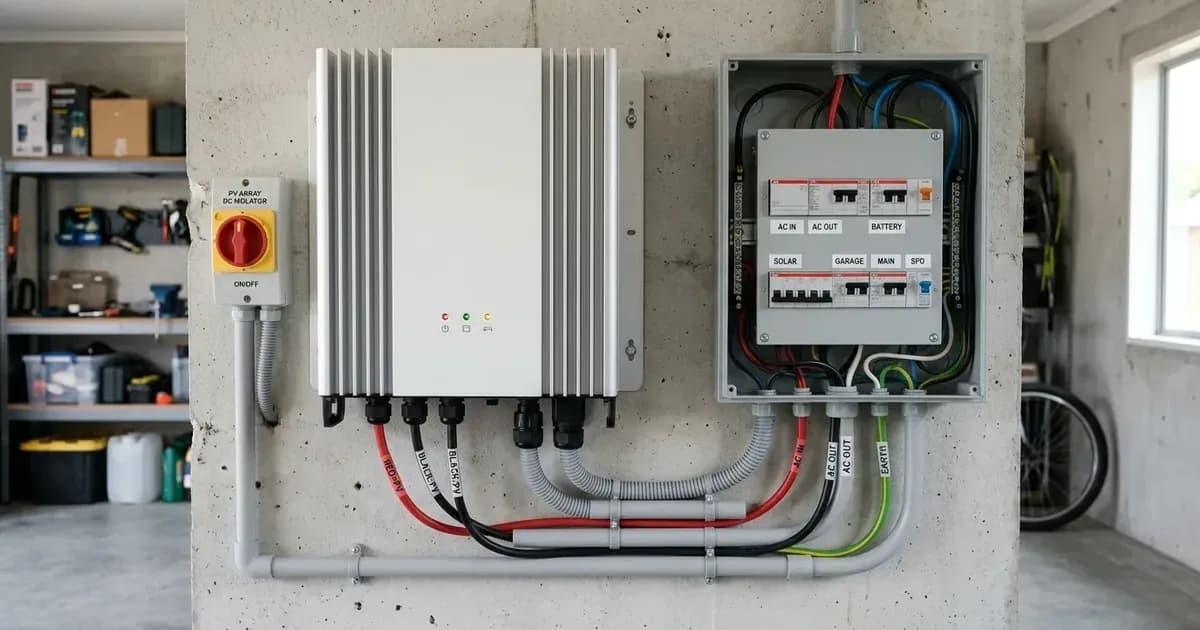
Ginlong Solis is one of the most widely fitted residential inverter brands across Ireland. Known for balancing competitive equipment pricing, extensive distributor availability, and robust reliability, Solis single-phase hybrid inverters have become a standard choice for both newly constructed energy-efficient homes and retrofit solar projects.
For Irish homeowners evaluating inverter options, understanding the technical capabilities of Solis hybrid units, smart meter integration, battery matching rules, and national compliance standards is critical to designing an optimized solar-plus-storage system.
1. Sizing Principles & DC to AC Sizing Ratios
Sizing a Solis hybrid inverter requires balancing peak summer generation against overcast winter performance:
- Controlled Inverter Clipping: Homeowners frequently ask whether an inverter rating lower than their peak panel capacity causes lost energy. In practice, a small, deliberate amount of clipping is normal and economical. It lets you fit more panels (more energy across cloudy days and winter) without paying for inverter headroom you would almost never use.
- Target DC to AC Sizing Ratio: Energy consultants recommend indicative pairings for Irish installs at a DC:AC ratio of around 1.1 to 1.25. Panel counts assume roughly 400 to 440W panels. Final sizing depends on your roof, shading, and grid connection.
- The Cost Penalty of Oversizing: Choosing an excessively large inverter delivers no benefit: fitting a 6 kW inverter to a 4 kWp array wastes money. The extra capacity sits unused because the panels can never feed it. You pay more upfront for headroom that delivers no extra energy. A ratio below about 1.0 is usually a sign of oversizing.
- ESB Networks Output Thresholds: Connection applications under the ESB Networks NC6 microgeneration process depend strictly on AC capability: limits reflect ESB Networks micro-generation rules and are based on inverter output rating, not array kWp. Always confirm the current thresholds with your installer before ordering.
2. Multi-Orientation Tracking & Hybrid Battery Readiness
The hardware architecture of Solis residential inverters accommodates complex roof configurations and staged upgrades:
- Dual MPPT Optimization: For houses with split roof aspects, installers must check MPPT inputs. Two or more lets you run panels on different roof faces (east and west) on separate strings, ensuring balanced generation throughout the Irish day.
- Future-Proof Hybrid Capability: Solis hybrid units are battery-ready from the start. Add storage later without a second inverter. See solar battery storage.
- Storage Capacity Pairing: When planning an energy storage expansion, installers match the inverter battery rating to the storage you might add, typically 5 to 10 kWh for a home.
- Environmental Enclosure Rating: To ensure dependable operation in Irish utility spaces or carports, inverters must have an ingress rating of IP65 or greater.
3. Meter Integration & Clean Export Guarantee (CEG)
Accurate measurement of domestic power flow is essential for self-consumption optimization and export management under the Irish Clean Export Guarantee (CEG):
- RS485 Bus Signal Testing: Solis hybrid systems interface with external bidirectional energy meters located at the main consumer unit. Installers verify communication lines, utilizing a multimeter we will demonstrate how to verify proper rs 485 communication signals to ensure your system operates efficiently.
- Diagnostic Troubleshooting: Clear guidance outlines practical steps for diagnosing and resolving communication problems that may stem from cable issues meter faults or inverter malfunctions.
- Zero-Export Capability: When grid connection agreements require export throttling, the internal export power management controller dynamically curtails inverter output in real time based on smart meter feedback.
4. Irish Regulatory Standards & Safe Electric Compliance
All domestic solar inverter installations in the Republic of Ireland must adhere to strict statutory regulations enforced by the Sustainable Energy Authority of Ireland (SEAI), ESB Networks, and Safe Electric:
- National Wiring Compliance: Power electronics must comply with I S 10101 have a rated efficiency of 95 percent or higher.
- Irish Grid Protection Settings: Inverters must comply with EN50549 with Irish Protection Settings to provide certified automatic anti-islanding disconnection during utility network interruptions.
- Attic Fire Barrier Clearance: Where equipment is mounted in roof spaces, the inverter must be installed on a fire-resistant substrate (Class 0) which extends to a minimum of 150mm beyond the edge of the inverter.
- Double-Pole AC Isolation: Safety rules require that an AC isolator 2 pole switching live and neutral must be installed between the inverter and the consumer unit.
- Safe Electric Siting Notice: Safe Electric emphasizes the severe danger of restricted spaces: when these switches are enclosed in tight spaces or obstructed by clothing, the lack of ventilation can lead to thermal stress, electrical failure, or even ignition. All domestic solar works must be tested and certified by a Safe Electric Registered Electrical Contractor (REC).
Frequently asked questions
How should a Solis hybrid inverter be sized relative to the solar panel array in Ireland?
Installers design Irish residential systems at a DC:AC ratio of around 1.1 to 1.25, allowing controlled clipping on peak summer days to boost overcast winter yields.
What ESB Networks export capacity rules apply to residential Solis inverters?
Statutory micro-generation limits under the NC6 process reflect the inverter rated AC output, not the DC array capacity.
What weather ingress rating must solar inverters meet under SEAI rules?
Under SEAI Domestic Solar PV Code of Practice requirements, all solar inverters installed in Ireland must carry an ingress protection rating of IP65 or greater.
References
- Solar Info Ireland - What Size Solar Inverter Guide — accessed 28 August 2026
- Solis Service Center - Hybrid Inverter Meter Troubleshooting — accessed 28 August 2026
- SEAI Domestic Solar Photovoltaic Code of Practice — accessed 28 August 2026
- Safe Electric Ireland - Solar PV Technical Guidance — accessed 28 August 2026
Related guides
More from what to buy — and how not to get cheated.