Myenergi Zappi Solar EV Charger UK: Technical Review & Charging Modes
Updated 18 September 2026 · By SolarNevs Research Desk, Dealer surveys + verified sources · 1 source · Method ↗
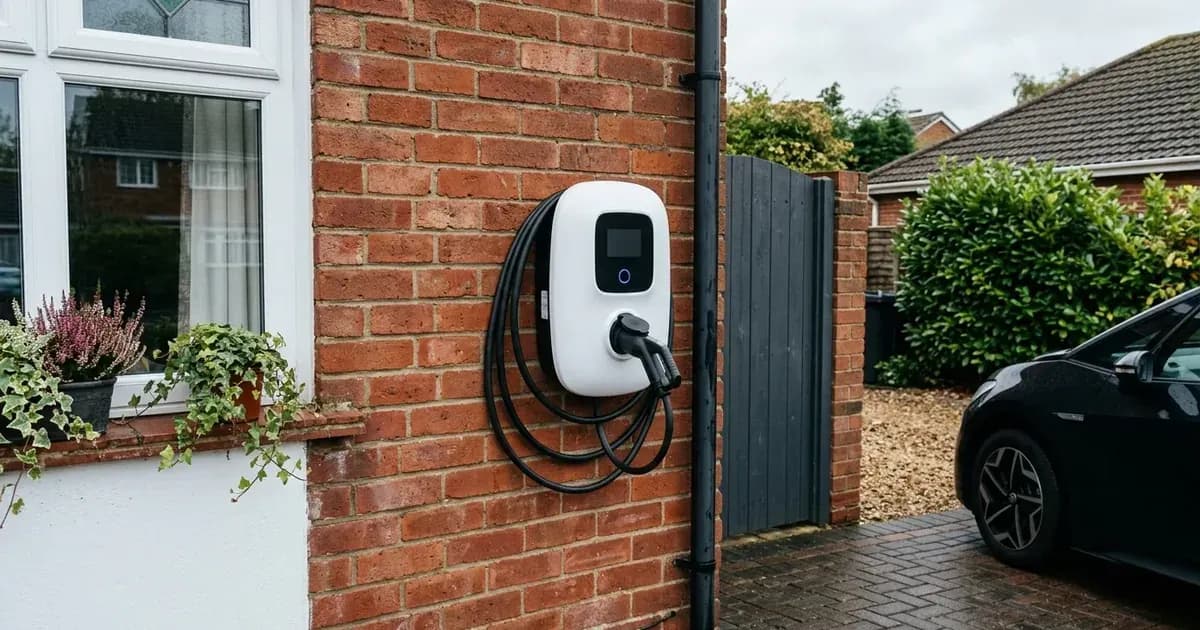
Residential electric vehicle adoption in the United Kingdom has introduced substantial electrical demands into domestic properties. When paired with residential solar photovoltaic systems, electric cars represent massive mobile energy storage units capable of absorbing significant daytime microgeneration.
However, standard unmanaged electric vehicle charging points operate indiscriminately at full capacity, drawing heavy power from the grid regardless of whether rooftop solar arrays are generating electricity. The British-engineered myenergi zappi changes this dynamic by functioning as an eco-smart vehicle charger capable of modulating its output in response to real-time microgeneration and household demand.
<Callout type="info" title="Key Engineering Facts: myenergi zappi">
- Charging Modes: Three EV charging modes comprising Fast, Eco, and Eco+.
- Modulation Floor: If surplus generation drops below 1.4kWh, Eco mode draws power from the grid to top it back up.
- Surplus Protection: In Eco+ mode, charging automatically pauses if imported grid power is detected.
- Grid Compatibility: Operates as a standard Mode 3 charging point when solar generation is absent.
- Tariff Automation: Direct integration compatibility with smart time-of-use tariffs including Intelligent Octopus Go.
- Fiscal Treatment: Qualifies for zero-rated VAT when installed with libbi home battery storage from 1st Feb 2024.
- Origin & Warranty: Designed and manufactured in Britain with a 3-year warranty.
</Callout>
Operating Modes: Fast, Eco, and Eco+ Explained
The defining technical feature of the zappi is its ability to tailor charging behavior to the user's immediate travel requirements and local energy generation. The system provides three EV charging modes:
1. Fast Charging Mode
In fast mode, your vehicle will be charged at maximum power. This power can come from a renewable energy source or simply from the grid. Fast mode functions identically to a conventional high-speed domestic charge point, prioritizing vehicle readiness over self-consumption maximization. If you don’t have solar panels or wind generation, zappi will charge just like an ordinary Mode 3 charging point.
2. Eco Charging Mode
The eco charge mode is a mixture of both green energy and energy imported from the grid. Eco mode continuously tracks real-time generation and household electrical usage. If surplus generation drops below 1.4kWh, some power will be drawn from the grid to top it back up.
This ensures that the vehicle continues to charge without disruption, while still utilizing every available watt of on-site solar generation to displace grid import.
3. Eco+ Charging Mode
Eco+ charging is very similar to eco charging in that it can utilize power from the grid or your own power source. However, Eco+ is designed for pure renewable self-consumption.
Your electric car charging will pause if there is too much-imported power, continuing only when there is surplus free power available. When an intermittent cloud passes or a high-load domestic appliance (such as an electric oven or washing machine) switches on, charging automatically halts to eliminate imported electricity costs, resuming seamlessly as soon as free surplus generation returns.
Solar Generation Matching and The Minimum Threshold
A common question among EV owners is why the zappi establishes a minimum surplus generation threshold. In Eco mode, if surplus generation drops below 1.4kWh, the system draws supplementary grid power to maintain the charging cycle.
This threshold exists because international Mode 3 electric vehicle signalling standards establish a minimum pilot control pilot current for alternating current vehicle charging. A vehicle cannot modulate its onboard charger below this standardized signal baseline. By maintaining the minimum threshold through grid top-up in Eco mode, or pausing the session entirely in Eco+ mode, the zappi prevents onboard vehicle charging faults while maintaining solar alignment.
Time-of-Use Smart Tariffs and Overnight Scheduling
While solar self-consumption provides free daytime driving miles, UK drivers also require reliable vehicle charging during winter months and periods of prolonged overcast weather.
The zappi incorporates intelligent scheduling features designed to integrate with dynamic time-of-use electricity tariffs. Save money by integrating your zappi EV charger with low-cost energy tariffs and set automations to ensure your electric vehicle charges solely during periods when energy prices are at their lowest.
In particular, the zappi features direct software integration with smart EV tariffs. Drivers can learn more about Intelligent Octopus Go, configuring automated overnight charge windows that deliver discounted off-peak electricity directly to the vehicle battery when solar energy is unavailable. This dual approach—free solar charging by day and cheap off-peak charging by night—minimizes the total cost per mile of electric vehicle ownership.
For more details on dynamic export remuneration and tariff options, see our guide on Octopus Energy SEG and export tariffs.
0% VAT Qualification When Paired with Libbi Battery
Purchasers of domestic clean energy equipment in the UK benefit from statutory tax relief under HM Revenue & Customs regulations. Under standard retail purchasing, standalone EV charge points are subject to the standard 20% VAT rate.
However, significant tax savings are available through multi-technology system integration:
Did you know you can get zero-rated VAT on your solar EV charger, when you install it with our intelligent home battery storage system, libbi? As long as it’s installed from 1st Feb 2024.
Under HMRC VAT Notice 708/6, electrical storage batteries and their directly paired balance-of-system hardware qualify for a temporary zero rate of VAT until 31 March 2027. By pairing the zappi with a libbi battery storage unit in a combined supply-and-installation contract, the entire installation benefits from 0% VAT, delivering substantial upfront financial savings. For a detailed breakdown of statutory eligibility, see our comprehensive guide on UK VAT on solar panels and batteries.
Integration with the Wider myenergi Ecosystem
The zappi functions as part of a synchronized home energy microgrid when paired with the myenergi eddi solar power diverter and libbi battery.
Within the myenergi companion smartphone application, homeowners can establish priority hierarchies across devices:
- When solar generation begins, energy can be allocated first to home battery storage.
- Once the domestic battery has reached full capacity or vehicle departure is imminent, surplus shifts automatically to the zappi in Eco+ mode.
- Any remaining solar energy that exceeds the vehicle's charging requirements is captured by the eddi to heat the hot water cylinder.
This automated coordination eliminates energy competition between heating, storage, and mobility systems, preventing inadvertent grid import spikes.
British Engineering Heritage and Manufacturing Scale
The myenergi zappi occupies a unique position in the UK renewable and automotive sectors. Our EV chargers are designed and manufactured right here in Britain.
Operating from manufacturing facilities in Lincolnshire, myenergi has scaled to become a cornerstone of the UK domestic clean-tech sector:
- Consumer Recognition: 200,000 drivers in Britain voted zappi as Home Charger of the Year.
- Industry Honors: Britain’s best-selling, and our very own, eco-smart EV charging station, was awarded Best Home Charger at the Auto Trader New Car Awards in 2023.
- Production Scale: We’ve shipped over 500,000 British-made home technology products worldwide, backed by an established and proven customer and technical support infrastructure that delivers exceptional service swiftly and efficiently.
Warranty, Maintenance, and Technical Support
EV charging stations operate in demanding outdoor environments, exposed to rain, ice, and intense solar radiation. Durability and manufacturer backing are critical considerations for UK homeowners.
The zappi is engineered with robust weatherproof construction and comprehensive manufacturer support. On top of this, our entirely UK-based technical support team on hand to answer any of your questions and queries. You even get a 3-year warranty.
For homeowners investing in rooftop solar and electric mobility, the myenergi zappi provides an intelligent, British-manufactured charging hub that transforms variable solar generation into clean, low-cost domestic transport.
Frequently asked questions
What is the difference between Zappi Eco and Eco+ charging modes?
Eco mode continuously blends self-generated green energy with grid power when surplus drops below 1.4kWh, whereas Eco+ pauses vehicle charging if imported power rises, resuming only when free surplus power is available.
Can the myenergi Zappi charge an electric car without solar panels?
Yes. If you do not have solar panels or wind generation, the zappi operates as an ordinary Mode 3 charging point, providing full-speed charging from the grid.
Does the Zappi EV charger qualify for 0% VAT in the UK?
Yes. The Zappi qualifies for zero-rated VAT when installed alongside an intelligent home battery storage system such as libbi, provided it is installed from 1st Feb 2024.
What warranty is provided with the myenergi Zappi?
The myenergi Zappi is designed and manufactured in Britain and includes a 3-year warranty backed by a UK-based technical support team.
References
- myenergi zappi Product Specifications & Overview — accessed 16 September 2026
Related guides
More from sizing, net billing & installation.