Missouri Ameren And Evergy Solar Interconnection Guide
Updated 17 September 2026 · By SolarNevs Research Desk, Dealer surveys + verified sources · 1 source · Method ↗
Key Takeaways
- Specific interconnection rules for Ameren Missouri and Evergy must be obtained directly from the utility.
- All high-voltage DC, AC grid interconnection, and switchgear modifications require certified, licensed personnel.
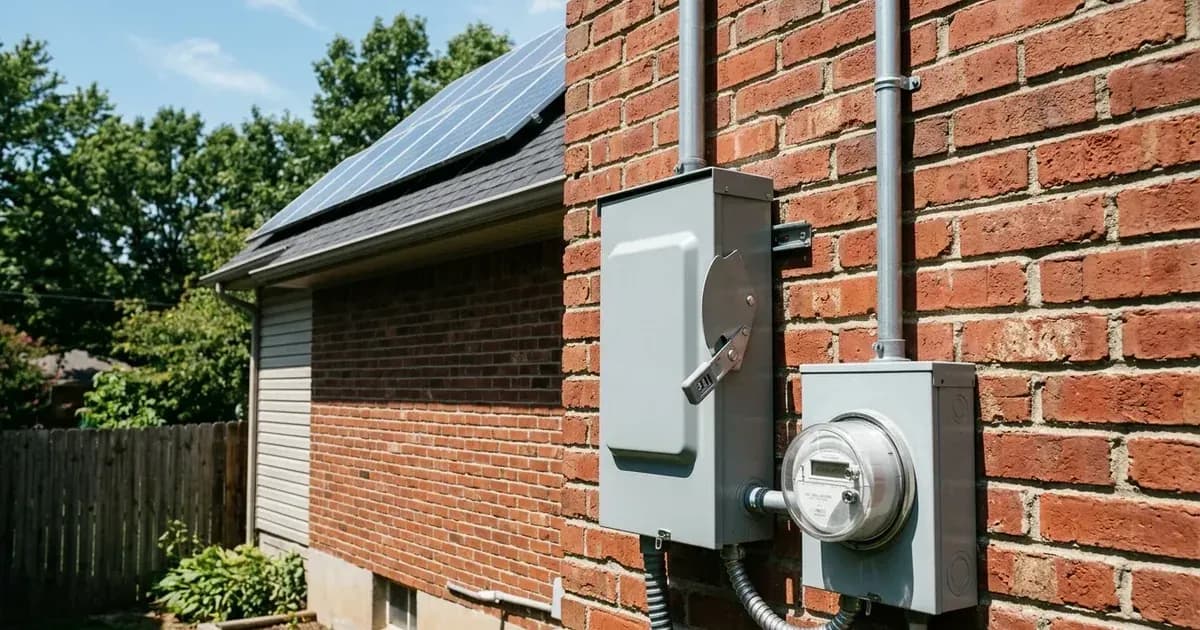
- An accessible, lockable AC disconnect switch is a standard requirement for grid-tied solar systems.
- Federal clean energy tax credits may apply, requiring the property to be placed in service during the tax year.
Understanding Solar Interconnection in Missouri
Interconnection Parameter | Missouri Requirement / Standard | Compliance & Safety Role |
|---|---|---|
Application Track | Simplified / Level 1 process | Streamlined review track for residential solar systems up to 10 kW |
AC Disconnect Switch | Exterior, accessible, lockable switch | Allows utility personnel to isolate solar generation safely during grid events |
Electrical Personnel | Certified, licensed electricians | Mandatory for all high-voltage DC wiring, AC grid tie-in, and switchgear |
Inverter Settings | Grid protection and interconnection parameters | Ensures anti-islanding compliance and adherence to utility interconnection agreements |
Utility Approval | Permission to Operate (PTO) | Formal written authorization required from Ameren Missouri or Evergy prior to energisation |
Federal Clean Energy Credit | IRS Form 5695 rules | Requires certified clean energy equipment placed in service during the tax year |
Connecting a solar energy system to the electrical grid in Missouri, particularly with utilities like Ameren Missouri and Evergy, involves specific procedures to ensure safety, reliability, and compliance. While the general principles of grid interconnection are universal, the exact requirements, application processes, and technical specifications are determined by each utility and local regulations.
A "simplified" interconnection process typically applies to smaller residential solar installations, often those under a certain capacity threshold like 10kW. This streamlined approach aims to make it easier for homeowners to connect their systems. However, even simplified processes have mandatory steps and technical standards that must be met.
The Importance of Specific Utility Requirements
For any solar installation in Missouri, it is crucial to consult directly with your specific utility provider—Ameren Missouri or Evergy—to understand their precise interconnection requirements. These requirements cover aspects such as:
- Application Process: The steps for submitting an interconnection request, including any necessary forms, fees, and documentation.
- Technical Standards: Specifications for equipment, wiring, protection devices, and how the system must interact with the grid.
- AC Disconnect Switch: Detailed rules regarding the type, placement, and accessibility of the AC disconnect switch.
- Metering: Requirements for how your solar generation and consumption will be measured.
- Timelines: Expected durations for application review, approval, and receiving Permission to Operate (PTO).
Failing to follow these specific utility guidelines can lead to delays, additional costs, or even denial of your interconnection application.
General Safety Considerations for Grid Interconnection
Safety is paramount when installing and connecting a solar energy system to the grid. The presence of high-voltage DC from solar panels and AC from the grid necessitates strict adherence to safety protocols.
High-voltage DC, AC grid interconnection, and switchgear modifications must be performed by certified, licensed personnel. This ensures that all work is carried out safely, correctly, and in compliance with electrical codes and utility standards. Attempting such work without proper qualifications can result in severe injury, damage to equipment, or grid instability.
A key safety component for grid-tied solar systems is the AC disconnect switch. This switch allows utility personnel to safely de-energize your solar system from the grid during maintenance or emergencies. It must be externally accessible and lockable, meeting specific utility and local code requirements.
Related Financial Considerations: Clean Energy Tax Credits
While this guide focuses on the technical and procedural aspects of interconnection, it is worth noting that installing a solar energy system may qualify for financial incentives, such as federal clean energy tax credits.
For example, to qualify for certain federal tax credits, the property must be placed in service during the tax year. The credit amount is determined based on the total qualifying expenditure incurred by the taxpayer. Additionally, expenditures for clean energy property must meet specific equipment certification standards.
These tax credit rules are separate from utility interconnection requirements. For detailed information on eligibility and how to claim these credits, consult the official IRS instructions for Form 5695 or a qualified tax professional.
What you can check yourself, and what you cannot
As a homeowner, you can research the general requirements for solar interconnection and gather information about your property's energy usage. You can also review your utility's website for general guidelines or contact them to request their specific interconnection application package.
However, you cannot perform any high-voltage DC, AC grid interconnection, or switchgear modifications yourself unless you are a certified, licensed professional. This work requires specialized knowledge, tools, and adherence to strict safety protocols. Changing inverter settings related to grid protection or interconnection parameters should only be done by an accredited installer, as incorrect settings can breach your connection agreement or compromise grid stability.
Always rely on certified, licensed personnel for the design, installation, and connection of your solar energy system to the grid.
What the published sources do not tell you
Specific details regarding Ameren Missouri and Evergy's Level 1 simplified solar interconnection processes, including exact 10kW residential limits, detailed AC disconnect switch specifications, and precise pre-application and PTO timelines, are not universally published in a consolidated, publicly accessible format. These details often reside within utility-specific handbooks, application forms, or internal guidelines that require direct engagement with the utility.
Furthermore, the specific equipment certification standards required for clean energy property to qualify for tax credits are not detailed in general interconnection guides, nor are the precise definitions of "qualifying expenditure" or "placed in service" as they apply to solar installations. These require consulting IRS documentation or a tax professional.
Frequently asked questions
What are the primary technical requirements for missouri ameren and evergy solar interconnection guide?
Key requirements include compliance with local grid codes, correct equipment certification, and proper electrical isolation.
Who is authorized to install and inspect missouri ameren and evergy solar interconnection guide?
All high-voltage DC, AC grid tie-in, and switchboard modifications must be performed by a qualified, accredited electrical professional.
How is export power limited in missouri ameren and evergy solar interconnection guide?
Export limiting is achieved using certified bidirectional smart meters or power sensors providing dynamic feedback to the inverter system.
References
Related guides
More from schemes, subsidies & financing.