SMA Sunny Tripower Smart Energy Hybrid Inverter Guide
Updated 7 September 2026 · By SolarNevs Research Desk, Dealer surveys + verified sources · 4 sources · Method ↗
Key Takeaways
- The SMA Sunny Tripower Smart Energy is a three-phase hybrid inverter (5.0-10.0kW) with integrated backup power and ShadeFix optimisation.
- All high-voltage DC, AC grid interconnection, and switchgear modifications must be performed by certified, licensed personnel.
- Inverter systems must be mounted on non-combustible vertical surfaces to meet safety standards.
- Grid protection settings must be configured by an installer to match regional distribution codes for Great Britain.
What is the SMA Sunny Tripower Smart Energy Inverter Setup Process?
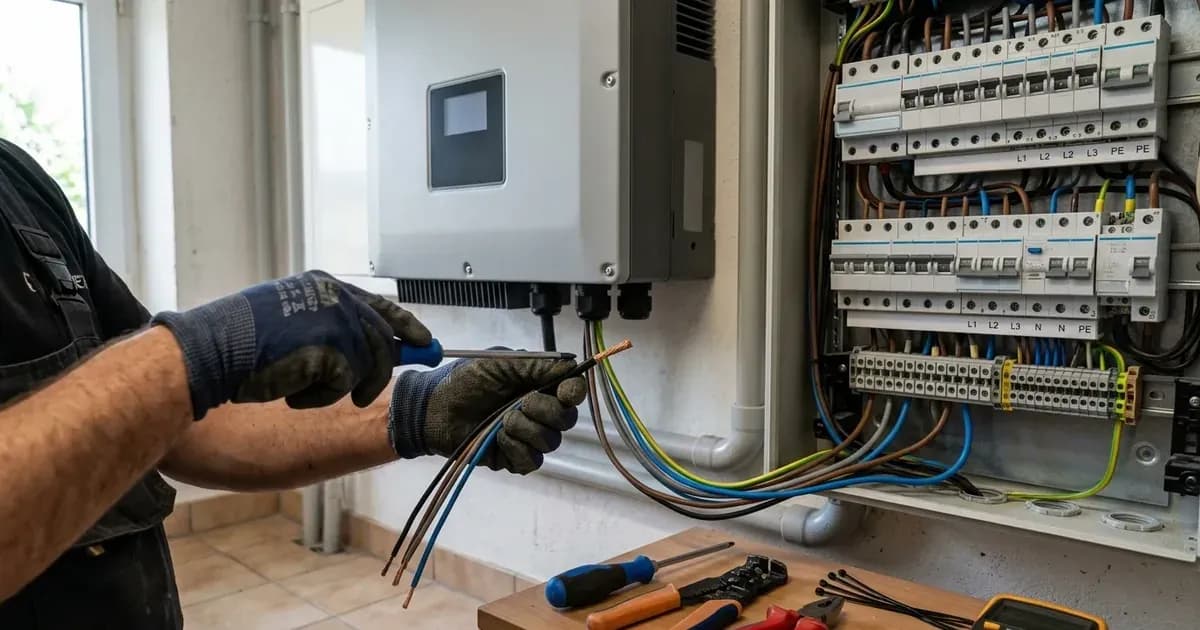
The setup process for an SMA Sunny Tripower Smart Energy three-phase hybrid inverter involves professional installation to ensure safety, compliance, and optimal performance. This inverter series, available in 5.0 to 10.0kW models, integrates solar power generation with battery storage readiness and offers an integrated 30A backup power supply. Due to the high-voltage DC and AC grid connections involved, along with necessary switchgear modifications, only certified, licensed personnel are authorised to carry out the installation.
Understanding the SMA Sunny Tripower Smart Energy System
The SMA Sunny Tripower Smart Energy is a sophisticated hybrid inverter designed for residential and light commercial solar installations in Great Britain. As a three-phase inverter, it distributes power across three electrical phases, common in larger properties, providing balanced load distribution and efficient energy conversion.
A key feature is its hybrid capability, meaning it can manage both solar power generation and battery storage. This allows for greater energy independence, enabling you to store excess solar energy for use during periods of low sunlight or high demand.
The inverter includes an integrated 30A backup power supply. This means that in the event of a grid outage, the inverter can automatically switch over to provide power to designated essential loads, ensuring continuity for critical appliances. This rapid changeover capability helps minimise disruption during power cuts.
Another integrated feature is SMA ShadeFix. This is a proprietary optimisation technology that works at the string level to maximise energy yield from your solar panels, even when some panels are partially shaded. Instead of requiring individual optimisers on each panel, ShadeFix uses intelligent algorithms within the inverter to manage the power output of the entire string, reducing the impact of shading losses.
Key Installation Requirements and Professional Steps
Installing the SMA Sunny Tripower Smart Energy inverter involves several critical steps that must be executed by certified professionals to adhere to safety standards and regulatory requirements in Great Britain.
Professional Installation Steps
Requirement Category | Specific Requirement | What it means for installation |
|---|---|---|
Mounting Surface | "Inverter systems must be mounted on non combustible vertical surfaces." | The chosen location for the inverter must be a solid, fire-resistant wall or structure. This prevents fire hazards in the unlikely event of an electrical fault within the inverter. |
Electrical Connections | "AC and DC electrical connections must follow certified wiring rules." | All wiring, both from the solar panels (DC) and to the property's electrical supply (AC), must comply with national electrical codes and standards. This ensures safe operation, prevents electrical shocks, and reduces fire risks. |
Grid Protection Settings | "Grid protection settings must match regional distribution codes." | The inverter's internal settings, which dictate how it interacts with the electricity grid, must be configured precisely according to the local Distribution Network Operator's (grid operator) requirements. These settings protect both the grid and the inverter from faults. |
High-Voltage Work | High-voltage DC, AC grid interconnection, and switchgear modifications must be performed by certified, licensed personnel. | Connecting the solar array, integrating with the main electrical panel, and modifying existing switchgear are complex and dangerous tasks. Only qualified electricians or solar installers with specific certifications are permitted to perform this work. |
These requirements ensure that the inverter operates safely and reliably within the property's electrical system and in conjunction with the national grid.
What You Can Check Yourself, and What You Cannot
As a homeowner, your role primarily involves monitoring the system's performance and ensuring its physical environment remains suitable. However, direct intervention with the inverter's electrical components or settings is strictly prohibited for safety and warranty reasons.
What You Can Check Yourself:
- Visual Inspection: Regularly check the inverter's exterior for any visible damage, loose cables, or unusual noises. Ensure the area around the inverter is clear of obstructions to allow for proper ventilation.
- Performance Monitoring: Use the SMA monitoring portal or app to track your system's energy production and consumption. This allows you to identify any unexpected drops in performance, which might indicate an issue.
- Environmental Conditions: Ensure the inverter's mounting surface remains non-combustible and that the ambient temperature around the unit is within the manufacturer's specified operating range.
What You Cannot Check or Change Yourself:
- Electrical Connections: Never attempt to open the inverter's casing or tamper with any AC or DC wiring. High voltages are present, posing a severe risk of electric shock or fire.
- Grid Protection Settings: These critical settings are configured by your installer to comply with regional distribution codes. Changing them yourself can lead to grid instability, damage to the inverter, or a breach of your connection agreement.
- Switchgear Modifications: Any changes to your property's main electrical panel or associated switchgear must only be performed by a certified, licensed electrician.
- Internal Components: Opening the inverter for cleaning, repairs, or any other reason is considered authorised-service work. Always isolate PV, battery, and AC breakers, wait the manual's capacitor-discharge time, and then contact a certified technician.
Attempting to perform tasks beyond simple monitoring can void your warranty, create safety hazards, and potentially damage the system. Always contact your certified installer or SMA support for any technical issues or maintenance requirements.
What the Published Sources Do Not Tell You
While the core installation requirements for the SMA Sunny Tripower Smart Energy inverter are clear regarding safety and professional conduct, specific technical details are not publicly available in a general format.
For instance, the exact wiring diagrams, specific torque settings for electrical terminals, detailed commissioning sequences, or the precise values for grid protection settings (beyond the general requirement to match regional distribution codes) are not disclosed in general public documentation. These specifics are typically found in installer manuals, which are restricted to certified professionals due to the complexity and safety implications of the information they contain.
Furthermore, while the inverter's capacity range is stated as 5.0 to 10.0kW, the specific model numbers within this range and their individual performance curves or efficiency ratings are not detailed in the provided general information. Similarly, the exact specifications for the integrated 30A backup power supply, such as its surge capacity or duration limits, are not provided. These details would typically be found in comprehensive product datasheets or technical specifications provided directly by SMA to installers.
The exact mechanisms of SMA ShadeFix optimisation, beyond its function as a string-level yield maximiser, are also proprietary and not detailed in publicly accessible documents. This is common for advanced software features that are integral to a manufacturer's product differentiation.
Still showing the fault? Book a technician
If the steps above did not clear it, tell us the inverter or battery and the exact code. We pass it to a technician who covers your city; visit charges are quoted before they come.
How this pays for the site: the technician or verifier pays SolarNevs a fixed introduction fee. Nobody pays to be recommended, and you are free to use our free guides instead.
Frequently asked questions
What are the primary technical requirements for sma sunny tripower smart energy hybrid inverter guide?
Key requirements include compliance with local grid codes, correct equipment certification, and proper electrical isolation.
Who is authorized to install and inspect sma sunny tripower smart energy hybrid inverter guide?
All high-voltage DC, AC grid tie-in, and switchboard modifications must be performed by a qualified, accredited electrical professional.
How is export power limited in sma sunny tripower smart energy hybrid inverter guide?
Export limiting is achieved using certified bidirectional smart meters or power sensors providing dynamic feedback to the inverter system.
References
- SMA Sunny Tripower 5.0 / 6.0 / 8.0 / 10.0 Smart Energy operating manual (eManual, covers ShadeFix, battery-backup function and country data set) — accessed 6 September 2026
- SMA Sunny Tripower Smart Energy operating manual, Requirements for the Mounting Location (non-flammable support surface, 0 to 45 C ambient) — accessed 6 September 2026
- SMA Sunny Tripower Smart Energy operating manual, Target Group (installation work reserved for qualified persons) — accessed 6 September 2026
- NEPRA (Prosumer) Regulations, 2026, SRO 251(I)/2026 of 9 February 2026 (PDF, Regulation 9 protection requirements and interconnection standards for 3-phase 400V prosumers) — accessed 6 September 2026
Related guides
More from inverter errors & fixes.